Using organic soil amendments, you can turn poor garden soil into a nutrient-rich paradise. What do we mean by “soil amendments”? What are some great soil amendments? Here is a brief overview listing some of the best amendments for your garden!
What nutrients do plants need?
Just like humans, plants need a wide range of nutrients to keep them growing healthy and strong. Essential plant nutrients include:
- Primary nutrients: Nitrogen (N), Phosphorus (P), and Potassium (K). Aside from carbon, hydrogen, and oxygen, these are the nutrients used by plants in the greatest amounts. These nutrients help with major functions of the plant, including foliage, fruit, root, and flower growth, as well as disease protection. Learn more about the importance of N-P-K.
- Secondary nutrients: Magnesium (Mg), Calcium (Ca), and Sulfur (S). These nutrients are needed in lesser amounts but are just as important to the overall health of the plant. Soil amendments may be used purely to boost these elements.
- Micronutrients: Boron (B), Zinc (Zn), Iron (Fe), Manganese (Mn), Chlorine (Cl), Copper (Cu), Molybdenum (Mo), Nickel (Ni), and Cobalt (Co). These are required in much smaller amounts, but most soil amendments contain some level of micronutrients in addition to the main nutrient.
Organic soil amendments
Organic soil amendments are a great natural alternative to chemical fertilizers, but before adding anything to your soil, you should perform a soil test to see what’s already there. After testing, you’ll know exactly which elements you need to add-and that’s where soil amendments come in. Read more about preparing your soil for planting here.
Mineral supplements
Aragonite is a source of calcium that comes from mollusk shells. Since it’s low in magnesium, it’s good to use it if your soil needs calcium but does not need any extra magnesium. Too much magnesium can “tie up” other nutrients, making them unavailable for plants to use. If your pH is low (acidic), aragonite has almost as much sweetening power as limestone.
Azomite is a trademarked acronym for “A to Z Minerals Including Trace Elements.” Mined in Utah, it’s ancient volcanic dust that merged with seawater 30 million years ago. It contains over 60 minerals that are good for plant growth.
Bone Char is burned bone meal that provides a readily accessible source of phosphorus. Calphos Colloidal Phosphate is a good choice if your soil is low in calcium and phosphorus. Dolomitic Limestone will not only raise your soil pH better than pure limestone, but it also provides calcium and magnesium. Granite Meal is a rock powder that provides slow-release potassium and trace minerals without changing the pH of your soil. Greensand (glauconite) is high in potassium and iron with small amounts of magnesium and other trace elements; it’s good for loosening clay soils and improving sandy soil. Gypsum is 23% calcium and 17% sulfur, which means that it can provide a source of calcium without raising pH levels; it helps improve drainage by aerating the soil, neutralizes plant toxins, and removes sodium from the soil. Hi-Cal Lime raises pH and adds calcium at the same time. Sulfate of Potash contains 51% potassium and 18% sulfur along with trace amounts of calcium and magnesium. It is mined in the Great Salt Lake Desert in Utah. Sul-Po-Mag (langbeinite) provides magnesium and potassium but not calcium, and does not raise pH. Zeolites found in volcanic ash can improve water and mineral retention in sandy soils.
Amendment table
| Amendment | Nutrients Provided | Best For | Effect on pH |
|---|---|---|---|
| Aragonite | Calcium | Low-calcium soils without extra magnesium | Slightly raises pH |
| Azomite | 60+ trace minerals | General soil health, micronutrient boost | Neutral |
| Bone Char | Phosphorus | Root and flower development | Neutral |
| Calphos | Calcium, Phosphorus | Low calcium & phosphorus soils | Neutral |
| Dolomitic Limestone | Calcium, Magnesium | Acidic soils needing both nutrients | Raises pH |
| Granite Meal | Potassium, trace minerals | Clay loosening, sandy soil improvement | Neutral |
| Greensand | Potassium, Iron, Mg | Soil structure, long-term K source | Neutral |
| Gypsum | Calcium, Sulfur | Drainage improvement, sodium removal | Neutral |
| Hi-Cal Lime | Calcium | Acidic soils needing Ca only | Raises pH |
| Sulfate of Potash | Potassium, Sulfur | Fruit/flower crops | Neutral |
| Sul-Po-Mag | Potassium, Magnesium, Sulfur | Mg & K boost without extra Ca | Neutral |
| Zeolite | Trace minerals | Water & nutrient retention | Neutral |
Organic nutrient meals
Alfalfa Meal is a source of readily available nitrogen for plant growth and also feeds soil organisms. It contains vitamins, folic acid, and trace minerals. Blood Meal is very high in fast-release nitrogen and can repel deer. Bone Meal provides phosphorus and calcium. Fish Meal is an excellent source of nitrogen and potassium. Kelp Meal is dried, ground-up seaweed that provides trace minerals, amino acids, and enzymes that stimulate plant and root growth and are beneficial to soil life; it can improve soil structure, help your soil hold moisture, and reduce drought effects. Soybean Meal contains high amounts of nitrogen and potassium that are released slowly as it breaks down. Look for organic sources, since most commercially grown soybeans are genetically modified.
Amendment table
| Amendment | Nutrients Provided | Best For | Effect on pH |
|---|---|---|---|
| Alfalfa Meal | Nitrogen, trace minerals, vitamins | Boosting soil life, steady N release | Neutral |
| Blood Meal | High Nitrogen | Rapid green growth, deer repellent | Slightly acidifying |
| Bone Meal | Phosphorus, Calcium | Strong roots, flowering plants | Neutral |
| Fish Meal | Nitrogen, Potassium | Soil health, leafy and fruiting crops | Neutral |
| Kelp Meal | Trace minerals, amino acids | Root growth, stress resistance | Neutral |
| Soybean Meal | Nitrogen, Potassium | Slow-release nutrients, organic gardens | Neutral |
How to add soil amendments and how much to use
Get a soil test (free or low-cost options available) to guide your amendments. Too much of a good thing is worse than not enough, so don’t overdo it. The idea is to feed the soil, not the plants. Remember: healthy soil makes for healthy plants!
Frequently asked questions
- What are soil amendments? Soil amendments are natural or synthetic materials added to the soil to improve its structure, fertility, and overall health. They help balance nutrients, improve drainage, retain moisture, and support strong plant growth.
- Difference between amendments and fertilizers? Fertilizers feed the plant directly by providing nutrients, while soil amendments improve the condition of the soil itself. Many organic amendments release nutrients gradually, feeding both soil and plants over time.
- How to know which amendments to use? Perform a soil test; it tells you which nutrients are lacking and whether soil is too acidic or alkaline. Then choose amendments accordingly.
- Are organic amendments better than chemical fertilizers? Organic amendments improve long-term soil health by feeding microbes and building structure. Chemical fertilizers may provide a quick boost but don’t improve soil structure or microbial life.
- Can you over-fertilize with natural fertilizers? Yes. Too much manure or compost can spike phosphorus and salts, damaging seedlings and causing runoff. Follow soil test recommendations.
- Which amendments are best for sandy or clay soils? For sandy soils, compost, greensand, and zeolite help retain water; for clay soils, gypsum, compost, and granite meal improve aeration and drainage.
- How often should amendments be added? Most gardeners amend once or twice per year, typically in spring and fall, depending on soil test results and crops.
- Are amendments safe for organic gardening? Yes, many like bone meal, blood meal, kelp meal, and compost are approved for organic gardening. Always check the label for organic standards.
Seasonal plan and practical tips
February: get your soil test results back. Order amendments you will need. March: turn finished compost into beds (1 to 2 inches). Apply lime or sulfur if pH is off. April: sow cover-crop edges (clover, buckwheat). Plant first peas with rock phosphate. May: side-dress tomatoes, peppers, squash with compost + handful of fish meal at planting. June to July: mid-season liquid feed (fish emulsion or compost tea) every 2 to 3 weeks for heavy feeders. August: final liquid feed for fall crops. Stop nitrogen by month end. September: sow winter cover crops (rye, vetch, clover). October to November: apply leaf mulch 4 inches deep over all beds.
Finished compost is the single highest-impact natural fertilizer for a home vegetable garden, providing slow-release NPK, micronutrients, soil structure, and feeding the microbial community that makes other nutrients available.
Can you over-fertilize with natural fertilizers? Yes; excessive manure or compost can spike phosphorus and salts, so moderation and soil testing are essential.
Additional notes and context
Organic matter (OM) is a key target: aim for 4 to 6 percent OM; below 3 percent, prioritize compost. Natural fertilizers, unlike synthetic ones, come from natural materials and improve overall soil health, microbial diversity, and resilience. Encouraging microbial diversity through natural fertilizers can enhance nutrient cycling, soil structure, and disease resilience. Sourcing and packaging sustainability matter: choose biodegradable or recyclable packaging and source locally when possible to reduce environmental impact.
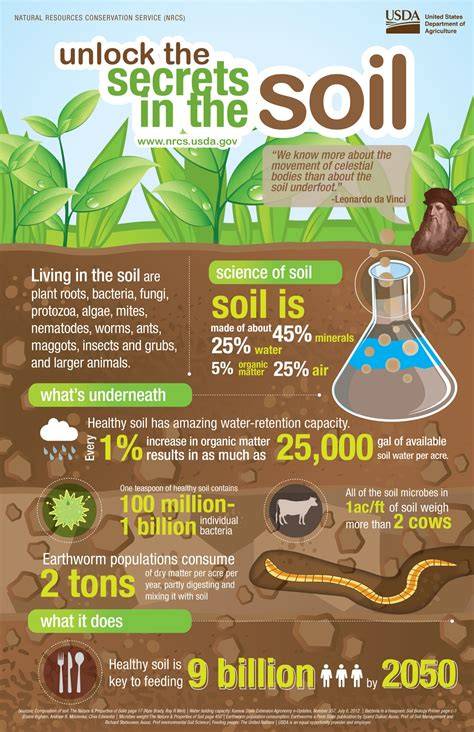
Soil Amending Simplified
Practical scheduling and quick-start tips
Organic soil amendments are best added after a soil test; follow recommendations and avoid over-application. For sandy soils, rely on compost, greensand, and zeolite to improve water and nutrient retention. For clay soils, gypsum or granite meal help with drainage and aeration. For pH management, Hi-Cal Lime is used to raise pH, while elemental sulfur is used to lower pH if soils are too alkaline.
Compost reigns supreme among natural fertilizers due to its comprehensive benefits: slow-release nutrients, soil structure, and microbial life support. Grass clippings and shredded leaves are free sources of nitrogen and potassium when used as mulch. Cover crops like clover or ryegrass add organic matter, fix nitrogen, and suppress weeds during off-season periods.