If you want to elevate the beauty of your Wisconsin garden and landscape, you must incorporate native plants! Not only do they add a lovely touch to your outdoor space, but they also play an essential role in supporting the local ecosystem and are easier to maintain than non-natives. So let’s love our Wisconsin native plants and watch our gardens thrive!
Overview: why native Wisconsin perennials matter
There has been an ongoing and incredible loss of animal life worldwide over the past 150 years. This is a tragedy that has affected almost every major group of organisms, including the many native bees, butterflies, birds, and other beneficial creatures that allow our natural world to function. By contrast, native plants are adapted to provide food and shelter for many bees, butterflies, birds, and other pollinators. With generally deep root systems, these species also sequester more carbon, cycle more nutrients into the soil, and provide more erosion control than turf grass and other ornamentals. Simply by adding a native garden bed or including some natives in your other landscapes you can directly help to reduce atmospheric CO2, create fertile soil, and reestablish a healthy environment.
Here is a starter list for Wisconsin gardens, organized by sun exposure for convenience. Any one of these species would be a great choice for your garden, as they will support many native pollinators and other insects.
Native Plants for Full Sun
- Prairie Smoke (Geum triflorum) - Prairie Smoke is a unique and stunning plant that grows to about 6 inches off the ground. In spring, slender stems top clusters of nodding flowers that transform into feathery seed heads, waving in the wind like smoke. Seed heads remain attractive into fall.
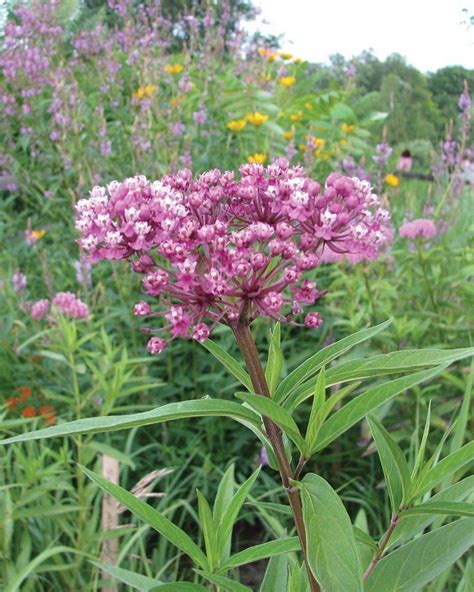
- Swamp Milkweed (Asclepias incarnata) - Swamp Milkweed prefers moist to wet areas and bears ruby flowers on sturdy stalks. It is a host plant for several insects and a boon for pollinators.
- Black-Eyed Susan (Rudbeckia hirta) - Yellow showy flowers attract bees and other insects in early summer and provide seeds for birds in winter. It is adaptable to varying moisture and soil types.
- Downy Phlox (Phlox pilosa) - Clusters of fragrant pink to fuchsia flowers bloom in late spring to early summer, attracting a variety of pollinators.
- Pale Purple Coneflower (Echinacea pallida) - Tall stems crowned with pale pink to purple blooms attract pollinators and hummingbirds; easy to care for and meadow-friendly.
- Butterfly Milkweed (Asclepias tuberosa) - Known for its bright orange, flat-topped clusters; drought-tolerant once established and a critical host plant for monarchs.
- Lanceleaf Coreopsis (Coreopsis lanceolata) - Butter-yellow blooms from late spring through mid-summer; highly attractive to bees and butterflies and thrives in rocky, dry areas.
- Sand Coreopsis (Coreopsis lanceolata) - Similar to Lanceleaf Coreopsis; prefers full sun and well-drained soils; bright golden flowers draw pollinators.
- Goldenrodded (Solidago rigida) - Stiff goldenrod with late-summer to fall yellow flowers, ideal for pollinators in later seasons.
Native Plants for Part Shade
- Eastern Columbine (Aquilegia canadensis) - Red and yellow blooms hang from delicate branches and attract hummingbirds; thrives in shade and sun with modest moisture needs.
- Showy Tick Trefoil (Desmodium canadense) - A pea-family perennial with hundreds of rose-colored blooms that attract bees and hummingbirds; can spread with vigor in suitable soils.
- Heart Leaved Aster (Symphyotrichum cordifolium) - Blue-white late-summer blooms provide seasonal interest and support pollinators in shade.
- Sweet Joe Pye Weed (Eutrochium purpureum) - Tall perennial with pink bloom clusters that attract butterflies; ideal for cottage gardens and borders in semi-shade to full sun.
- Elm-Leaved Goldenrod (Solidago ulmifolia) - Adapts to shade gardens with mesic soil and blooms late in the season, offering nectar to pollinators.
- New England Aster (Aster novae-angliae) - Tall, erect perennial with late-season blooms that attract butterflies and birds to seed heads.
Native Plants for Full Shade
- Maidenhair Fern (Adiantum pedatum) - A showy, low-growing fern with shiny dark stems and bright green, feathery fronds; forms expansive colonies in well-drained, rich soils with partial shade.
- Goat's Rue (Galega, as a representative example) - A distinctive pea-family plant suited for moist to wet soils in shade; attracts pollinators and adds texture to woodland borders.
- Sensitive Fern - Thrives in wet and humid environments; large textured leaves create drama in shade gardens.
Other notable Wisconsin natives and tips for their use
Many more perennials feed pollinators, provide structure, and offer year-round interest. For example, Purple Coneflower (Echinacea purpurea) is a versatile performer, easy to grow, and attractive to butterflies and hummingbirds. Gray Dogwood (Cornus racemosa) provides white spring flowers and fall berries, supporting birds and pollinators. Nannyberry (Viburnum lentago) tolerates a range of moisture and can function as a small tree or shrub, ideal for rain gardens or borders. Sand Coreopsis and Prairie Phlox pair well in meadows and native borders, while Showy Tick Trefoil adds bloom mass and habitat value. New England Aster and the various goldenrods extend nectar flows into late summer and fall, supporting late-season pollinators.
To maximize success, consider soil type, drainage, and sun exposure when selecting natives. Regular irrigation in the establishing year helps, but once established, many Wisconsin natives prove drought-tolerant and resilient. For larger plantings, grouping similar light-loving species improves aesthetics and pollinator support; for borders, mix tall and short species for layered interest.
Practical planting and garden design ideas
Plant selection is one of the most important decisions a gardener, landscaper or designer makes. Groundcovers provide low-growing options for shade and tough areas, while peonies offer fragrant, long-lasting blossoms in borders. A well-planned prairie plot or meadow-style planting can deliver a diverse bloom sequence from spring through fall, attracting a wide array of bees, butterflies, and birds. Monarch-friendly goals can be supported by including multiple native milkweed species and other nectar sources throughout the season.
What you can do today
If you live in Wisconsin, consider exploring native perennials from growers and nurseries that specialize in Great Lakes region natives. Many gardens are designed to bloom from early spring to early fall, beautifying landscapes while supporting the environment. For inspiration and plant selections, browse Wisconsin native plant guides and talk to local horticulturists about climate-specific recommendations.
Notes on care and maintenance
Native perennials are typically low maintenance once established. They tend to be drought-tolerant, pest-resistant, and adapted to local soils. If any plant appears to struggle, evaluate drainage, soil pH, and sun exposure, then adjust planting locations accordingly. As with any garden plan, regular monitoring helps ensure thriving biodiversity and year-round interest.
Ecological Landscaping-Ideas for ALL homeowners!#pollinatorgarden #dougtallamy
Below is a compact snapshot of several featured plants, including their common names, scientific names, and key habitat notes:
| Common Name | Scientific Name | Sun | Moisture | Key Value |
|---|---|---|---|---|
| Prairie Smoke | Geum triflorum | Full sun | Dry to average | Showy seed heads |
| Swamp Milkweed | Asclepias incarnata | Full sun | Moist | Monarch host |
| Black-Eyed Susan | Rudbeckia hirta | Full sun | Average | Pollinator magnet |
| Eastern Columbine | Aquilegia canadensis | Partial to full shade | Average | Hummingbird attractor |
| New England Aster | Aster novae-angliae | Full sun | Moist to average | Late-season nectar |
In addition to these, Monarch-friendly plantings and a mix of meadow grasses can enhance habitat value and aesthetic appeal. Queen Anne’s Lace is mentioned as an introduced plant in some contexts, but native milkweeds and other Wisconsin natives remain central to a pollinator-forward landscape.