Discover how proper pond aeration services in Tampa can significantly improve water quality in stormwater ponds. This guide highlights the benefits of aeration for system health, compliance, and property aesthetics. Maintaining ponds and stormwater systems is essential for keeping Tampa's commercial properties, residential communities, and facilities functioning at their best. For property managers, facility managers, and HOA community managers responsible for ponds, or stormwater Best Management Practices (BMPs), one key to pond health is aeration. Proper pond aeration, combined with routine maintenance, significantly improves the water quality of stormwater ponds, enhances system health, and supports property aesthetics, all while ensuring compliance with municipal regulations.
Understanding the Role of Aeration in Stormwater Ponds
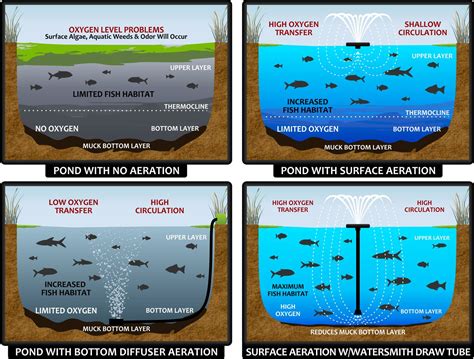
Pond aeration is the process of circulating water and adding oxygen to water, which helps maintain a balanced ecosystem within stormwater ponds. There are two primary types of aeration:
- Surface aeration: Fountains that splash water, adding oxygen and improving circulation, primarily at the top of the pond
- Subsurface aeration: Diffused aeration systems that circulate water and release oxygen from the bottom up, ensuring even distribution throughout the system
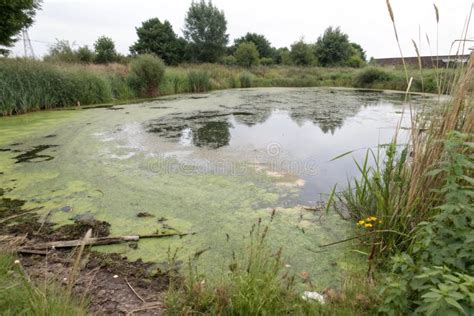
In Tampa's warm climate, where rainstorms are frequent and temperatures high, stagnant water and low oxygen levels can lead to poor water quality. Without proper aeration, stormwater ponds become breeding grounds for algae, foul odors, and harmful bacteria, jeopardizing both aesthetics and the pond’s ability to manage stormwater effectively. Lack of proper aeration can also lead to fish kills, especially in Tampa’s warmer weather. This makes pond aeration in Tampa crucial to sustaining water quality.
Improves Oxygen Levels: Aeration increases oxygen levels throughout the pond, creating an environment where beneficial aerobic bacteria can thrive. These bacteria help break down organic matter like leaves, grass clippings, and other debris that can build up and degrade water quality over time.
Reduces Algae Growth: Excessive nutrients from runoff often lead to algae blooms. With proper aeration, oxygen is circulated throughout the water, disrupting the algae’s ability to dominate the ecosystem. Clear, algae-free water is a sign of a healthy stormwater pond.
Balances Nutrient Levels: Aeration distributes nutrients evenly in the pond, preventing pockets of stagnant water where organic matter can accumulate and create harmful conditions. This keeps the water balanced and reduces the buildup of sludge at the bottom of the pond. Stagnant water also attracts mosquitos.
Reduces The Risk of Fish Kills: Warm temperatures result in warmer water which can cause the pond to become stratified or layered. Warmer water stays at the top of the pond, and the warm layer contains more oxygen. This can result in fish struggling at the warm surface level to find enough dissolved oxygen to survive. Subsurface aeration circulates the water from the bottom up to reduce stratification and increases the water’s oxygen supply.
By enhancing stormwater pond water quality with a properly functioning aeration system, property and facility managers can ensure that their ponds serve their intended function: efficiently managing stormwater runoff while enhancing the aesthetics of the landscape.
Routine Pond Maintenance: The Key to Long-Term Water Quality
While aeration is a vital component of maintaining pond health, routine maintenance is equally critical to ensuring long-term water quality. Here’s what effective stormwater pond maintenance looks like:
- Regular Inspections: Inspections allow you to identify and address any issues with your pond or aeration system early. Signs of erosion, debris buildup, or clogged equipment can be handled before they become major problems that affect water quality
- Debris and Sediment Removal: Organic debris such as leaves and grass clippings, as well as sediment that accumulates over time, should be regularly removed from the pond. This prevents them from depleting oxygen levels and ensures the aeration system can work efficiently
- Maintaining Aeration Equipment: Fountains, diffusers, and other equipment should be inspected and cleaned to prevent malfunctions that could compromise water quality
- Vegetation Management: Overgrown vegetation around and in the pond can block the aeration system’s effectiveness
Proper pond aeration doesn’t just improve water quality-it also contributes significantly to the overall aesthetic appeal of commercial properties and residential communities. Clean, clear water enhances the look of common areas, reflecting well on property managers and HOA boards alike.
Improved Pond Appearance: Algae-free, well-circulated water makes ponds an attractive focal point for properties. Whether near office buildings, residential communities, or public spaces, a well-maintained pond enhances the landscape.
Odor Control & Mosquito Control: Stagnant, oxygen-depleted water often leads to foul odors and breeding grounds for mosquitos. Aeration prevents these conditions, ensuring that residents and visitors can enjoy the outdoor environment without unpleasant smells and pesky mosquitos.
Positive Perception: Maintaining a stormwater pond that is both functional and beautiful enhances the reputation of property managers and HOAs, ensuring that residents and tenants are satisfied with their surroundings.
Compliance with Municipal Stormwater Regulations
Tampa’s stormwater management standards require that property owners maintain effective systems to control water runoff. Proper aeration, along with routine pond maintenance, ensures that stormwater ponds remain compliant with regulations.
Preventing Fines and Penalties: By keeping your pond’s water quality high through aeration and maintenance, you reduce the risk of violations that could lead to expensive fines. Commercial pond aeration services help property managers stay on top of these requirements.
Compliance not only saves money but also protects your property from the environmental damage caused by poor stormwater management.
Long-Term System Health and Investment Protection
In addition to maintaining water quality and aesthetics, proper aeration and regular maintenance help prolong the life of stormwater systems, protecting the financial investment in your property’s infrastructure.
Prolonging Infrastructure Lifespan: Aeration helps prevent the buildup of sediment that can cause wear and tear on stormwater pipes and drains. Combining proper pond aeration with routine maintenance is key to improving water quality, enhancing the appearance of your property, and staying compliant with Tampa’s stormwater regulations. Investing in these practices ensures the long-term health of your stormwater system and protects the aesthetic and financial value of your property.
If you’re responsible for stormwater pond management and want to improve water quality while maintaining compliance, consider reaching out to a professional service provider like Dragonfly Pond Works for expert commercial pond aeration services in Tampa. Don’t wait-schedule an assessment today to protect your property’s stormwater system for the future!
Stormwater Pond Aeration, Routine Maintenance, Compliance Repairs, & More
Learn more about our comprehensive stormwater solutions for Tampa and Hillsborough County stormwater system health, compliance, and improved aesthetics. Our stormwater corrective repair and reconstruction capabilities are available across all of our markets. Aeration infuses oxygen into the pond. Adding pond water aeration is not only beneficial for your fish, who need oxygen to survive, but will also improve your pond's ecosystem.
There are basically two types of aeration: surface aeration and bottom diffusion aeration. Surface aeration is primarily used in shallower ponds, or in areas of a larger pond shallow enough that a thermocline is less likely, which is typically between 6 to 10 feet deep. Bottom diffusion aeration systems are typically used in deeper ponds, where a thermocline will set up, usually deeper than 6 to 10 feet. They are used to bring the low oxygen bearing water to the surface so it can absorb oxygen from the atmosphere. In terms of energy efficiency, bottom diffusion aeration systems will give you more bang for the buck, i.e. move more water for less dollars per hour operating expense.
Floating fountains and subsurface aeration systems may be used independently or together. Floating fountains primarily oxygenate surface water while providing aesthetic value. Selecting the right system depends on pond depth, size, nutrient levels, and management goals. Leasing options allow clients to experience the benefits of aeration without large upfront costs, while purchase options provide permanent solutions for ongoing pond health.
Our team evaluates each pond to recommend the most effective system and configuration. Aeration is more than just moving water. It’s a science-backed solution that improves oxygen levels, supports biological balance, reduces nutrients that fuel algae growth, and protects fish populations. When properly designed and professionally installed, aeration systems are one of the most effective tools for long-term pond management.
Jones Lake Management combines scientific expertise with customized aeration solutions to help ponds function as healthy, resilient ecosystems year-round. Since 1949, Jones Lake Management has been a trusted leader in lake and pond management, delivering scientifically backed solutions to create and maintain healthy, balanced, and beautiful waterbodies. Our expert team offers a full range of services, including fish stocking, fisheries management, water quality monitoring, algae and aquatic weed control, aeration solutions, erosion control, invasive species management, hydraulic dredging, and more. Whether you manage a private lake, an HOA stormwater pond, a golf course water feature, or a municipal waterway, we provide customized solutions to ensure your waterbody remains healthy, functional, and thriving.
Discover our trusted lake and pond management partners nationwide-bringing expertise and care to communities across the country. From Aqua Services and Pond Lake Management in the Southeast, to Water and Wetland in New England, Savin Lake Services in Michigan, Wisconsin Lake and Pond Resource in Wisconsin, Aquatics Associates in Colorado, and Clear Water, Johnson Lake Management and Aquatic Features in Texas, each partner delivers premier service tailored to their region.
Pond aeration can provide many benefits to your fishing pond and help fight several common pond problems that you may encounter. While it is not a magic bullet, it can be an integral piece in your pond management plan. When thinking about the reasons for aeration, the primary reason is to increase the amount of oxygen in your pond. This diurnal oxygen cycle is reliant upon photosynthesis to provide oxygen during sunlight hours. After dark, no oxygen is being created but all things aerobic are still respiring. Fish kills can occur when all the oxygen is depleted before the day breaks. Ponds like this are on a knife’s edge only requiring something as simple as a cloudy day or an algae die-off to crash the oxygen and kill fish.
There are differing types of aerators: paddlewheel, air diffusers, fountains, surface pumps, and more. These all work to churn the water and create more surface area for water and re-oxygenate the water. When using aeration in the summer, you can set the pump on a timer to kick on at dark and turn off at day break. This provides the oxygen when it’s most needed, a critical stop-gap in the oxygen cycle. Aeration does more than just prevent fish kills; it can help the overall health of your pond and fish.
Just like an aerobic septic system provides oxygen for beneficial bacteria to process organic matter, pond aeration does the same which helps reduce a build-up of muck and organic matter at the substrate level. It also improves water circulation and reduces stagnation. If you have a deep pond that is prone to stratifying in the summer, a properly sized and placed diffuser system can mix the water and eliminate the anoxic layer. Removing this layer of anoxic water allows fish to utilize the whole pond, and eliminates fall turnover, another time when fish kills can occur.
For the past year, you’ve planned construction of your new pond, and now it is complete. The dirt guys did what they do, you’ve created the perfect environment of habitat for your precious fish to reach your goals. With a couple of prayers and a timely rain dance, it’s filling with water. Now you begin to think about aeration. Do I need to aerate? What type of aeration do I need? Go to the hardware store, buy a pump and shoot water straight up? Is it as simple as putting some air bubbles in the pond or is there more that to think about? Those are some of the questions asked on forum and here is a primer on types of aeration, when it’s needed, and what it accomplishes.
You don’t “need” to aerate your pond. BUT, a properly designed and installed aeration system will greatly slow down the eutrophication process, help prevent summer and winter fish kills and prolong the life of your pond. The key phrase here is, “properly designed and installed." If you are looking at numbers of fish in a pond, a “properly” aerated pond can hold twice the amount of fish that a non-aerated pond can hold.
There are basically two types of aeration: surface aeration and bottom diffusion aeration. Surface aeration can be broken down into further into the three more categories of fountains and surface agitators, and circulators. Bottom diffusion systems can be broken down into three different categories as well: grid based or electrically operated, solar operated, and windmill or wind driven systems.
Surface aeration is primarily used in shallower ponds, or in areas of a larger pond shallow enough that a thermocline is less likely. Fountains, volcanos, paddle wheel, and PTO driven agitators are used to throw water into the air are typically used in shallow ponds. Bottom diffusion aerator systems bring low-oxygen water to the surface to absorb oxygen. In terms of energy efficiency, bottom diffusion often provides more bang for the buck.
Benefits Of Pond Aeration | Improve Your Farm Pond Or Lake
Bottom diffuser systems work by disrupting the thermocline, destratifying the pond. That allows the aerobic bacteria to work on any decaying matter faster, which helps minimize muck build up, and it allows the fish to utilize the whole water column in the pond during the summer, not just the oxygenated water near the surface. How do you know the system is properly designed for your pond? Look for a system that moves the volume of water in your pond to the surface at least once every 24 hours. You want to know the compressor’s CFM at the depth of diffusers and the diffusers’ GPM. A rule of thumb: for every foot of water depth, you need 0.5 psi to reach the diffuser.
Should you aerate in winter if the pond freezes over? Two inches of cloudy ice or two inches of snow will stop light and phytoplankton from producing oxygen. The biggest fish will die first, followed by smaller ones. By having a bottom diffuser placed no deeper than one-third of total depth and nearshore to keep an opening, you can prevent most winterkill problems.
Should you run your aeration system at night, during the day, or both? The recommendation is 24/7 to ensure continuous movement of water, though if you run less, design must compensate by moving the required volume per 24 hours. Aeration creates destratification and distributes oxygen throughout the water column, supporting a healthier ecosystem year-round.
Pond aerators can save energy costs from running a waterfall pump in winter. A properly sized aerator can work independently, allowing you to turn on a waterfall pump only when you want. Keeping your aerator year-round can significantly reduce maintenance. An oxygen-rich water column stimulates a strong bacteria population to remove organic debris, neutralizes harmful gases, and helps lower ammonia, nitrite, and nitrate levels.
With all the benefits an aeration system can provide, your pond is one step away from a cleaner, more balanced ecosystem.
Note: The article avoids using this tag as requested.
Key Takeaways for Tampa Stormwater Ponds
- Aeration enhances oxygen levels, curbs algae, and stabilizes nutrients.
- Routine maintenance amplifies aeration benefits and supports aesthetics and compliance.
- Bottom diffusion and surface aeration can be chosen based on pond depth and management goals.
- Compliance with municipal regulations reduces risk of fines and environmental damage.