Two of the most common earthworms found in our area are redworms and nightcrawlers. Redworms (eisenia foetida, also known as red wiggler worms) are shallow dwellers, living in the top 12 inches of the soil. These are the worms most commonly used for vermicomposting, a method of creating rich garden compost by keeping worms in a covered bin and feeding them decomposing organic material such as kitchen vegetable waste, garden clippings and leaves. The second type of worm you are likely to find in your yard is the nightcrawler. These worms burrow underground during the day and emerge above ground at night to deposit their castings.
Redworms and Nightcrawlers: Key Characteristics
Nightcrawlers are vertical burrowers capable of digging down as deep as 8 feet in moist soil. They can grow up to 14 inches in length and live as long as 6 years, if not eaten by a predator. Worm predators include birds, rats, mice, moles, toads, turtles, snakes, and even ants. Nightcrawlers may leave small cone-shaped piles of “dirt” (called middens) in the middle of a lawn or orchard. These consist of worm castings, which are rich in nutrients and organic matter. In this process, soil particles along with digested organic material are coated with mucous from the worms’ digestive tracts. The result is pure fertilizer for your garden.
Redworms in compost pile. Both types of earthworms are actively engaged in improving the soil. When they burrow they help to mix soil nutrients together, while also decomposing organic matter in the soil. Their burrows create tunnels for plant roots, water, air and nutrients. They also increase the water-holding capacity of the soil and are beneficial in reducing thatch buildup. And they can eat their weight in decaying plant matter each day.
Roles in Soil Health and Vermiculture
Earthworms are mainly seen at night, when watering frequently takes place, or after rainy days. They like moist soil which makes it easier for them to burrow, and, for the nightcrawler, provides an opportunity to move to a new location. Earthworms breathe through their skin and must be in an environment that has at least 40% moisture (at least as damp as a wrung-out sponge). Worm excrement is commonly called worm casts or castings. These soil clusters are glued together when excreted by the earthworm and are quite resistant to erosive forces.
Earthworms become sexually mature when the familiar band (the clitellum) appears around their body, closer to their mouth. Each worm with a clitellum is capable of mating with other worms and producing cocoons that contain baby worms. The deep burrows of anecic earthworms create passages for air, water, and roots. Burrows provide easy avenues for the exchange of soil gases with the atmosphere. Clay soils with extensive earthworm burrows will allow water to infiltrate and percolate more readily than those without. Plants have the capacity to root deeper and the lower layers of soil can recharge with air more quickly. The mucus from the skin of earthworm’s aids in the formation of soil aggregates, which are integral components of the crumb of soil structure.
Earthworms will not go where it is too hot/cold or too dry/wet. Soil temperatures above 70ºF or below 40ºF will discourage earthworm activity. While soil temperature is hard to alter, moisture can be managed. When soil becomes waterlogged, oxygen is driven out of the large pore spaces. Without this free oxygen, earthworms cannot breathe. Conversely, when soil dries beyond half of field capacity, earthworm skin dries in the soil. Providing a food source in the form of organic matter is also important. Tillage destroys permanent burrows and can cut and kill worms. Fall tillage can be especially destructive to earthworm populations. Some chemicals have toxic effects on earthworm populations.
There are a variety of worm types discussed in popular literature and online sources. The Table 1 summarizes diverse worm groups and their notable traits, including the invasive Asian Jumping Worm and other species that can influence soil health both positively and negatively. When you think about worms, you might picture them as ugly yet benevolent soil dwellers enriching the dirt, but not all worms contribute positively to your yard or garden. Mosquito Squad is here to guide you through the basics of good and bad worms in the garden soil.
Categories Based on Habitat and Function
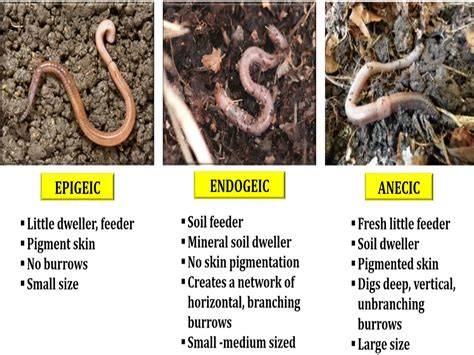
- Epigeic - surface-dwelling worms that thrive in decaying organic matter. They do not build burrows and are often used in vermicomposting. Red Wigglers & European Nightcrawlers are both categorized in this group of composting worms. Significantly, “Fetida” translates roughly to “foul-smelling,” a nod to the odor produced when handled.
- Endogeic - burrow within the top layers of soil and rarely come to the surface. They create horizontal burrows, feed on organic matter already in the soil, and are one of the few worm groups that eat soil as well as decomposing material.
- Anecic - deep-burrowing worms that create permanent vertical burrows and come to the surface to drag food down to their burrows. They include some common garden species and can be quite large, though they move slowly.
There are known to be 27 species of earthworm in the United Kingdom, and 182 in North America. Of all the earthworms known in North America, over 30 percent of them are introduced, meaning non-native species that can threaten local ecosystems. Some examples include the Redhead worm (an invasive European species) and several large tropical and semi-aquatic varieties. The introduction of non-native worms is a concern because these worms can be invasive and modify soil ecosystems.
Invasion, Management, and Practical Tips
Signs that indicate worms are benefiting your garden include improved soil structure, increased organic matter decomposition, and healthier plant growth. Nightcrawlers, for example, leave castings that enrich soil but can create unsightly piles in lawns. When addressing castings, avoid pesticides which harm beneficial insects. Instead, pick up castings by hand for use as garden fertilizer, rake to smooth the surface, or adjust mowing and irrigation to hide or minimize visible castings.
Other notable groups and topics touched upon in broader discussions include the diverse global distribution of earthworms, their role in ecosystem processes, and the balance between native and introduced species. For vermiculture enthusiasts, choosing the right species (often primarily epigeic composting worms) can determine the speed and quality of compost production.
Earthworm | Morphology & Anatomy
Worm castings are nutrient-rich fertilizer produced by worms. They are commonly richer in nitrogen and phosphorus and are often left in the worm burrows, enhancing soil fertility. The deep burrows of anecic earthworms improve drainage and aeration, while the mucus from worm skin aids soil structure by forming aggregates. In summary, earthworms are nature’s rototiller, improving soil structure, drainage, aeration, and nutrient cycling.
Species Highlights and Notable Facts
There are many species covered in different sources, including some that are common in gardens (e.g., red wigglers, European nightcrawlers) and others that are rarer or invasive. The Asian Jumping Worm (Amynthas spp.) is highlighted as an invasive concern in parts of the United States. Some worms are known for their large sizes, deep burrowing, or distinctive pigmentation, while others are primarily used for fishing bait or composting. Charles Darwin famously studied earthworms and noted their importance to soil fertility, writing about how fertile soil on earth likely passed through earthworms. Worms play a crucial role in soil health and composting, with their casts providing nutrients in forms more readily used by plants. Earthworms are a vital component of many ecosystems and support the decomposition process through their feeding and casting activities.
Begin with a DIY Worm Bin Kit from Meme’s Worms, add Red Wigglers, and feed them kitchen scraps and organic waste. Worm castings are nutrient-rich fertilizer produced by worms. This article provides a detailed look at the main types of soil worms, their roles, and practical considerations for gardeners and vermiculture enthusiasts alike.