Compost is the foundation for healthy plant growth, and choosing the right type can empower your vegetable garden to thrive. There are many distinct types of compost, each with specific uses, nutrient levels, and textures. Understanding these differences helps you tailor soil amendments to your plants’ needs, whether you’re growing leafy greens, root crops, or fruiting vegetables.
Why different composts exist and how they differ
Compost is decomposed organic material that can be one of the elements that makes up soil, typically used to improve its quality and nutrient value. Compost improves soil structure, increases water-holding capacity in sandy soils, and enhances drainage in heavy clay soils. It also attracts earthworms and beneficial microbiology that help plants absorb nutrients more efficiently. The best compost for a vegetable garden depends on soil type, crop choice, and bed preparation.
For most beginner gardeners, a peat-free all-purpose compost provides a reliable base that supports a wide range of vegetables in pots, containers, beds, and borders. However, seed sowing often benefits from a dedicated seed and cutting compost, which has a lighter texture and lower risk of scorching delicate seedlings. Heavy multi-purpose mixes can be too rich for young transplants, so choice matters at the start of the season.
John Innes composts are heavier due to grit and loam, making them a solid option for larger shrubs or trees in pots and for some perennial plantings in beds, but they are not always ideal for starting seeds or for sensitive seedlings. Soil-improver products can be used across many garden areas to improve soil structure, aeration, and moisture retention. For ericaceous-loving plants such as rhododendrons, camellias, or azaleas, ericaceous compost is essential because these plants tolerate and require acidic soil.
What to use for different gardening tasks
Peat-free compost options are preferred by many gardeners for environmental reasons and to avoid excessive moisture retention. A peat-free seed and cutting compost is ideal for sowing larger seeds and transplanting delicate varieties. For bulbs, peat-free bulb fibre provides excellent drainage and open structure, promoting healthy root development in containers. Orchids and epiphytic plants also require open, well-drained substrates rather than heavy, moisture-retentive mixes.
When mulching large areas, a specific mulch or soil improver tends to perform better than a general-purpose compost. For lawn establishment or soil structure improvement, soil improvers and appropriate compost blends can enhance moisture retention and nutrient supply without oversaturating the roots.
For vegetables grown in pots, hanging baskets, or containers, a peat-free all-purpose compost generally covers most needs. It’s important to refresh or replace compost annually to reduce pest and disease risks and to supply fresh nutrients to plants that have used up prior nutrients.
Special considerations for ericaceous vs. non-ericaceous plants
Ericaceous plants such as rhododendrons, camellias, and azaleas require ericaceous compost to thrive, as they tolerate acidic soils best. Other vegetables prefer slightly acidic to neutral or slightly alkaline conditions depending on the crop. Before planting, check your garden soil pH to determine which plants will perform best in your soil and to guide compost selection.
Seed sowing and growing advice
Although you can sow seeds in standard all-purpose compost, you’ll often get better results with a dedicated seed and cutting compost because it is gentler on seedlings. For most regular vegetables, a peat-free all-purpose mix is a practical starting point, while seed trays may benefit from lighter blends designed for germination and early growth.
Always use fresh compost for potting up plants each year to minimize pests and diseases and to ensure fresh nutrients are available to new growth. When growing indoors, lighter, well-aerated compost types help maintain an open structure that supports healthy root systems and air exchange.
How to choose and share best practices
The best compost to use depends on your exact planting goals and soil conditions. If you have rock-hard soil or sandy soil, compost can improve structure and nutrient availability. For beds and borders, consider using a soil improver or structured compost to boost moisture retention and nutrient supply. Always select a reputable brand to ensure quality and consistency, such as Miracle-Gro or Levington, especially for shop-bought options.
Homemade compost should be rich, dark brown, dry, and crumbly. It’s a valuable source of nutrients, but you may still need to supplement with other amendments for certain crops or heavy-feeding vegetables. When reusing pots, it is best to tip out old compost, clean containers, and reuse fresh medium to minimize pests and disease transfer.
Practical tips and common questions
- Do check soil pH before planting to tailor plant choices to your soil’s acidity or alkalinity.
- Do use fresh compost each year to reduce pest and disease carryover and to replenish nutrients.
- Do avoid sowing seeds directly into standard all-purpose compost for best germination results.
- Do use peat-free options when possible to support sustainable gardening.
- Don’t rely solely on compost to feed vegetables in new raised beds; combine with appropriate fertilizers or amendments as needed.
Understanding composting at home
Composting at home turns kitchen scraps and yard waste into a valuable soil amendment. It is a natural, aerobic, biological process that produces a dark, crumbly material that improves soil structure, moisture retention, and nutrient availability. Backyard composting can be done with simple bins, while vermicomposting (worm composting) offers a compact option for indoor or outdoor setups and produces vermicompost rich in nutrients and beneficial microbes.
Whether you compost at home or buy pre-bagged specialty blends, aim for a balance of brown and green materials (roughly three parts brown to one part green) and maintain moisture akin to a wrung-out sponge. Regular turning improves aeration and speeds decomposition, while curing allows the finished compost to stabilize before use in beds, containers, or as a mulch.
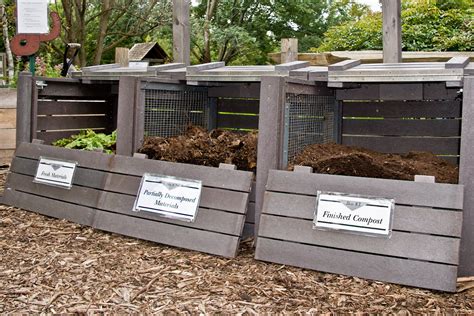
As you plan, you may consider different compost types for various tasks: seed starting, potting mixes, bulbs, ericaceous plants, and general garden use. Choosing the right compost based on your plant needs helps optimize growth while supporting sustainable gardening practices.
Different composts explained, when to spread, and how much
Table: Quick guide to common compost types
| Type | Best for | Notes |
|---|---|---|
| Peat-free all-purpose | Most vegetables, containers, beds | Good general option; avoid for sensitive seedlings |
| Seed and cutting compost | Seedlings and cuttings | Light, quick-draining |
| John Innes | Large pots, permanent plantings | Heavier; good moisture retention |
| Ericaceous compost | Rhododendrons, camellias, azaleas | Acidic soil requirement |
| Bulb fibre (peat-free) | Bulbs in containers | Open, free-draining |
| Soil improvers | Soil structure and moisture | Not a substitute for full nutrient needs |