Air-purifying indoor plants are more than decorative accents; they act as natural filtration systems that help remove common indoor pollutants and improve mood and well-being. This guide draws on researched insights and practical care tips to help you choose, place, and care for the best air-purifying houseplants in homes and offices.
Why choose air-purifying plants?
These plants filter toxins such as volatile organic compounds (VOCs) released from paint, furniture, cleaning products, and office equipment, while also helping reduce mold, smoke, and carbon monoxide. They’re not a standalone climate solution, but when combined with good ventilation, source control, and monitoring, they contribute to a fresher, calmer living environment.
Key considerations for selecting the right plant
- Light conditions: Most tropical plants prefer medium to bright indirect light, while many succulents tolerate several hours of direct sun. Choose accordingly to your space.
- Room size and plant size: Larger spaces can accommodate bigger plants like Areca Palm; smaller areas may benefit from compact options such as Lemon Button Fern.
- Pet safety: If you have pets, consider pet-safe varieties to maintain a safe living environment.
- Maintenance and watering: Resilient plants like Snake Plant thrive with infrequent watering, while Peace Lily requires more consistent moisture. Soil type and drainage are crucial for healthy growth.
Popular and effective air-purifying plants
These plants are frequently cited for their air-cleaning abilities and overall ease of care. They represent a balance between strong purification performance and practical upkeep.
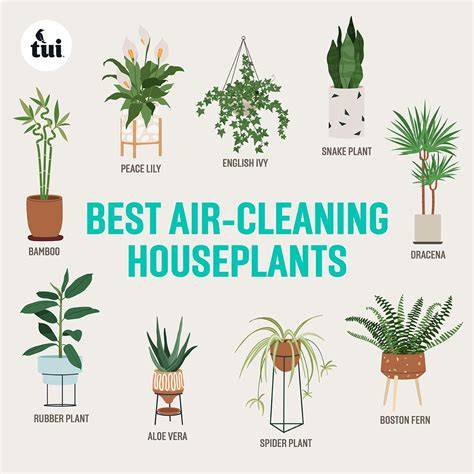
- Snake Plant (Sansevieria): thrives with minimal watering and tolerates a wide range of temperatures.
- Peace Lily (Spathiphyllum): robust and stylish; moderate moisture needs and effective at removing multiple pollutants.
- Spider Plant (Chlorophytum comosum): adaptable to various soils and light levels; great for beginners and offices.
- English Ivy (Hedera helix): often linked to reduced airborne mold and indoor pollutants; best in bright light.
- Areca Palm (Dypsis lutescens): large plant with strong air-purifying abilities; prefers bright, indirect light.
- Bamboo Palm (Chamaedorea seifrizii): good for small to medium spaces; tolerates lower light but likes consistent moisture.
- Boston Fern (Nephrolepis exaltata): effective for humid rooms and filters several common pollutants; needs higher humidity.
Other commonly mentioned options include the Rubber Plant, Dracaena varieties, and various ferns; each has unique light, water, and soil preferences that influence their purification capacity and care routine.
Practical care tips for maximizing air purification
- Watering: Water according to plant type; avoid soggy soil. Resilient varieties may need infrequent watering, while moisture-loving plants benefit from regular watering and humidity.
- Soil and drainage: Use well-draining soil and pots with drainage holes. Adding components like perlite can improve aeration.
- Humidity: Many air-purifying plants appreciate higher humidity; use a humidifier or regular misting for certain species.
- Temperature: Most thrive in 60-75°F (15-24°C); avoid cold drafts and extreme heat near vents or heaters.
- Placement: Group plants together for a more noticeable effect and to help create a microclimate with higher humidity.
- Maintenance: Prune damaged leaves, wipe dust from foliage, and monitor for pests. Propagation can expand your purifying collection over time.
How to choose for your space
First, assess the room size and light. For larger rooms, Areca Palm or Boston Ferns can make a striking impact; for compact spaces, Lemon Button Fern or similar varieties offer elegance without crowding. Next, consider whether you need pet-safe options or have concerns about dust and odor. Finally, think about how actively you want to engage with plant care-the more tolerant you are of maintenance, the wider your selection may be.
Myths and clarifications
There is no single “best plant” for every room; efficacy depends on light, room size, and placement. NASA’s early findings highlighted the potential of houseplants to filter certain VOCs, but real-world pollutant removal typically requires thoughtful placement and a larger collection. Plants should complement, not replace, air filtration devices and ventilation.
Recommended setup ideas
- In a bright living room, place Areca Palm or Boston Fern near natural light sources to maximize purification and aesthetic appeal.
- In a bedroom, choose Peace Lily or Snake Plant for low-light tolerance and easy maintenance, helping improve air quality while staying within quiet, relaxing spaces.
- In an office, combine Spider Plant with pothos and add a few small plants to create a greenscape that helps reduce toxins and boost mood.
Notes on buying and guarantees
When purchasing air-purifying houseplants online, check shipping practices and guarantees. Some retailers offer guarantees within a set period after delivery and emphasize careful packaging to ensure plants arrive healthy and vibrant. Shipping times vary by location, so plan accordingly for your indoor greenery project.
Practical review of common species
The following quick comparisons highlight practical considerations for a busy household:
- Areca Palm: strong air-purifying abilities; large size; best with filtered light; requires regular moisture.
- Snake Plant: highly resilient; tolerates low light and infrequent watering; great for beginners and low-maintenance spaces.
- Peace Lily: attractive blooms; prefers consistent moisture; moderate light; can help with several pollutants but may be toxic to pets.
- Spider Plant: easy to care for; tolerates varied soils and indirect light; helps absorb several pollutants and is safe for many households.
- English Ivy: effective for some pollutants; sensitive to high heat; best in bright light and well-ventilated spaces.
Potential enhancements for your indoor air quality
Beyond plant choice, improve air quality by ensuring good ventilation, controlling pollution sources, and monitoring indoor air. A diverse collection of air-filtering plants, thoughtfully placed, can contribute to a healthier and more inviting home environment.
A NASA study explains how to purify air with house plants
tags: #best #houseplants #for #air #purifying