The Philodendron ‘Birkin’ is a captivating houseplant that has gained immense popularity among plant enthusiasts for its unique and stunning visual appeal. The Philodendron ‘Birkin’ boasts glossy, dark green leaves that are highlighted by striking creamy-yellow or light green pinstripes, giving it a sophisticated appearance. The variegation pattern is unique to each leaf, with the stripes becoming more pronounced and intricate as the plant matures. Native: Philodendrons are native to the tropical regions of the Americas and the Caribbean. These plants are accustomed to the warm, humid environments of rainforests.
Plant Type and Habit: Unlike many other philodendrons, Philodendron ‘Birkin’ is a tropical perennial that is not a climber but grows in an upright, bushy manner. Size: Typically, the ‘Birkin’ reaches a modest size when grown indoors, usually around 2 to 3 feet in both height and spread (60-90 cm). Flowers: While the Philodendron ‘Birkin’ can produce flowers, it is a rare occurrence in indoor settings. The plant’s flowers are not its main attraction and are often overshadowed by its stunning foliage.
Foliage: The foliage of the Philodendron ‘Birkin’ is where this plant truly shines. Its leaves are not only glossy and vibrant but also feature an eye-catching variegation pattern that adds a touch of elegance to any room. The leaves are heart-shaped, green and adorned with creamy yellow streaks. Hardiness: If planted outdoors, this plant is hardy in USDA zones 10-12. It is best suited to indoor environments where temperatures can be kept consistent, ideally between 65-85°F (18-29°C). Uses: The Philodendron ‘Birkin’ is primarily used for decorative purposes, thanks to its visually striking appearance. It is an excellent choice for adding a touch of greenery to homes, offices, and other indoor spaces. Toxicity: Philodendrons are toxic to humans, cats, and dogs if ingested. They contain calcium oxalate crystals that can cause mouth and stomach irritation.
Light, Soil, Water, and Environment
Light: Birkin Philodendron prefers bright, indirect light to maintain its unique coloring. Soil: Use a well-draining, peat-based potting mix. Birkin Philodendron prefers slightly acidic to neutral pH levels. Water: Water your Birkin Philodendron when the top inch of soil feels dry to the touch. Temperature and Humidity: Ideal temperatures range between 65°F and 85°F (18°C to 29°C). Philodendrons can tolerate a wider range, but sudden temperature drops or exposure to cold drafts should be avoided. These tropical plants enjoy high humidity, between 50-60%, but can adapt to average household humidity levels.
Fertilization: Feed your Birkin Philodendron with a balanced, water-soluble fertilizer every 4-6 weeks during the growing season (spring and summer). Pruning: Pruning is not necessary. Repotting: Repot every 2-3 years or when roots start to crowd the pot. Propagating: The most common method is stem cuttings, which can be rooted in water or soil. Make the Cut: Using a clean, sharp knife or scissors, cut just below a node. Root in Water: Place the cutting in a glass or jar of water, ensuring the node is submerged. Leave the leaves out of the water. Wait for Roots: Roots should start to emerge from the nodes in about 2-4 weeks. Potting: Once the roots are sufficiently developed, plant the cutting in a pot with well-draining soil. Rooting Hormone (Optional): Dip the cut end of the stem in rooting hormone powder to encourage root growth. Plant the Cutting: Fill a pot with a well-draining potting mix. Water and Cover: Water the soil lightly to settle it around the cutting. To create a humid microenvironment, you can cover the pot with a plastic bag or place it in a propagator. Care for Your Cutting: Place the pot in a warm, bright location with indirect light. Wait for Growth: In a few weeks, the cutting should start to root.
Soil Mix and Potting Recommendations
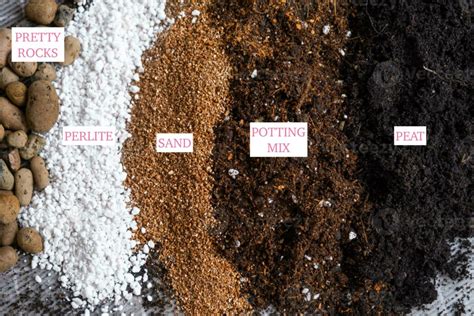
There are many types of potting mixes that will work for Philodendron Birkin. Everyone seems to have their own potting mix recipes. The one thing I will say, most indoor potting mixes out of the bag do not contain enough porosity and chunky material, so I always amend them. Some people like to use equal parts of all-purpose potting mix, orchid bark and perlite. This is a great mix too. Just know that it will dry out much more quickly, but as long as you can keep up with the watering, you'll be great.
For all of my philodendron plants, I always use a good quality potting mix formulated for houseplants: peat-based, well-nourished, aerated, and good drainage. Here’s the blend: 1/2 potting soil and 1/2 coco coir, plus a few handfuls of coco chips with compost and worm compost to add nutrients. These are the potting soils I alternate between using: Ocean Forest and Happy Frog. Both are high quality, formulated for houseplants, and have good stuff added in. Using proper soil will help protect against the threat of over-saturation, which leads to root rot.
Plan to repot your Philodendron Birkin every one to two years (spring and summer) and only increase one pot size, or about 2 inches larger. There’s no need to repot your Birkin when you first get it. It needs to acclimate to its new home first. Repotting will just increase stress while it’s getting adjusted.
Watering and Humidity
The watering routine for the Birkin depends on plant location and soil mixture. However, as a rule of thumb, the plant will need to be watered every week in the summer and every two weeks in the winter. If you're still trying to determine when to water your Birkin, stick your finger in the soil a few inches down to see if it feels dry or wet. If the soil feels 75% dry, go ahead and water. A soil moisture meter is another good way to determine the soil’s condition if you are unsure. When watering, make sure the soil is evenly and thoroughly moistened. Let all excess water drain before placing the pot back in its saucer or decorative container.
Humidity: The Birkin Philodendron will appreciate high humidity; misting two or three times a week is beneficial. If your home is dry, consider a humidifier or placing the plant on a tray with pebbles and water to increase humidity without allowing the pot to sit in water.
Temperature and Pest Management
Temperature: It prefers warm temperatures; keep away from drafty windows and doors, and away from air conditioning or heating vents. The plant can tolerate a range but thrives at typical indoor conditions. If you keep it on the patio, it tolerates down to about 55°F (13°C) but anything below that can cause damage. Humidity: High humidity is preferred, but the Birkin can adapt to average household humidity levels.
Pests: The Birkin is pretty pest resistant, but it can attract three pests that typically visit house plants: Spider Mites, Mealy Bugs, and Scale. Check your plant regularly, especially the undersides of leaves and where the leaf joins the stem. Neem oil or insecticidal soap are effective for managing most pest infestations. Given that pests often travel from one houseplant to another, taking swift action and treating upon detecting plant pests is crucial.
Fertilization, Pruning, and Propagation
Fertilizing: Feed your Philodendron ‘Birkin’ with a balanced, diluted, water-soluble fertilizer during the growing season (spring and summer). In spring and summer, you can apply a balanced fertilizer every 4-6 weeks at half strength. Do not fertilize during winter months. For some growers, fertilizing two or three times a year may suffice depending on climate and growth.
Pruning: Pruning is not necessary for Birkin; the plant naturally maintains a compact, bushy shape for many indoor settings. Repotting tips and occasional adjustments help keep the plant balanced as it grows.
Propagation: Stem cuttings are the most common method and can be rooted in water or soil. The cut should be just below a node. Root in water first and then plant the cutting in a well-draining mix once roots form. Optional rooting hormone can be used to encourage root growth. Care for cuttings by placing them in a warm, bright location with indirect light and maintaining humidity until roots develop.
Common Issues and Troubleshooting
- Yellowing leaves: Often caused by overwatering, poor drainage, or nutrient deficiencies. Adjust watering and check for root rot if stems become mushy.
- Brown leaf tips: A sign of low humidity or salt buildup from tap water.
- Loss of variegation: Typically due to insufficient light; rotate plant to ensure even exposure.
- Leggy growth or small leaves: Insufficient light; provide brighter indirect light and rotate periodically.
- Root rot: Overwatering and poor drainage; reduce watering, improve drainage, and repot into fresh, well-draining soil.
- Pests: Spider Mites, Mealy Bugs, and Scale; treat with neem oil or insecticidal soap at first signs.
Color changes tend to occur at the top part of the plant, typically on newer leaves. Simply snip off the part that is changing color; this will encourage new and correct growth to replace it. Evaluate your plant’s light, rotate your pot to distribute light, and provide support if the stem leans excessively.
Practical Care Reminders and Design Tips
Interior designers love using this plant. With its compact, bushy shape, the Birkin Philodendron can really hold its own and add to any room. It mixes well next to tropicals and succulents or is fantastic displayed alone. Because of its unique leaves, the Birkin will show better when it’s placed slightly below eye level, like on a shelf or side table. It looks great in a decorative container surrounding a larger plant like the Bambino Fiddle Leaf Fig.
Ornamental and environmental: The Birkin Philodendron is a striking decorative choice and is believed to have air-purifying properties, making it a thoughtful addition to indoor spaces. The plant is not found in nature as a wild specimen; it’s a remarkable cultivar with its own origin stories and mutations. Colorful leaves and variegation patterns can vary, and new growth may show differences that reflect its unique genetics.
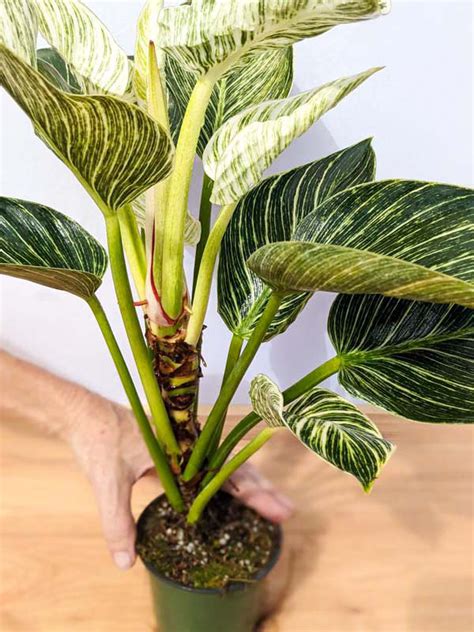
Repotting and acclimation: Do not rush repotting when you first acquire the Birkin; allow it to acclimate to its new environment. When you do repot, select a pot only slightly larger than the previous one and ensure good drainage. A bottom-watering approach can help maintain steady moisture without waterlogging the roots. Use soil that remains aerated and drains readily to prevent root rot and encourage robust growth.
Philodendron ‘Birkin’ Tips and Tricks by Focus New York
In sum, the Philodendron Birkin is a stunning and relatively low-maintenance houseplant that rewards attentive care with striking foliage. By choosing a well-draining soil mix, providing bright indirect light, maintaining consistent moisture without overwatering, and watching for pests, you can enjoy a healthy, decorative Birkin for years to come.
Philodendron ‘Birkin’ Tips and Tricks by Focus New York
| Aspect | Recommendation |
|---|---|
| Light | Bright, indirect light; rotate for even exposure |
| Soil | Well-draining, peat-based mix; slightly acidic to neutral (pH 6-7) |
| Watering | Water when top 1 inch dry; avoid overwatering |
| Humidity | 50-60% or higher; misting 2-3x/week |
| Temperature | 65-85°F (18-29°C); avoid drafts |
| Fertilizer | Balanced, diluted every 4-6 weeks in growing season |
| Repotting | Every 1-2 years; up one pot size |
| Pests | Watch for spider mites, mealybugs, scale; treat early |
Fertilization: Feed your Philodendron Birkin with a balanced, diluted, water-soluble fertilizer during the growing season (spring and summer). The Birkin is a stunning and unique houseplant that is highly sought after by plant enthusiasts. This plant is a relatively easy plant to care for, making it a great choice for both beginner and experienced plant owners alike. It prefers bright, indirect light and should be kept in a location that receives plenty of natural light throughout the day.
tags: #philodendron #birkin #soil