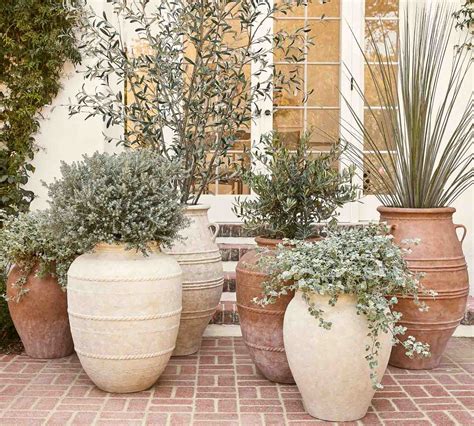
Pottery and plants can harmonize to create an outdoor space that feels both lush and thoughtfully curated. The containers themselves can play into the look-or fade into the background, letting the plants take center stage. This guide gathers ideas from real-life experiences, practical tips, and diverse styling approaches to help you craft striking, durable, and seasonal container gardens.
Choosing plants for the container: color, texture, and light
Choose good-quality potting soil. When choosing plants, make sure they’re suited to the conditions they’ll be displayed in-sun vs. shade-and remember that Rex begonias and hostas are favorites for shade, while calibrachoas, petunias, verbena, and dahlias shine in sun. Don’t underestimate the power of foliage; coleus, heucheras, and Rex begonias add color and texture, especially when space is limited. I usually start with some type of pansy or primula combo with forced forsythia, then in later spring switch to bright annuals for a bold display.
Edibles can be sneakily integrated into containers, such as lemongrass standing in for dracaena, variegated basil varieties like pesto perpetuo or lemon thyme adding fragrant foliage, and other herbs like lemon thyme, chocolate mint, parsley, creeping rosemary, and sage providing both utility and visual interest. For shade or partial shade, shade-tolerant choices like Rex begonias and hostas deliver impact, even in lower light. In all cases, match sun and water needs across all plants in a container to ensure a cohesive, thriving display.
Structure: height, balance, and repetition
A successful container display uses varying heights to create visual interest. This can be achieved by planting ornamental grasses or tall thriller plants such as Angelonia at the back or center of the arrangement. Supertunias are a favorite for container arrangements, providing long-blooming color that pairs well with focal, taller plants. It’s nice to include some height in an arrangement; this can be accomplished by planting ornamental grasses or lemongrass, which also offers an edible element.
There is definitely strength in numbers when you want to create a lush, packed container arrangement. The classic thriller-filler-spiller recipe remains a reliable guideline: thrillers are tall, centerpieces; fillers provide mass and color; spillers drape over the sides. Read plant tags to see whether a variety runs more compact or tends to trail and spill. For example, Wave Petunias are known for spilling, while tall grasses provide height without crowding smaller companions.
Materials, shapes, and upcycling
Consider upcycling around the house-old crates, colanders, bins-as planters to add personality and sustainability. Upcycled containers can be integrated with new soil and plantings to achieve stylish, budget-friendly results. When choosing large containers, look for sturdy construction and drainage; avoid overly narrow-necked pots with wide bodies, which become hard to remove once roots fill the space. For stability, wide pots are generally preferable to tall, narrow ones in windy or high-traffic areas.
Large outdoor planters come in a variety of materials-wood, plastic resin, metal, stone powder, cement, fiberglass, limestone-and each offers different aesthetics and durability. Fiberglass and resin composites are lightweight and weather-resistant, making large scale planters more movable and less prone to cracking in freeze-thaw cycles. Clay or stone pots suit residential spaces where maintenance and weathering can be managed over time. Choose a material that aligns with your climate and upkeep willingness while delivering the look you want.
Seasonal rotation and maintenance
Water regularly, especially during hot days, as pots dry out quickly. Some plants may require checking on twice a day during peak heat. Fertilize regularly because nutrients in potting mix deplete over time; use a slow-release fertilizer at planting and reapply as needed. Deadheading spent flowers and trimming leggy growth keeps containers tidy and encourages fresh blooms. When swapping plants midseason, gently remove the plant from its pot, loosen roots, and replant into the same hole to minimize root disturbance.
Before planting, plan your layout. Place each plant still in its plastic pot into the container to figure spacing and arrangement, then add soil around it and remove the plastic pot to plant in the exact hole left behind. After planting, water deeply to help roots settle in and avoid crowding; do not overcrowd pots, as overcrowding reduces air circulation and increases competition for water and nutrients.
Design ideas and real-life inspirations
As you shop for multiple plants that will be arranged in a pot, use a design approach that adds both texture and movement. Gardeners often mix annuals with perennials to extend color across seasons. For example, a front porch planter can mix variegated basil, lemon thyme, and sweet potato vine with Wave Petunias for a cascading effect. In containers, you can place tall accent pieces, such as a trellis with a climbing plant or a vertical element like a bamboo stake, to add height and dimension.
Consider integrating edible elements like lemongrass and herbs for both utility and aesthetics. When possible, add a layer of rock at the bottom for drainage; however, this can sometimes impede drainage in certain configurations, so balance drainage with weight and stability. Tabletop planters and window boxes are excellent for splash colors and seasonal rotations, while larger planters can anchor entrances or line walkways to guide movement through the space.
Container gardening is a flexible, seasonal way to bring vibrant color, texture, and greenery to any space-from patios and porches to balconies and backyards. It’s possible to create a lush, architectural look with large round planters placed on either side of doors or as island focal points in the garden bed. Planters can also be used to attract birds, butterflies, and beneficial insects, especially when they host trees or larger shrubs that provide shade and microclimates around the planting area.
Practical tips for beginners and seasoned planters
Always start with a plan before you plant. Use a layered approach: thrillers at the back or center, fillers to bulk out the mass, and spillers that drape to soften edges. When you need to replace a plant, swap out with something compatible in light, moisture, and root space. Look for high-quality potting soil, and consider the container’s drainage holes. You can plant almost any container with proper drainage, and as long as you match plant needs to the container’s light and water conditions, you’ll achieve cohesive results.
In addition to practical plant choices, you can add decorative elements to elevate the composition. Decorative glass, metal accents, and other small ornaments finish off the look and help tie the arrangement into the surrounding space. For seasonal security and ambiance, consider adding lighting or solar accents to containers for a subtle evening glow that highlights color and texture after dark.
- Start with a thriller and build with fillers and spillers for balance.
- Match sun and water needs across all plants in a container.
- Use proper drainage and avoid heavy, waterlogged soils.
- Incorporate edible elements for variety and utility.
- Think vertically for height and horizontal for reach to maximize space.
Ready to experiment? You can mix edibles and ornamentals, use height to create drama, and explore upcycled containers to craft a unique look that reflects your garden’s character. Large planters are a great way to introduce architectural elegance into any outdoor space, while smaller pots near seating areas provide intimate greenery that you can enjoy up close.