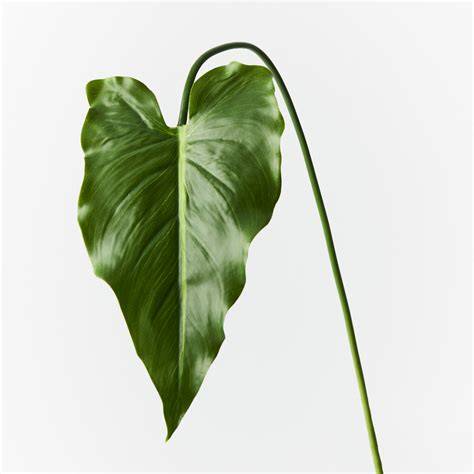
Calla lily leaves signal plant health before flowers appear-so when they yellow, brown, curl, spot, or wilt, it’s not cosmetic: it’s diagnostic. Not all leaf issues share the same origin, and accurate diagnosis starts with pattern recognition-not guesswork.
Why calla lily leaves yellow or brown
Older leaves yellow first, starting at margins and progressing inward: Classic sign of nitrogen deficiency-or more commonly, overwatering-induced root decay limiting nutrient uptake. Uniform yellowing across all leaves, especially in cool weather, points to chilling injury. Callas tolerate brief dips to 50°F (10°C), but sustained exposure below 55°F disrupts chlorophyll synthesis. Magnesium or iron deficiency shows as young leaves yellow between veins while veins stay green (interveinal chlorosis) and occurs more often in alkaline soils or with tap water high in bicarbonates. Confirm with a pH/EC meter: if pH exceeds 6.8, flush with rainwater or distilled water + 1 tsp Epsom salt per gallon.
Brown edges with yellow halos indicate fertilizer salt buildup; leach monthly by flushing 3x the pot volume in water. Sharp, dry brown tips with no yellow halo usually reflect sodium or fluoride accumulation from municipal water or perlite-containing mixes. Switch to rainwater or filtered water and repot with a peat-based mix (no perlite) every 18 months. Uniform yellowing can also be a sign of root rot from overwatering or poor drainage; inspect roots to differentiate this from other causes.
Sudden, wet brown patches that spread rapidly signal bacterial soft rot (Pectobacterium carotovorum). Smell the base-rotting tissue emits a sour, fermented odor. If detected, prune away affected tissue with sterilized pruners (dip in 70% isopropyl alcohol), dust cut surfaces with sulfur powder, and discard infected soil. Do not reuse contaminated soil.
Environmental and cultural factors
Overwatering accounts for a large share of calla lily leaf decline in indoor and balcony settings. Rhizomes store water but lack robust aerenchyma to survive prolonged saturation. Use a digital moisture meter (peat-based media) to guide watering. Ideal reading at 2 inches depth is 3-4 on a 1-10 scale; water deeply only when needed, allowing top inch to dry between waterings. In summer, this may be every 4-5 days; in winter dormancy, every 12-18 days. Never let pots sit in standing water. Elevate containers and consider self-watering pots with overflow indicators. Standing water can raise soil EC dramatically and promote rot. Repot every 2 years to refresh aeration.
Light and temperature are crucial. Callas need sufficient photon density, not just “6 hours of sun.” They require ≥1,200 foot-candles (fc) at leaf level during peak hours. Low light causes etiolation, with thin, pale, elongated leaves. If light is insufficient, relocate or supplement. Temperatures outside the optimal range disrupt stomatal regulation: above 80°F accelerates transpiration, below 55°F impairs nutrient transport and chlorophyll synthesis. Stagnant air invites fungal spores; a gentle airflow from a small fan (0.2-0.5 mph at leaf level) helps.
Callas are light feeders. Over-fertilization damages leaves more than under-fertilization. Do not feed during dormancy. Use a balanced, water-soluble fertilizer (e.g., 20-20-20) diluted to ¼ strength, and feed only during active growth-from first unfurling leaf until flower spike emerges. Stop feeding once blooms open. Magnesium matters: apply magnesium sulfate (Epsom salt) solution-1 tsp per gallon-every 4 weeks during growth. Iron chelate can help only if pH is above 6.8 and tissue analysis confirms deficiency, otherwise excessive iron can cause toxicity symptoms.
Pest, disease, and management notes
Upward or downward leaf curl usually stems from humidity and airflow issues rather than pests in healthy callas. Curling upward indicates consistently low humidity (<40% RH) with warm air flow; increase humidity with a cool-mist humidifier and ensure gentle airflow. Curling downward with thickened texture suggests light deficiency; provide bright light (east or west exposure) or 12+ hours of high-PPFD LED light. Twisting or strappy distortion in new growth points to herbicide drift; there is no cure-remove affected leaves and avoid broadleaf herbicides near growing areas.
Common pests like spider mites and aphids are less common on healthy specimens; if present, inspect with a 10x loupe and treat accordingly. Neem oil is not a universal fix-reserve its use for confirmed pests, as it can disrupt stomatal function and worsen drought stress when misapplied. Root rot and bacterial infections require careful handling: reduce watering, improve drainage, and in severe cases, remove infected plant parts and soil.
Water management and dormancy
Calla lilies need seasonal dormancy to rejuvenate. After flowering, allow foliage to die back naturally, stop watering, and store in a cool, dry place to rest. In contrast, during growth and flowering, keep the substrate consistently moist but not soggy. For plants in pots, a drainage layer at the bottom and a peat-based medium help prevent waterlogged roots. If a rhizome is soft or blackened, discard it and start anew with healthy material.
Practical care tips and troubleshooting
Remove only fully yellowed or brown leaves; pruning healthy green foliage reduces photosynthetic surface and energy reserves. Water deeply, but never soak. If you repot, loosen the root ball and place it in fresh, well-draining mix; divide the plant to propagate. Plant Zantedeschia types with attention to drainage-hybrids often require sharper drainage and warmer nights than classic Zantedeschia aethiopica.
To improve flowering in subsequent seasons, avoid direct, intense sun and ensure a cold stimulus during dormancy (about 5°C for some time). If there is insufficient flowering, review location, light, watering, and nutrient balance. In terms of fertilization, adjust feeding to the plant’s growth phase and avoid feeding during dormancy.
Frequently asked questions
- Can I save a calla lily with mostly brown leaves? Yes, if the rhizome is firm and white and new growth appears; cut away dead foliage, repot in fresh, well-draining mix, and provide bright indirect light. Water cautiously until new growth emerges.
- Do calla lily leaves need misting? No; misting is not needed and can promote fungal issues. Use a humidifier or group plants on a pebble tray, keeping pots above the water line.
- What about cleaning dusty leaves? Wipe with a damp microfiber cloth; avoid leaf shine products or vinegar solutions which can damage cuticle wax. Clean when dust visibly blocks light (2-3 weeks in dry indoor air).
- Why do leaves split vertically? It’s usually due to high humidity (>70%) and strong light, causing harmless longitudinal splits; reduce humidity or increase air movement.
Tables and quick-reference data
| Symptom | Possible cause | Remedy |
|---|---|---|
| Yellow margins on older leaves | Nitrogen deficiency or overwatering | Check soil moisture; improve drainage; adjust fertilizer |
| Interveinal chlorosis in new leaves | Magnesium or iron deficiency in alkaline soil | Test pH; flush with rain/distilled water; treat deficiency |
| Brown leaf tips with no yellow halo | Sodium/fluoride from water or perlite | Use rainwater/filtered water; repot with peat-based mix |
| Rapid spreading brown patches with odor | Bacterial soft rot | Remove affected tissue; sterilize tools; discard soil |
| Uniform yellowing in cool weather | Chilling injury | Move indoors or provide frost protection |
- Measure soil moisture with a digital meter and water only when 2-inch depth reads ≤3.
- Provide bright, indirect light or adequate PPFD for 12+ hours if using grow lights.
- Maintain temperatures between 60-75°F (15-24°C) and gentle airflow to minimize disease risk.
- Feed during active growth with ¼-strength balanced fertilizer; stop during dormancy.