Understanding what your lawn needs is the first step toward achieving a lush, green space. Both lawn aerators vs dethatchers play crucial roles in lawn care, but their functions and benefits are different.
Lawn Aeration: Purpose and Benefits
A lawn aerator is a tool designed to create holes in the soil, allowing air, water, and nutrients to penetrate deeper into the root zone. This process alleviates soil compaction, improves soil structure, and promotes root growth. Core aerators remove plugs of soil, while spike aerators push holes into the ground.
Lawn aeration is typically needed once or twice a year, preferably in early spring or fall when the grass is growing but not under stress from extreme temperatures. The benefits include reduced soil compaction, enhanced nutrient availability, and improved overall lawn health. Aeration also prepares the lawn for overseeding, as seeds fall into holes created by the aerator, giving them direct contact with soil and protection from birds.
Core aeration leaves soil plugs on the surface, which decompose over 2-3 weeks and act as natural fertilizer. The plugs improve soil structure and help beneficial microorganisms break down thatch, supporting a healthier turf ecosystem.
Dethatching: Purpose and Benefits
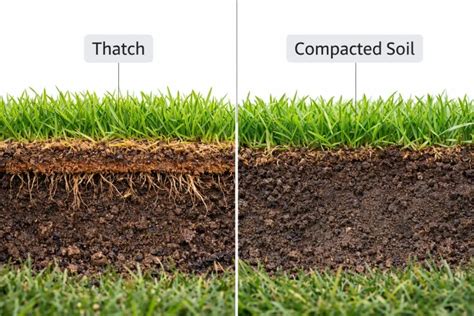
On the other hand, a dethatcher, also known as a verticutter, removes thatch-the layer of dead grass, roots, and debris that accumulates between the soil and grass blades. Thatch can prevent water, air, and nutrients from reaching the soil, leading to poor grass health.
Dethatching is best done during the growing season, usually in early spring or fall, to allow the grass to recover quickly. The benefits of dethatching include improved water and nutrient absorption and a healthier, more resilient lawn.
Thatch is a layer of dead and living organic matter that accumulates between the green blades of your grass and the soil surface. A thin layer (generally under half an inch) can benefit your lawn by insulating the soil and aiding moisture retention. Problems arise when thatch exceeds a half-inch threshold, trapping water and nutrients and fostering fungal diseases and pests.
Key Differences: How to Decide
- Method: Dethatcher uses tines or blades to remove thatch; Aerator uses spikes or hollow tines to punch holes in the soil. Core aeration removes plugs; spike aeration creates holes without removing material.
- Indicators for Use: Dethatch when thatch is more than 1/2 inch thick; Aerate when soil is compacted, water puddles, or grass growth is poor despite care.
- Impact on Lawn: Dethatching can be stressful and requires post-treatment care; Aeration is generally beneficial with minimal stress and adds organic matter from decomposed plugs.
- Maintenance Frequency: Dethatcher is typically needed every 2-3 years or as thatch accumulates; Aerator is often used annually or every 2-3 years depending on soil and traffic.
- Cost: Dethatching is usually less expensive to rent or purchase than aerators; Aeration tends to be more costly but offers long-term soil and root benefits.
When both problems exist, dethatch first, then aerate. Removing the thatch layer first exposes the soil so the aerator can penetrate deeply and work effectively.
Timing and Regional Considerations
Cool-season grasses (Kentucky bluegrass, fescue, ryegrass) respond best to dethatching and aeration in early spring or fall, with fall often preferred for dethatching. Warm-season grasses (Bermudagrass, Zoysia, St. Augustine) respond better to dethatching and aeration in late spring to early summer. In coastal or sandy soils, decomposition of thatch can be slower, so aeration and proper post-care are especially important.
In regions with heavy clay or high traffic, aeration may be needed annually, with dethatching scheduled when thatch exceeds 1/2 inch. If you maintain regular overseeding and fertilization, thatch buildup is less likely to reach problematic levels.
Practical How-To: Do It Yourself or Hire a Pro
Dethatching your lawn can be done with manual thatch rakes for small patches or power dethatchers for larger areas. Manual options are cheaper but labor-intensive; power dethatchers remove thatch quickly but can stress the turf if misused.
Aerating can be DIY with a core aerator (manual or pulled behind a mower) or hiring a professional with a gas-powered or tow-behind core aerator. Core aeration is preferable to spike aeration because it relieves compaction without compacting surrounding soil. After dethatching or aerating, follow with proper watering, light fertilization, and overseeding as needed.
Rental costs vary: dethatching equipment typically ranges from $50 to $150 per day, while aerators may cost from $60 to $200 per day plus potential professional fees. A combined service from a lawn care professional can be economical and time-saving.
If you’re unsure which treatment your lawn needs, or if you’re preparing for major overseeding or renovation, a professional assessment can save time and protect your turf.
Signs Your Lawn Needs Dethatching, Aeration, or Both
- You need dethatching if the lawn feels spongy, looks dull, or the thatch depth test shows more than 1/2 inch; water may puddle on the surface rather than soaking in.
- You need aeration if the soil feels hard, water pools on the surface, roots don’t penetrate deeply, or grass growth remains thin despite care.
- You may need both if signs of thatch and compaction appear simultaneously, often requiring dethatching first followed by aeration.
In practice, many lawns benefit from an annual aeration and overseeding program, with dethatching reserved for when thatch accumulation becomes problematic.
Post-Treatment Care and Recovery
Both treatments stress the lawn temporarily. After dethatching, water consistently to support recovery, apply a light fertilizer to replenish nutrients, and overseed bare areas. After aeration, leave the soil cores to break down, fertilize, and water regularly to help newly established roots grow deep.
Timing matters more than any other factor. Treat during active growth periods, avoid peak heat, and monitor soil moisture to support quick recovery.
Infographics and Visual Aids
Are Electric Dethatchers and Scarifiers The Same Thing
Summary Table: Dethatching vs Aeration
| Feature | Dethatching | Aeration |
|---|---|---|
| What it does | Removes the thatch layer | Relieves soil compaction; creates holes |
| When to use | That ch thickness > 1/2 inch | Soil is compacted or water pools |
| Frequency | Every 2-3 years or as needed | Annually or every 2-3 years |
| Recovery time | Short-term stress; requires recovery | Minimal visible damage |
| Best season | Cool-season: early spring or fall; Warm-season: late spring to early summer | Cool-season: fall or early spring; Warm-season: late spring to early summer |
What’s the bottom line? Your lawn shows different symptoms depending on whether thatch or compaction is the culprit. Aerate to improve soil structure and root growth; dethatch to clear a thick thatch layer. Most lawns benefit from annual aeration, and dethatching is typically reserved for when thatch exceeds 1/2 inch. If both problems exist, dethatch first, then aerate for best results.
If you’re not sure which treatment your lawn needs, we can connect you with local lawn care pros who’ll assess your yard and handle dethatching, aeration, or both. Get a free quote for aeration, dethatching, mowing, or complete lawn care in your area.
tags: #dethatching #vs #aerating #lawn