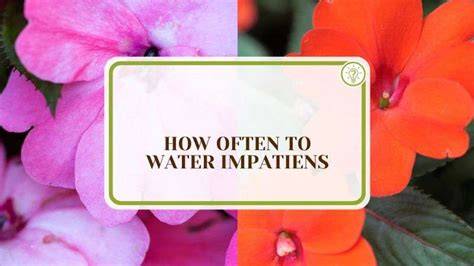
Impatiens are among the most popular bedding plants for partial shade, prized for their glossy leaves and plentiful blossoms. They are ideal for containers, hanging baskets, and garden beds, and come in several varieties such as standard impatiens (Impatiens walleriana), New Guinea impatiens (Impatiens hawkeri), and garden balsam (Impatiens balsamina). To keep them thriving, understanding their watering needs is essential, especially since their moisture preferences differ by light exposure, soil type, and climate.
Overview of water needs by type and site
Impatiens perform best in moist, well-drained soils in partial shade. Sites that receive 2 to 4 hours of filtered sun during the day or morning sun with afternoon shade are usually ideal. New Guinea impatiens require moist, well-drained soils and do not like wet or dry soils; they wilt badly in dry soils and may suffer root rot in overly wet conditions. Standard impatiens, and many older varieties, prefer consistently moist soil and can tolerate deeper shade, but they will wilt if the soil dries out for extended periods. Mulch helps retain moisture and moderates soil temperature, reducing the frequency of required irrigations.
Watering frequency for established plants
Established impatiens generally need about 2 inches of water per week, with adjustments for temperature, humidity, and sun exposure. In garden beds, water once a week during dry weather is a common guideline, while containers and hanging baskets require more frequent checks because the soil dries out more quickly. During hot spells when temperatures rise into the high 80s or 90s, daily watering may be necessary, especially for sun-loving variations like SunPatiens. Always water at the base to keep foliage dry and reduce disease pressure.
How to tell when they need water
Moisture preference is best judged by the soil near the plant’s base. If the surface soil feels dry to the touch, it’s time to water; if it’s still wet, wait. For container plantings, the tilt test can help: after watering, lift or tilt the pot to feel its weight; when the pot becomes light and the soil surface is dry, it’s time for another watering. Soil that stays consistently damp or soggy can lead to root rot and other problems, so avoid overwatering.
Watering technique for healthy impatiens
Morning watering is generally best, giving roots time to absorb water before the heat of the day. Water deeply but infrequently to encourage deep root growth, rather than a light daily misting. Soaker hoses or slow, thorough irrigation at the root zone are effective ways to deliver moisture without wetting foliage excessively. In containers, check soil moisture frequently and water when the top inch feels dry.
Special notes on disease and pests related to watering
Impatiens are susceptible to downy mildew (Plasmopara obducens), especially the common garden varieties; New Guinea impatiens tend to be more mildew-tolerant. Keeping leaves dry and ensuring good air circulation helps reduce mildew risk. Overwatering can promote root rot and other fungal issues, so balance is key. For salt- and nutrient-sensitive soils, avoid over-fertilizing, as excessive growth can increase water demand and susceptibility to stress.
Watering schedule recommendations by setup
- In-ground plantings: water about every 1-2 weeks during normal weather; increase to once or twice weekly in hot, dry periods, ensuring the soil remains consistently moist but not soggy.
- Containers and hanging baskets: check soil daily in hot weather and water when the surface is dry; a deep soak is often beneficial, but avoid leaving the root zone waterlogged.
- New plantings and seeds: keep soil evenly moist as plants establish roots; daily checks may be necessary during the initial weeks, especially in warm conditions.
Propagation and seasonal considerations
Impatiens can be grown from seeds or cuttings; seeds require consistently moist conditions for successful germination. Regular irrigation helps prevent heat and drought stress that can impede flowering. In colder climates, bringing potted impatiens indoors during winter reduces stress and preserves plants for reuse, though some varieties become dormant or perish in frost. When transitioning plants from indoors to outdoors, harden them off gradually to acclimate to outdoor moisture and temperature fluctuations.
Summary of practical tips
- Keep soil consistently moist, not soggy; allow the top layer to dry slightly between waterings.
- Water at the base to protect foliage and reduce mildew risk; morning is the best time to water.
- Mulch to retain moisture and stabilize soil temperature; adjust frequency in hot weather.
- Choose site conditions appropriate to variety: standard impatiens in shade to partial shade; SunPatiens tolerate more sun but still prefer moisture.
- Monitor for signs of underwatering (wilting, leaf curling) or overwatering (yellowing, root rot).