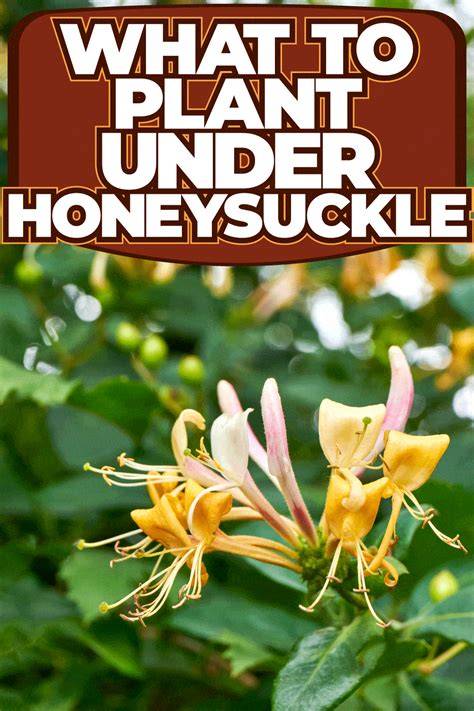
Honeysuckle (genus Lonicera) is a diverse group of vines and shrubs known for their sweetly scented flowers, nectar-rich blooms, and value to pollinators. From twining vines that climb arbors and fences to compact shrubs for groundcover or hedging, honeysuckle adds beauty, fragrance, and functionality to the landscape. Honeysuckle offers a unique combination of fragrance, color, wildlife support, and versatility in the landscape. With forms ranging from twining vines to structured shrubs, and with native and non-invasive selections readily available, it can be tailored to fit nearly any design need.
What to plant next to honeysuckle
When choosing companions, consider light, moisture, soil, and space to ensure harmony with honeysuckle’s requirements. For shady areas beneath a mature honeysuckle, tough shade-tolerant natives or perennials like hosta or shade ground covers can be excellent anchors, though they will compete for water and space. In sunnier pockets, select natives or perennials that tolerate similar moisture and soil conditions to support a cohesive bed.
Honeysuckle is known for its nectar-rich flowers that attract pollinators, and its gardening companions should enhance pollination, soil health, and visual continuity. Flowering partners can extend seasonal interest, while foliage and texture provide year-round structure. Below are compatibility notes and practical suggestions for common garden pairings with honeysuckle.
Honeysuckle compatibility with other plants
Not all plants can be planted next to honeysuckle, since the root system can release substances that influence neighboring crops. The best neighbors share similar light and water needs, and do not excessively compete for moisture. They should also fit the space, whether as groundcovers, understory shrubs, or climbers on the same support structure.
Honeysuckle and apple tree compatibility: Planting an apple tree next to honeysuckle is possible with experience and careful spacing. Keep roots and canopies from shading each other to maintain fruiting and bloom opportunities.
Honeysuckle and currant compatibility: Currants and honeysuckle often share frost resistance and low maintenance, with black currants tending to pair better than red currants. Avoid close proximity to raspberries or apples to prevent nutrient competition. Good airflow and adequate spacing are key.
Honeysuckle and gooseberry compatibility: Honeysuckle grows well next to gooseberries when spacing allows about 1.5 meters between plants, ensuring both have access to sun and water without crowding roots.
Honeysuckle and raspberry compatibility: Raspberries require ample root space and can suppress neighbors. Suitable companions near raspberries include black currants, pears, plums, honeysuckle, barberry, and juniper, but watch for shared water needs and avoid overly dense understories that shade raspberries.
Honeysuckle and cherry compatibility: Cherries can be shaded by nearby honeysuckle, so avoid close proximity. If they share space, place honeysuckle at a distance of 1.5-2 meters from cherry trunks to minimize shading while still benefiting from mutual support structures.
Honeysuckle and blueberry compatibility: Blueberries prefer acidic soil and can coexist with honeysuckle if soil pH and moisture are managed. Maintain a generous gap (around 4 meters) to prevent competition, and plant honeysuckle on the north side to shield blueberries from cold winds while maintaining sufficient sun exposure.
Honeysuckle and pear compatibility: Pears can be adversely affected by a nearby honeysuckle’s root activity. Keep a careful distance from the pear’s root zone, and avoid planting barberry, beech, or juniper nearby as they can hinder heartier pear growth.
Honeysuckle and blackberry compatibility: Blackberries require space, and proximity to honeysuckle is generally not ideal for young plantings. Upright varieties (kumanik) may tolerate partial adjacency, but creeping types (dew) are less compatible due to aggressive growth and root competition.
How to choose the best neighbors for honeysuckle: The strongest companions are fruit trees and shrubs that enjoy similar sun and moisture conditions and do not excessively shade honeysuckle. Apple, rose hips, grapes, black and red currants, plums, cherries, barberries, and quince are commonly good partners when spaced properly and kept away from overly aggressive root competitors.
Important considerations include avoiding root competition with aphids, scale insects, and powdery mildew, and ensuring that root systems of aggressive or water-hungry plants do not rob honeysuckle of soil moisture. A combination of flowering groundcovers and flowering perennials can support pollinators while providing ecological balance in the bed.
Understory and groundcover options
Underneath a shaded honeysuckle, consider native shade-tolerant perennials and groundcovers that also help suppress weeds and retain soil moisture. Hosta and shade-tolerant ground covers can be effective, especially when arranged to maximize air circulation and water access for both plants.
Experienced gardening tips
When planting honeysuckle on the lawn, maintain a near-trunk circle of at least one meter in diameter around each plant to reduce competition and support root health. Pollination is insect-driven, so planting a variety of honeysuckle cultivars or nearby nectar-rich companions boosts cross-pollination and fruiting success. If neighbors also have honeysuckle, a single well-spaced bush on the site can still yield fruit and fragrance.
Choose varietal pairs carefully to ensure compatible growth rates and pruning needs. For example, honeysuckle varieties with similar pruning windows facilitate maintenance and encourage continuous bloom across seasons. Regular pruning, mulching, and irrigation management help maintain soil moisture and reduce competition for nutrients.
Growing honeysuckle in containers or landscapes
Climbing honeysuckles can be trained on trellises, arbors, or fences, while compact shrubs work well as hedges or groundcovers. In containers, select smaller cultivars and provide supports to encourage vertical growth. For container companions, consider creeping phlox and ornamental grasses to provide trailing and architectural contrast. Avoid low-light companions that require shade, as honeysuckle generally prefers sun or partial shade and well-drained soil.
Choosing non-invasive honeysuckle varieties
Not all honeysuckle species are appropriate for every region; some are invasive in certain areas. Look for non-invasive varieties such as Lonicera sempervirens (Trumpet Honeysuckle), Lonicera periclymenum (European Honeysuckle), Lonicera caerulea (Honeyberry), and other cultivars suited to your climate. Always verify local guidelines or expert advisories to confirm a cultivar’s invasiveness status in your area.
Growing and care overview
Honeysuckle thrives in well-drained soils with consistent moisture and good light. It is generally hardy across USDA zones 4-9, though specific cultivars vary. Pruning is often best done in late winter or early spring. Watch for pests such as aphids, scale insects, and powdery mildew, and address them promptly to preserve vigor and flowering. While many varieties offer long bloom periods and strong fragrance, height and color will vary by cultivar and climate.
To maximize garden value, intertwine honeysuckle with complementary flowering plants to extend bloom time and attract beneficial insects. For example, pairing with roses, clematis, or verbena can create continuous floral displays, while occasional nectar-rich companions invite pollinators for robust fruiting and healthier plant communities. If space is limited, select a smaller honeysuckle variety for container plantings to maintain flexibility in placement and design.
Possible companion planting patterns
- Trellised honeysuckle with clematis for extended color and scent across summer and fall.
- Understory groundcover like pachysandra or periwinkle with honeysuckle shrubs for weed suppression.
- Container combinations with creeping phlox and ornamental grasses for textural contrast.
- Pollinator-friendly borders with alyssum, dill, and borage planted near honeysuckle to attract beneficial insects.
Flowers attract bees and hummingbirds, so mixing nectar-rich companions with honeysuckle promotes pollination and can improve yields in adjacent fruiting plants when present. Pair honeysuckle with roses for a classic look, or with clematis and verbena for sustained flowering and fragrance.
June Companion Plants - Halls Honeysuckle
tags: #honeysuckle #companion #plants