Humus is a mysterious, multifaceted component of soil that defies a simple definition, yet its role in soil health is undeniable. Humus-rich soil is often described as dark, crumbly, and highly fertile, formed by the long, intricate process of decomposition and stabilization of organic matter by a living soil community. The substance is the stable end product of humification, transforming plant detritus, animal residues, microbes, and soil fauna into durable organic compounds that help ecosystems thrive.
What humus is and how it comes into existence
Humus is the stable form of soil organic matter derived from decomposition of plant and animal substances. It is difficult to define precisely because it is a complex, aging, and highly variable substance that emerges from a long chain of biological and chemical transformations. Humus is comprised of minerals, proteins, carbohydrates, sugars and starches, all freed by decaying micro organisms then further refined by those organisms along with the worms and other macro organisms. Fully formed humus is essentially a collection of very large and complex molecules formed in part from lignin and other polyphenolic molecules of the original plant material, and in part from similar molecules produced by microbes. Microorganisms decompose a large portion of the soil organic matter into inorganic minerals that roots can absorb as nutrients, a process termed mineralization, while humification can transform a fraction of organic matter into stable humic substances that persist in soil for decades or centuries.
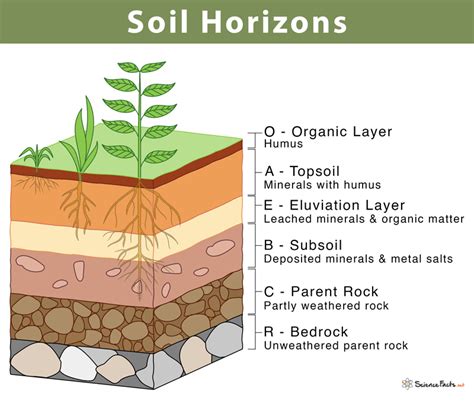
Humus forms in many soils and horizons but is commonly found in the surface and subsurface layers where organic matter accumulates. The master horizons used by soil scientists include O (organic), A (topsoil), B (subsoil), C (substratum), and E (eluviated) horizons, with humus typically concentrated in the organic O horizon and mixed into mineral horizons depending on soil type and disturbance. The color of humus ranges from brown to black and it is largely carbon-rich, with nitrogen, phosphorus, and sulfur present in smaller amounts. The humus layer contributes to soil structure, moisture retention, and nutrient dynamics, and it is often described as the stable, slowly decomposing fraction of soil organic matter.
Humic substances-humic acids, fulvic acids, and humin-are key components formed during humification. These substances arise from the digestion of organic matter by microbiomes and macrofauna interactions, with lignin and polyphenolic compounds serving as major precursors. The resulting humic substances can bind minerals, enhance soil aggregation, and influence the availability of nutrients to plants. Different soils show different humus dynamics: some are dominated by more recalcitrant carbon (stable humus), while others contain humus that is more labile and dynamic, influenced by soil texture, pH, moisture, and biological activity.
Is humus solid or liquid?
The humus form is often described as solid, yet it behaves like a gel-like network within soil, contributing to both solids and adsorbed water phases. It can release some substances as leachates under certain conditions, but humus itself is typically retained within the soil matrix, bound in aggregates and to mineral surfaces. In practice, humus is best understood as a highly organized, long-lasting organic matter that stabilizes soil structure and sustains nutrient cycling over time.
Humus in soil science and its practical importance
Humus has a characteristic black or dark brown color and is an accumulation of organic carbon. It is crucial for improving soil structure, increasing water retention, and moderating nutrient availability. Humus contributes to a soil’s cation exchange capacity (CEC), binding essential nutrient cations such as potassium, calcium, and magnesium, and releasing them slowly to plant roots. It also acts as a buffer for pH and helps reduce nutrient leaching, especially in coarse-textured soils.
Humus supports a thriving soil ecosystem. Bacteria, fungi, earthworms, nematodes, protozoa, and arthropods all participate in humus formation and maintenance, creating a robust detrital food web that sustains plant growth. The stability of humus is enhanced when it is physically protected within soil aggregates or occluded within clay microenvironments, helping it persist for long periods even under active decomposition elsewhere in the soil profile.
How to increase humus in soil
One of the best ways to build humus is to regularly add organic matter-well-aged compost, rotted manure, chopped plant residues, and kitchen scraps suitable for composting. Mixing high-quality compost into the top few inches of soil each year slowly builds humus and increases soil biological activity. For faster results, humic acid fertilizers supply a stable humic fraction that can increase CEC more quickly than compost alone, though materials should be well-decomposed and free of pollutants and excess salts.
Mulch and cover crops are effective strategies to promote humus formation. Green manures such as rye, oats, clover, and vetch, left to decompose, feed soil microbes and earthworms. Leaves, straw, grass clippings, and wood chips spread on the soil surface decompose gradually, releasing nutrients and protecting the soil from erosion and temperature fluctuations. Over-tilling and excessive chemical inputs can disrupt soil structure, reduce microbial activity, and hinder humus formation, so a balanced approach including reduced disturbance and integrated organic inputs is recommended.
Simple practical tests can help gauge humus presence. A jar test-filling a clear jar with dry soil, adding water, shaking, and letting it settle-can indicate the relative amount of fine organic matter mixed with mineral particles by observing the darker organic layer near the top. However, laboratory tests remain the most reliable way to quantify organic matter or organic carbon levels.
Using humus-rich soil in gardens, lawns, and fields
In vegetable gardens and raised beds, humus-rich soil holds moisture and nutrients, allowing roots to access them more readily. Mixing humus-rich soil with existing garden soil improves drainage and helps prevent rapid drying. For lawns and trees, applying a thin layer of humus-rich compost as topdressing can promote microbial activity, improve infiltration, and support deeper rooting over time. Mulching around trees and shrubs, and maintaining a soil cover with compost and mulch, fosters a forest-floor-like environment that gradually builds humus in the rooting zone.
When shopping for humus-related products, beware that “humus soil” and “humus” bags may be mislabeled compost. Humus is a stage of decomposition and not a single, pure product; look for dark, crumbly materials with high organic matter content rather than products that contain fresh wood chips or other raw materials that may temporarily tie up nitrogen.
Table: Humus vs. compost (key contrasts)
| Characteristic | Compost | Humus |
|---|---|---|
| Physical state | Variable texture, may contain recognizable bits | Uniform, dark, crumbly, no recognizable pieces |
| Decomposition stage | Active decomposition | Completely decomposed, stable |
| Nutrient availability | Releases nutrients quickly | Releases nutrients slowly over years |
| Microbial activity | Very high (hot decomposition) | Moderate (stable habitat) |
| Soil structure impact | Adds bulk organic matter | Creates stable aggregates, improves tilth |
Humus and the broader context of soil health
Humus is often called “black gold” for its crucial role in sustaining soil health and agricultural productivity. It contributes to water retention, nutrient buffering, aggregate stability, and a resilient soil food web. While some debates exist about the precise chemical nature and persistence of humic substances, the practical benefits are widely recognized: soils with higher humus content tend to support higher plant productivity, better drought tolerance, and more stable nutrient cycling.
In a broader sense, humus connects to long-term soil fertility strategies such as sustainable organic matter management, cover cropping, reduced tillage, and diversified microbial inputs. The interplay between microbial communities, earthworms, and plant roots drives the continuous formation and stabilization of humus, ensuring that soils remain living, dynamic systems rather than inert mineral substrates.