Composting is the managed, aerobic (oxygen-required) biological decomposition of organic materials by microorganisms. Organic (carbon-based) materials include grass clippings, leaves, yard and tree trimmings, and food scraps. The end product is compost, a biologically stable soil amendment that can be used to build soil health and provide nutrients to plants. Microorganisms feed on the materials added to the compost pile during the composting process. Composting is nature’s way of recycling. It is one of the most powerful actions we can take to reduce our trash and build healthy soil.
By turning our food scraps and yard trim into compost, we transform our waste streams into a beneficial, value-added soil amendment and use it to protect the environment and create resilient communities. Composting is a resourceful way to recycle the food scraps and yard trim you generate at home all year and manage your waste more sustainably. You reduce the volume of materials that might otherwise be disposed of in landfills or trash incinerators, such as leaves, grass clippings, yard trim, and food scraps. Composting involves minimal effort, equipment, expense, and expertise and can be fun. You save money by producing a free, high-quality soil amendment - compost - which reduces your use of fertilizer and pesticides.
You can use your compost to build healthier soil, prevent soil erosion, conserve water, and improve plant growth in your garden and yard. Options for Composting at Home include backyard composting and vermicomposting (worm composting). If you don’t have a space for composting, consider participating in a local municipal or community composting program which may collect your food scraps or offer a designated location where you can drop them off. Learn more about community composting. If you can’t find composting in your area, consider starting a composting program or advocating for one in your community or municipality. Note: Residential pre-processing appliances reduce the volume and weight of food scraps by grinding and dehydrating them. However, these appliances do not produce compost but rather a dried food scraps mixture that can be added to a composting system.
Composting in Your Backyard
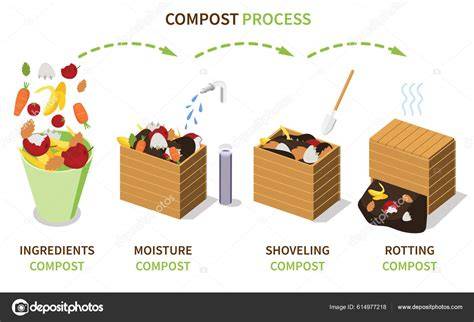
Ingredients for Composting include a proper balance of carbon-rich materials (“browns”), nitrogen-rich materials (“greens”), water (moisture), and air (oxygen). The items to add and avoid are listed below to help you craft a well-functioning pile.
What to Add to a Backyard Compost Pile
- Nitrogen-Rich Materials (“Greens”): Fruit and vegetable scraps, Grass clippings, Plant stalks and twigs, Coffee grounds and paper filters, Eggshells (crushed)
- Carbon-Rich Materials (“Browns”): Dry leaves, Shredded paper (non-glossy, uncolored) and shredded brown bags, Paper tea bags (no staples), Shredded cardboard (no wax coating, tape, or glue), Untreated wood chips
What to Avoid Adding to a Backyard Compost Pile
- Meat, fish, and bones; Cheese and dairy products; Fats, oils, and grease; Cooked food (small amounts are fine); Compostable foodservice ware and compostable bags
- Herbicide-treated plants and grass; Aggressive weeds with seeds; Diseased or pest-infested plants; Treated or painted wood; Pet waste and cat litter; Dryer lint; Glossy paper
Steps for Backyard Composting
- Determine how you will collect and store browns and greens. Collect fruit and vegetable scraps in a closed container and set aside browns in a separate outside area.
- Set aside space for your compost pile and build or buy a bin. Choose a yard location with good drainage and easy access year-round. Ensure there is a water source nearby.
- Prepare your ingredients. Chop and break materials into smaller pieces to speed up decomposition.
- Build your pile with a base of bulky browns, then layer greens and browns like lasagna. If needed, add water to dampen the pile.
- Maintain the right proportions: aim for at least two to three times the volume of browns to greens. Always cover food scraps with four to eight inches of dry browns.
- Air and water are essential. Turn the pile to aerate it and maintain moisture similar to a wrung-out sponge. Keep an eye on moisture, odor, and temperature and adjust as needed.
- Harvest finished compost. When the pile stops heating up after mixing and there are no visible food scraps, cure for at least four weeks. Finished compost should be dark, loose, crumbly, and smell like fresh soil.
- Screen the finished compost to remove undecomposed materials like twigs and eggshells. Return those items to the pile or use them in a new pile.
Worm Composting (Vermicomposting)
Worm composting is another home method that takes up little space and can be done indoors or outdoors. It requires a worm bin, bedding material, worms, and food scraps. A properly maintained bin should not emit odors or attract pests. The product is vermicompost, a soil amendment.
Steps for Vermicomposting
- Make or buy a worm bin with a tight-fitting lid and dark color to exclude light.
- Choose a space for your worm bin (indoors or outdoors) and keep the bin at a comfortable temperature for the worms.
- Use Eisenia fetida (red wriggler) as the worm species. Begin with about 1,000 worms and provide bedding of shredded non-glossy paper or cardboard plus damp leaves.
- Feed worms fruit and vegetable scraps, coffee grounds, crushed eggshells, and non-stapled tea bags. Avoid citrus, odorous foods, meat, dairy, greasy foods, bones, and pet waste.
- Harvest vermicompost after three to six months. Use the vermicompost to enrich garden beds, containers, and potting mixes.
Using Compost in Your Garden or Yard
Finished compost can be used in various ways to improve soil. It can be added as a soil amendment or used as a mulch, and it can be incorporated into potting mixes. When applying finished compost, use 2-4 inches in the top 6-9 inches of soil for garden beds, and spread 1-2 inches as a mulch on lawns. Compost improves soil structure, moisture retention, nutrient availability, and suppresses pests and diseases through healthy soil biology. It also helps reduce soil erosion and sequesters carbon, contributing to resilient landscapes.
Compost can be added to potting mixes, which are often “soilless” and typically include peat moss, sphagnum moss, vermiculite or perlite, and sometimes a starter fertilizer. Choose organic potting mixes when possible and check labels for contaminants. If you re-use old potting mix, consider refreshing with 50% new mix each year.
When starting a new lawn or garden bed, apply compost before planting and mix it into the top 8-12 inches of soil. For existing beds, add 1-2 inches of compost per year. For raised beds, spread compost to a depth of 2-3 inches and mix with the existing soil and amendments. For landscape projects, topdress lawns and use compost to improve soil drainage and water holding capacity.
Compost is not a complete soil substitute for all crops. Some plants, especially those with deep root systems or tall growth, need soil structure and nutrients that pure compost alone may not provide. In such cases, use compost as a soil amendment alongside regular soil management practices.
Quality and Safety Considerations
Finished compost should be dark and crumbly with a mild earthy smell and should not be overly dry or wet. Look for organic or OMRI-listed indicators on bagged compost. Avoid compost with a foul odor or strong ammonia/sulfur smells. If compost contains excessive soluble salts, plants may show stress or burn. Some composts may harbor herbicide residues; always verify the source and testing information when possible.
When purchasing topsoil or compost, consider soil testing to understand pH, nutrient deficiencies, and organic matter content. Visual tests or feel tests can guide you, but a lab analysis provides more precise information for a specific project.
Practical Calculations and Sizing
To determine how much compost you need, calculate the desired thickness and area. For vegetable gardening, a common guideline is to cover 12 square feet with 1 inch of compost per bag. One cubic yard equals 27 cubic feet, which can help you plan bulk purchases. Bulk compost and bagged compost both have practical use depending on project size and accessibility.
Special Notes on Using Compost as Soil Substitution
Pure compost is rarely ideal as a total soil substitute for many crops due to its high decomposition rate and lack of soil structure. Tomatoes, pumpkins, squash, and some other crops can tolerate or even benefit from pure compost under certain conditions, but many crops still require more structure, water retention, and nutrients that soil provides. If you intend to plant directly into finished compost, ensure it is well mature and fully processed, and be prepared to provide support and irrigation as needed.
Benefits of Using Finished Compost
- Improves soil structure and health by adding organic matter
- Helps soils retain moisture and nutrients
- Attracts beneficial soil organisms and reduces pesticide and fertilizer needs
- Reduces soil erosion and sequesters carbon
- Builds resiliency to environmental stresses
Additional Resources and Tools
For more information, explore related EPA resources on approaches to composting, benefits of using compost, community composting, and the composting homepage. If you’re new to composting, consider starting a local program or joining one to learn and share best practices.
Why is Composting Good for the Environment?
Good soil is the foundation of a thriving garden, and compost is one of the most effective tools for building it. Compost is the result of organic matter-such as food scraps, yard waste, and plant material-breaking down into a rich, dark material that feeds the soil. Not only does composting divert waste from landfills, but it also puts that material to work in your backyard. If you’re new to making your own compost, check out our guide How to Compost. Compost improves soil in ways that synthetic inputs alone cannot replicate. It adds organic matter that feeds soil microbes, improves drainage in dense clay soils, and helps sandy soils retain moisture. It also gradually releases nutrients as it continues to break down, providing a slow and steady supply that supports plant health over time.
Before adding anything to your garden, understand what your soil already contains. A basic soil test can reveal pH levels, nutrient deficiencies, and organic matter content. Compost is not just for garden beds; consistent, seasonal applications are transformative. A spring application prepares beds for the growing season. If you compost at home, this becomes a continuous cycle where kitchen scraps and yard waste return to the garden as usable material. Compost is one of the simplest ways to invest in the long-term health of your garden. By regularly returning organic matter to the soil, you support the processes that help plants grow stronger while reducing the need for additional inputs. Not ready to make your own compost yet? A quality bagged compost can be a great way to start improving your soil right away.
The Back to the Roots Organic Bagged Mushroom Compost Soil Amendment is a ready-to-use option made from organic mushroom substrate, which is rich in organic matter and beneficial microbes.