Overview and the Taste-Altering Phenomenon
Synsepalum dulcificum is a plant in the Sapotaceae family, native to tropical Africa. It is known for its berry that, when eaten, causes sour foods (such as lemons and limes) subsequently consumed to taste sweet. The berry itself has a low sugar content and a mildly sweet tang. It contains a glycoprotein molecule, with some trailing carbohydrate chains, called miraculin. When the fleshy part of the fruit is eaten, this molecule binds to the tongue's taste buds, causing sour foods to taste sweet.
To experience the effect, pop one berry in the mouth and gently chew around the seed; the pulp contains miraculin that temporarily alters taste receptors, making sour flavors register as sweet. The result can last for a period of up to a couple of hours, depending on factors such as acidity of the consumed food and individual variability.
Historical and Cultural Context
The berry has been used in West Africa for a long time. It is a part of the diet of the Yoruba people. Others have used the fruit since at least the 18th century, when a European explorer, the Chevalier des Marchais, provided an account of its use. Miracle fruit is sometimes referred to as miracle berry due to its taste-modifying properties.
Botanical Description and Growth Requirements
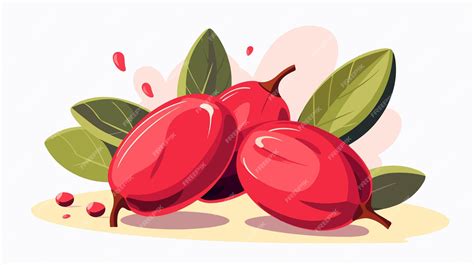
Synsepalum dulcificum is a shrub that grows 1.8-4.5 m (5.9-14.8 ft) in height and has dense foliage. Its leaves are 5-10 cm (2.0-3.9 in) long, 2.0-3.7 cm (0.79-1.46 in) wide, and glabrous below, clustered at the ends of the branchlets. The flowers are white, and it carries red, 2 cm (0.79 in) long fruits. The plant grows best in soils with a pH as low as 4.5 to 5.8, in an environment free from frost and in partial shade with high humidity. The seeds need 14 to 21 days to germinate. The plants first bear fruit after growing about 3-4 years and produce two crops per year after the end of the rainy season.
Distribution, Ecology, and Pests
In Africa, leaves are attacked by lepidopterous larvae, and fruits are infested with larvae of fruit flies. No major diseases have been identified as a problem yet, though pests can occur in some regions. The fruit is notable for containing miraculin, the protein responsible for taste modification, which is concentrated in the pulp of the berry.
Safety, Regulation, and Legal Context
Since 2011, the United States FDA has imposed a ban on importing Synsepalum dulcificum (specifying 'miraculin') from its origin in Taiwan, declaring it an "illegal undeclared sweetener." Regulatory status around the world varies, and guidance from health authorities should be consulted before use in dietary or medical contexts. Miracle fruit is not frost-tolerant and requires acidic soil to thrive; for cultivation in non-native regions, container growing with careful management of soil pH and humidity is common practice.
Potential Health Benefits and Uses
Miracle fruit contains a chemical that affects taste receptors in the tongue, making sour tastes register as sweet. In foods, miracle fruit is used as a natural, low-calorie sweetener. Some sources discuss potential applications for diabetes, obesity, taste disturbances in cancer patients, and other conditions; however, robust scientific evidence supporting these uses is limited. The miraculin protein and related compounds may influence appetite and taste perception, which could help some individuals manage sweet cravings or modify dietary intake. Antioxidant properties linked to polyphenols and flavonoids are also mentioned in various discussions of the fruit and its relatives.
Practical Growing and Home Cultivation
Miracle fruit is slow-growing and often begins producing after 3 to 4 years, with harvest commonly from May through October in warm conditions. The plant can be grown in pots or in the ground in suitable climates such as subtropical regions. In container culture, provide full sun to part sun or bright indirect light, and use acidic, well-drained soil with a pH of 4.5 to 5.8, such as peat-based or pine bark-based mixes. Water with rainwater or low-mineral water to keep the soil evenly damp but never swampy, and avoid heavy alkaline soils. Regularly apply an acid-loving fertilizer and provide supplemental irrigation during dry periods. Pruning and proper spacing can help maximize fruiting; hand-pollination can boost fruit set in good conditions. When harvesting, pick berries when they turn fully red and use them fresh by rolling the pulp over the tongue, discarding the seed. Extra berries can be frozen or freeze-dried for later use.
In regions like Florida, miracle fruit is often grown in containers as a patio or indoor plant, with winter protection during freezes. The plant’s appearance includes glossy evergreen foliage and small white flowers, followed by red berries containing miraculin in the pulp. Start with a small pot (6-8 inches) and gradually repot as roots fill the container, refreshing the acidic growing medium rather than disturbing delicate roots too much. For indoor growing spaces, provide bright filtered light rather than direct hot sun, and maintain a warm, humid environment.
Practical Experiments and Common Experiences
To experience the miracle, test with sour foods after consuming the berry, such as a slice of lemon, to notice the altered sweetness perception. This effect can be a playful tasting experiment in culinary contexts or a potential aid in exploring taste modification in diet planning.
Table: Key Facts at a Glance
| Aspect | Detail |
|---|---|
| Common name | Miracle fruit, miracle berry |
| Scientific name | Synsepalum dulcificum |
| Family | Sapotaceae |
| Native region | Tropical Africa |
| Active compound | Miraculin (glycoprotein) |
| Effect duration | Up to ~2 hours |
| Growth habit | Shrub 1.8-4.5 m tall |
| Soil pH | 4.5-5.8 (acidic) |
| Fruit color | Red berries |
Conclusion (informational context only)
Miracle fruit (Synsepalum dulcificum) is a unique plant whose berry contains miraculin, a protein that transiently alters taste perception to make sour foods taste sweet. Its cultural history, cultivation needs, and regulatory considerations shape how it can be used today, whether as a curiosity, a potential dietary aid, or a culinary novelty. While the scientific exploration continues, the fruit remains a striking example of a natural taste modifier with a long history in African traditions and modern interest in alternative sweeteners.