Lantana is beloved for its bright flowers that last all summer long and for its reputation as an easy-care shrub. Unfortunately, even lantana can get diseases and needs gardener care. Many times, the disease results from inappropriate cultural care. Read on for a discussion of lantana plant diseases and tips for treating diseases in lantana. Even low-maintenance lantana will suffer if you don’t treat it appropriately. Your first defense against diseases that affect lantana is to learn what lantana needs to thrive and provide it. Generally, this includes a sunny location with well-draining soil. Otherwise, it may come down with one of the following diseases of lantana plants.
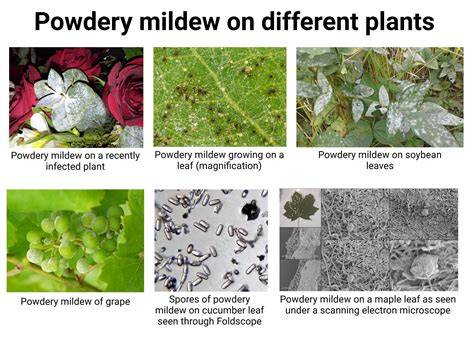
Powdery Mildew: symptoms, causes, and management
Powdery Mildew - Lantana loves sun and should not be grown in shade. If you grow this vigorous plant in a shady area, it may come down with powdery mildew. You can recognize this fungal disease by the white or gray powdery substance that covers its leaves and stems. This disease, like many lantana plant diseases, doesn’t usually kill the plant. However, it may cause distorted, discolored leaves. For powdery mildew, treating diseases in lantana is not difficult. You can control powdery mildew by rinsing off the plants as soon as you see the symptoms. Then you should apply neem oil to the leaves every few weeks.
Powdery Mildew and weather patterns - Powdery Mildew is most often a problem for plants when they are growing in the wrong conditions. Lantana requires at least 8 hours of full sun exposure and does not tolerate soils that are slow to drain. When nighttime temperatures are dramatically cooler than the daytime hours powdery mildew may make an appearance on a wide range of ornamental and edible plants in the garden. Low humidity allows the spores to easily be carried on the wind to infect parts of the plant and its neighbors. Spring and late summer or early fall are the two most common periods of Powdery Mildew outbreaks. Most infections will not result in anything other than cosmetic damage. Small white specks on the top of leaves eventually grow into large masses that cover both sides of the foliage. Stems and flowers can also be covered in the spore growths. Removing the affected foliage as soon as possible is the best way to control an outbreak of Powdery Mildew. Since the spores can move easily in the air, watering the plant down carefully before removing affected foliage will help to contain the spores better. Powdery Mildew needs dry air, not humidity. Do not remove more than ⅓ -½ of the leaves at a time. If a plant is very badly infected consider removing it entirely from the garden and disposing in the trash or community composting bin.
Botrytis Blight (Grey Mold): identification and control
Botrytis Blight - Botrytis blight, also called gray mold, is another of the fungal diseases that affect lantana. It is caused by excess moisture. Generally, plants do not get this disease if you avoid overhead watering. If your lantana has botrytis blight, you’ll see wet, brown spots on the leaves that soon get covered over by gray mold. You should treat this disease with a fungicide that contains fenhexamid or chlorothalonil. Botrytis is also commonly known as Grey Mold. This fungal disease is common in most garden soils and becomes very active during periods of cool temperatures and high humidity. Broken stems, rotten leaves, and spent flower heads that are allowed to lay on the soil and not removed are the ways in which Botrytis take hold of a plant. Most often Botrytis is a disease found in cramped growing conditions of a greenhouse or hoop house tunnel. The fungal spores overwinter in the soil and will become active the following season. Specks of brown or bronze appear on foliage and flowers, typically after a period of wet and cold weather. Flowers may die off faster than normal. The spores will spread covering plant parts in a fuzzy greyish mold that rots away stems and flowers.
Other problems and diseases of lantana plants
There are a few other diseases that affect lantana. One of them is sooty mold that discolors the lantana leaves. Sooty mold is most often caused by an infestation of whiteflies or similar sap-sucking insects. Treat the insects or you’ll have a hard time getting rid of the disease. If you don’t offer your lantana plants the excellent drainage they need, lantanas can get root rot. Lantana is a tender shrubby perennial that is most often grown as a warm season annual for gardeners in USDA zones 7 and lower. Although this plant is extremely low maintenance and able to survive periods of high heat and drought, some gardeners may have issues with fungal diseases late in the growing season. Powdery Mildew and Botrytis are the two most common diseases to infect Lantana. One is active when temperatures are cool at night and warm during the day with low humidity (Powdery Mildew). Powdery Mildew is most often a problem for plants when they are growing in the wrong conditions. Low humidity allows the spores to easily be carried on the wind to infect parts of the plant and its neighbors. Spring and late summer or early fall are the two most common periods of Powdery Mildew outbreaks. Most infections will not result in anything other than cosmetic damage.
Practical care tips to reduce disease risk
Overhead watering should only be done early in the day in warm weather to prevent the foliage from remaining wet during the night. Proper air circulation and good watering techniques are crucial to keep Botrytis from overtaking large plantings in a greenhouse or other enclosed growing space. Disinfect or sterilize cutting tools between cuts when cleaning up damaged material. Over-fertilizing with a high nitrogen feed encourages dense growth on plants that are generally weak and more susceptible to pests and diseases. Removing damaged plant materials as soon as possible helps limit disease spread.
- Ensure a sunny location with well-draining soil for lantana.
- Avoid overhead watering and practice careful watering to minimize leaf wetness.
- Monitor for powdery mildew in warm days with cool nights and take action early.
- Use appropriate fungicides for botrytis if symptoms appear and improve air movement.
- Control sap-sucking insects to prevent sooty mold development.
| Disease | Cause | Key symptoms | Recommended action |
|---|---|---|---|
| Powdery Mildew | Lack of sun, low humidity, cool nights | White/gray powder on leaves and stems | Rinse plants; apply neem oil every few weeks |
| Botrytis Blight | Excess moisture, poor airflow | Wet brown spots; gray mold | Use fungicide with fenhexamid or chlorothalonil; improve airflow |
| Sooty Mold | Whiteflies or sap-sucking insects | Discolored leaves; black sooty coating | Treat insects; improve drainage and plant health |
| Root Rot | Poor drainage | Wilting, yellowing; mushy roots | Improve drainage; avoid overwatering |
“Common Problems - Plant Diseases”, Washington State University Hortsense database.