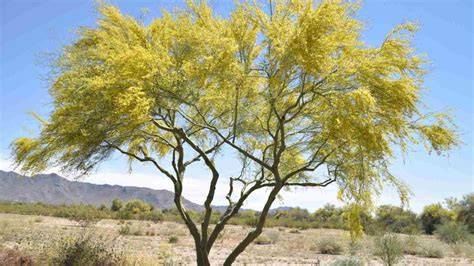
Blue Palo Verde trees (Parkinsonia florida) are stunning desert understudies known for their photosynthetic green bark, vibrant yellow flowers, and remarkable drought tolerance. This article compiles practical guidance from seed-raising experiences, propagation notes, and cultivation tips to help you grow healthy Blue Palo Verde seedlings, from scarification and soaking to watering regimes and transplant considerations.
Botanical background and climate adaptivity
Blue Palo Verde is native to washes in the low desert and thrives in a wide range of garden habitats once established. It is drought-tolerant and well-suited to full sun with well-drained soil. Its growth habit reaches roughly 10-20 feet tall and wide, and it produces yellow flowers in spring and summer that attract native bees. The species is part of the Fabaceae family and is known for its thorny structure and delicate flowering season, making pruning and care considerations important for home landscapes.
Seed collection, preparation, and scarification
Palo Verde seeds are leguminous and stored inside seed pods that dry to tan in the fall. When harvesting, cleaning and storing, inspect seeds closely and discard any damaged by pests or fungus. The seeds have a hard outer coating that must be scarified for proper germination. Methods vary, including acid scarification, sanding, nicking with a knife, or slight cuts with a blade. For large-scale propagation, a soaking method has proven more efficient and effective: soak seeds in boiling water to soften, then wrap softened seeds in moist paper towels and seal in a plastic bag in a dark place until ready to plant. This approach can soften many seeds with less effort compared to mechanical scarification. After imbibition, the seeds germinate in a few days to a couple of weeks, depending on temperature and moisture.
Germination technique: soaking, paper towel method, and timing
Newborn Palo Verde seedlings benefit from a controlled germination environment. Soaking seeds in hot water and then wrapping them in moist paper towels inside a plastic bag creates a reliable germination routine. In warm conditions, most seeds germinate within a couple of days; once germinated, plant with the root end down in soil at a depth of about 1/4 to 1/2 inch. Maintain moisture and provide protection from harsh elements until roots establish. This method has yielded high germination rates and reduced handling risks for thousands of seeds.
Transplanting and initial care for seedlings
Transplant small seedlings into well-draining soil as soon as they are robust enough to handle handling stress. If transplanted too early, fragile roots may suffer; otherwise, keeping them in cups or flats with good drainage can protect tender roots. The key is to avoid overwatering while ensuring the top several inches of soil dry between waterings. Provide shade and wind protection for young plants, especially in hot climates, and gradually acclimate them to outdoor conditions to reduce transplant shock.
Be patient. Even if seedlings seem slow or stalled, as long as they stay green, they are still growing. After germination, the plant’s vigor depends on consistent moisture management, light exposure, and soil drainage. In the short term, avoid overwatering and protect seedlings from heat-induced drying, particularly if they are still in cups or shallow containers. In coastal climates such as Galveston, TX, microclimate differences mean you may need to adjust irrigation frequency and intensity compared to desert settings.
Watering strategy for potted Blue Palo Verde seedlings
During the seedling stage, water deeply but infrequently, allowing the top several inches of soil to dry between waterings. In containers, monitor moisture more closely, because pots can dry out quickly in warm weather. The goal is to keep roots hydrated without creating soggy conditions that promote root rot or fungal problems. If the seedlings appear fragile or growth has stalled, assess root health and soil drainage; improving drainage and reducing surface moisture can support root recovery and new growth.
Ground planting considerations and pruning caveats
When establishing Palo Verde trees in the ground, provide shade and wind protection for young trees, and water intermittently after planting to support root establishment. Once established, they require little supplemental water, which makes them particularly drought-tolerant. However, there are drawbacks: pruning can be difficult due to thorny branches, and yellow flowers can smother areas beneath the tree. They are also relatively brittle and can break in strong winds, so consider structural balance and placement in landscapes with sufficient wind tolerance.
Harvesting, seed storage, and quality checks
Seeds should be stored in dry, cool conditions, with damaged or pest-infested seeds discarded. After drying, pods yield glossy brown seeds that are ready to scarify or soak for germination. During processing, inspect seeds for uniformity and viability to optimize germination success in subsequent batches.
Practical summary: steps to improve seed germination and seedling vigor
- Scarify or scarify-plus-soak the seeds to break the hard outer coating and improve germination rates.
- Use the moisture-soaked paper towel method for large seed lots to streamline germination.
- Transplant germinated seeds into fast-draining, quality soil at a shallow depth (1/4 to 1/2 inch).
- Provide shade and wind protection for seedlings; water deeply but allow the topsoil to dry between waterings.
- Avoid overwatering, especially in containers; ensure containers have drainage to prevent root rot.
- Acclimate seedlings gradually to outdoor conditions if starting indoors to reduce shock.
Notes on practical observations from readers and growers
Be mindful that the Blue Palo Verde grows slowly in early stages but can become a striking landscape tree once established. If a seedling remains small and non-growing for an extended period, check for root disruption from paper towel interference or damage during handling, and ensure the growing environment is not overly dry or waterlogged. Observing leaf color as a growth indicator helps; as long as the leaves remain green, growth is occurring, albeit slowly. In climates like coastal Texas, heat can cause rapid surface drying, so provide adequate shade and soil moisture management to maintain healthy growth phases.
Table: quick reference for Blue Palo Verde seedling care
| Stage | Watering | Light | Soil | Notes |
|---|---|---|---|---|
| Seed germination | Keep evenly moist, not soggy | Moderate to bright indirect | Moist, well-drained | Scarify or soak seeds; watch for germination |
| Early seedling | Deep watering, then allow top 2-3 inches to dry | Bright light | Fast-draining soil | Shade from harsh sun if in hot climates |
| Potted growth (2-6 weeks) | Keep evenly moist but not waterlogged | Strong grow light or bright sun | Quality, well-draining potting mix | Patience; roots recovery after any disturbance |
| Transplanting outdoors | Water deeply after planting; regular moisture until established | Full sun after acclimation | Well-drained soil | Protect from wind; monitor for transplant shock |