Peve Multicolor is a captivating cultivar of Acer palmatum that has captured the attention of maple enthusiasts for its variegated leaves, striking seasonal shifts, and adaptable growing habits. Reported to have emerged in Eastern Europe, it has since become a topic of discussion among gardeners worldwide who are curious about its origins, care requirements, and performance in different climates.
Origin, identity, and a note on mislabeling
In conversations about Peve Multicolor, many growers emphasize its mixed heritage and the occasional uncertainties around provenance. Some observers noted that the cultivar was not selected in Eastern Europe as initially stated, and there have been reports of plants being mislabeled, particularly regarding variegation levels. Over the years, the cultivar has demonstrated a recurring tendency: leaves can shift from highly variegated to mostly green in certain conditions, with changes sometimes occurring year to year. This variability can add to the intrigue, but also to the challenge of maintaining a consistent display from season to season.
Appearance and seasonal color changes
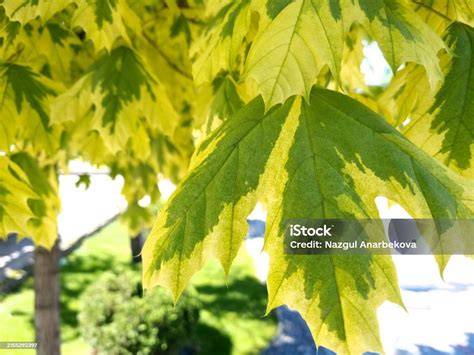
Peve Multicolor is described as a broadleaf deciduous tree with foliage that can display green, pink, variegated, and white tones. In spring, the new growth often shows a unique blend of colors and a reticulate pattern, which has been a highlight for many observers. As summer progresses, some plants exhibit dark green veins and pale green, nearly white leaf margins, producing a contrasting look that resembles a pale, reticulated network against greener tissue. In early spring photos from some growers, the cultivar’s colors are particularly vibrant, while in hotter periods or under different light, the variegation can recede, and leaves may take on a more uniform green appearance. The plant may rebound and regain variegation in subsequent years, a behavior observed in both Peve Multicolor and closely related Ukigumo cultivars.
Growing conditions and performance
Peve Multicolor is described as a broadleaf deciduous tree that performs best when planted in sun to dappled shade with regular watering. It tolerates a range of soils-from acidic to well-drained, rich soils-though the overall health and color display can be influenced by light, moisture, and seasonal weather. The cultivar seems to appreciate protection from harsh afternoon sun in hotter climates, particularly in regions that experience heatwaves, while still enjoying bright mornings. For gardeners in areas with high humidity, this cultivar can be a suitable option, provided soil moisture is maintained and conditions are not consistently overly wet or dry.
Size, form, and landscape uses
Reported mature sizes for Peve Multicolor vary across sources, with estimates ranging from compact trees to small to medium-sized specimens. Typical uses include adding fall color, providing a unique foliage statement due to the variegation, and serving as a focal point in mixed borders or woodland garden settings. Its versatility pairs well with other ornamental maples, especially those that share complementary variegation or pink-toned new growth, such as Ukigumo, which has been noted for its own striking reticulation patterns. When designing a planting, consider climate, sun exposure, and the potential for color shifts year to year to maximize visual impact.
Cultivation notes and practical tips
- Sun exposure: morning sun with afternoon shade is a common recommendation to help the plant maintain variegation and prevent leaf burn in hotter climates.
- Watering: regular watering is important to sustain the delicate variegation and overall vigor, particularly during establishment and periods of drought.
- Soil: adaptable to acidic, average, and rich, well-drained soils. Avoid consistently heavy, poorly drained soils that can stress the plant.
- Humidity: relatively humidity-tolerant when watered adequately, though extreme conditions can influence leaf coloration patterns.
- Quarantine and shipping considerations: for collectors importing plants, there are regulatory steps to consider, including potential washing of soil and sanitation procedures in some jurisdictions. Scions can be exchanged where allowed since they do not contain soil, but shipping rules vary by country and must follow local plant health regulations.
Observations from gardeners and season-to-season variability
Growers often report that Peve Multicolor can take several years to reveal its full potential, with color intensity and pattern evolving over time. Some observers note a remarkable “recovery” of variegation after a period of reduced coloration, while others report stable, high-contrast variegation in favorable conditions. The plant’s tendency to revert to greener foliage in certain years and then bounce back provides an intriguing dynamic element to a garden, especially when paired with other variegated or pink-toned maples.
Floral and fauna associations
Although primarily grown for foliage, Acer palmatum cultivars like Peve Multicolor can contribute to garden biodiversity by attracting beneficial insects and birds. Their seasonal changes also provide a dynamic backdrop for companion plantings and seasonal garden storytelling.
Practical considerations for international buyers
While Peve Multicolor has garnered interest from growers outside the United States, prospective buyers should verify current import regulations, quarantine policies, and phytosanitary requirements in their country. Some regions require specific treatment or testing for live plant shipments, and costs may include soil washing and certification. For some buyers, scion exchanges offer a pathway to sharing plant material without soil, subject to local rules and health checks.
Conclusion: a cultivar with evolving charm
Peve Multicolor stands out for its alluring variegation, seasonal color shifts, and adaptability to a range of light and soil conditions. Its history-shaped by reports of mislabeling, seasonal variability, and cross-cultural interest-adds layers of narrative to its horticultural appeal. For gardeners seeking a visually striking maple that can pair with other pink-tinged or reticulate maples, Peve Multicolor offers a distinctive option with a dynamic display that rewards patience and attentive care.
CRAZY COLORS! 10 Highly Sought-After Japanese Maples Including Peve Multicolor!| 10@10 Drop
tags: #peve #multicolor #japanese #maple