Philodendron Orange Marmalade is a striking tropical plant known for its vibrant orange and yellow marbling. With proper care, it becomes a standout feature in bright indoor spaces.
Light and placement
Philodendrons like their soil to dry out a bit between waterings. Water when the top 1-2 inches of soil are dry. Philodendron Orange Marmalade prefers bright, indirect light. An east- west or north-facing window is ideal, but they’ll tolerate low light too. If there is no access, a north-facing window will work too.
Watering and humidity
Water when the top 2 inches of soil are dry. After shipping, start it in medium-bright light and increase gradually over 1-2 weeks. Water when the top 2 inches of soil are dry. After shipping, allow slightly longer dry periods while the roots adjust. This variety is prone to overwatering during acclimation, which can lead to yellowing or soft leaves. This plant does best in moderate to high humidity (60-75%). Stable humidity supports smooth leaf unfurling and helps prevent stress after transit.
Temperature and environment
Ideal temperatures range from 68-85°F. Philodendron Orange Marmalade prefers warmth and consistency. Use a chunky, well-draining aroid mix with orchid bark, perlite, and coco coir to promote airflow around the roots. A pot with drainage holes is essential. It’s normal for this plant to pause growth after shipping. New leaves may emerge smaller or with less color at first and improve as the plant stabilizes.
Soil, repotting, and roots
Use a chunky, well-draining aroid mix with orchid bark, perlite, and coco coir to promote airflow around the roots. Repot every 1-2 years or when the roots outgrow the pot. If the substrate stays wet and heavy, extend the dry-down time and move to a chunkier mix. A pot with drainage holes is essential.
Pruning and propagation
Prune back any leggy vines to encourage a fuller plant. After shipping, growth can pause; pruning helps maintain a robust shape. For propagation, take cuttings from healthy, non-woody growth and root in a well-aerated mix.
Acclimation and troubleshooting
New leaves may emerge smaller or with less color at first and improve as the plant stabilizes. Avoid frequent movement or repotting during the acclimation period. Dull or faded coloration → light may be too low. Yellowing leaves → excess moisture or poor drainage. Drooping leaves → temperature stress or recent shipping. Misshapen new leaves → low humidity during unfurling.
In case of pests, gently wipe the leaves with a damp cloth or use a cotton swab to remove them. It is also normal for older leaves at the base to yellow and drop as the plant matures-simply trim them off with clean scissors.
Care overview
- Light: Bright, indirect light; tolerance to lower light but with slower growth
- Water: Top 1-2 inches dry between waterings; ensure drainage
- Humidity: Moderate to high (60-75%), stable indoors
- Temperature: 68-85°F (20-29°C)
- Soil: Chunky, well-draining aroid mix with orchid bark, perlite, coco coir
- Pot: With drainage holes
- Repotting: Every 1-2 years or when roots outgrow the pot
- Pruning/Propagation: Prune leggy vines; propagate from healthy cuttings
Common color changes and what they mean
- Dull or faded coloration - light may be too low
- Yellowing leaves - excess moisture or poor drainage
- Drooping leaves - temperature stress or recent shipping
- Misshapen new leaves - low humidity during unfurling
Shipping and acclimation notes
After shipping, start it in medium-bright light and increase gradually over 1-2 weeks. This variety is prone to overwatering during acclimation, which can lead to yellowing or soft leaves. It’s normal for this plant to pause growth after shipping. New leaves may emerge smaller or with less color at first and improve as the plant stabilizes. Avoid frequent movement or repotting during the acclimation period.
Additional care details
These plants ultimately benefit from patience after shipping. Stable humidity supports smooth unfurling of new leaves and helps reduce stress after transit. For those growing indoors, regular housekeeping like dusting leaves helps maintain light absorption and overall vigor.
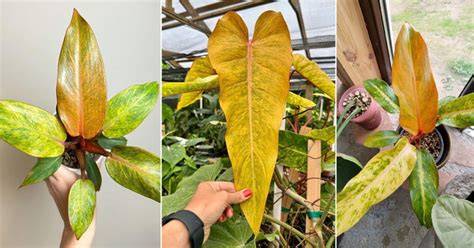
PHILODENDRON ‘ORANGE MARMALADE’Proven Care, Variegation Stability & Growth Strategy
tags: #philodendron #orange #marmalade