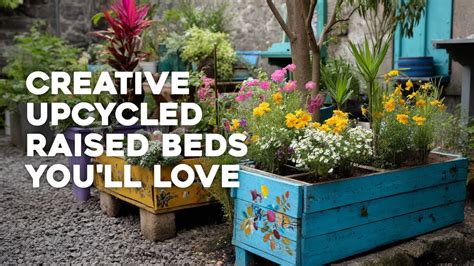
Upcycled raised garden beds perform multiple functions. They are an excellent way of using items that would otherwise be thrown away. But they also raise gardening tasks up to the gardener, reducing back strain and assisting persons with disabilities. Repurposing by building recycled raised beds is only limited by one's imagination. Many common items make perfect recycled garden beds that will add whimsy and charm to the landscape.
Recycled Raised Bed Ideas
When spring cleaning time comes around, we often find items that are not used. Consider using some of these for recycled raised bed ideas. Even an old bucket can make a perfect mini, recycled plastic raised garden bed. Sources for materials might also include construction sites, grocery stores, transport companies, and other areas where excess items go unused. Pretty much anything that can hold enough soil for root growth may be used to make a planter or raised bed.
An old wagon, a bathtub, old washtub, bricks, concrete blocks, water troughs, stones, door panels, pallets, unused dressers, and much more, can be turned into functional and interesting planting spaces. Many gardeners use old tires, but be careful since these contain toxic substances which will leach into soil. Railroad ties are another material to watch for, especially if using them to make a vegetable bed. Natural materials, such as a hollowed out stump, are generally safer for planting than manmade items.
As mentioned, soil depth is important, but so are several other key characteristics. Plants need plenty of drainage so roots don't get rotten. Drill several holes in the container. If using a metal or other heat-conducting item, make sure your plants can take the heat. Ensure your soil mixture is correct for the variety of plants. When selecting an item for a raised bed, determine if it will be a long term or short term site. Many items will break down and aren't suitable for long term gardening goals. It is a good idea to line any wood or basket type material with weed barrier fabric to slow break down and plug any side holes. Whatever vessel or material you’ve selected, place it in its site before filling with soil or amending the existing soil if it is bottomless.
Basic Recycled Raised Beds with Pallets
Wood pallets are durable and a dime a dozen. Once you have acquired your pallets they need to be screwed together to form a raised barrier. Use good outdoor wood screws. It may be a good idea to run strips of wood vertically at each joint site to reinforce the structure. Around the inside, staple fabric such as weed barrier or shade cloth to contain the soil. Amend the base soil as needed with compost or other amendments and then back fill up to the level you require. That is all there is to it. You may opt to paint the wood pallets or leave them natural.
This page may contain affiliate links. Build your ultimate garden no matter where you live! Find inspiration with these creative, easy & inexpensive DIY raised garden bed ideas. While we have been patiently waiting on the new home to wrap up, our garden plans have been scaled way back. But I still wanted to make sure I had a few essentials growing. So, we are doing a couple of small (ish) planters out of old cattle feed bunks that my husband found on the ranch.
Update: this post was originally written in May, 2020. It is updated with additional raised beds ideas and helpful tips for building your home garden. I love the idea of finding something old and giving it new life. So these up-cycled ideas for the garden are great ways to use up what you have or sourcing some inexpensive materials. Our garden has evolved over the past four years by starting out slowly with frugal and DIY projects. It now currently has a combination of DIY + galvanized metal raised beds.
More Upcycled Bed Types and Examples
- Pallet Beds: Use old wood pallets to create raised beds. They can often be obtained for free or at a low cost. Be sure to check that they are not chemically treated wood.
- Concrete Blocks: Stack concrete blocks to form the walls of your raised bed. They are affordable, easy to find, and their hollow centers can double as additional planting space. Modern blocks are generally safe for gardening; older blocks may contain materials to avoid.
- Old Tires: Tires can be used to create tiered beds, but safe handling is essential since soil contact with tire materials is debated. If in doubt, line or avoid food plants in tires.
- Straw Bales: Use straw bales as the walls or as the raised planter itself. They require conditioning before planting, typically with water and nitrogen-rich fertilizer.
- Old Bathtubs: Charming, vintage-style beds that recycle a large container into a productive space.
- Railroad Ties: Durable walls for a long-lasting bed; check treatment to avoid leaching chemicals.
- Stock Troughs: Galvanized water troughs offer rustic aesthetics and practicality; drill drainage holes and layer with compost for cost savings.
- Reclaimed Wood: Scrap lumber or salvaged barn wood creates versatile and economical beds; consider heat-treated pallets to avoid chemicals and choose wood that withstands moisture.
- Old Dressers: Drawers can become individual planting sections or the dresser laid flat as a multi-chamber planter.
- Woven Willow: Whimsical beds built from long willow branches woven around stakes for a fairy-tale vibe.
- Rock Wall Beds: Terraced beds built from stacked rocks for a natural, low-maintenance garden feature.
- Wood Packing Crates: Heavy wooden crates can be repurposed into sizable raised beds with backboards and soil mixes.
- Foam Blocks: Large foam blocks repurposed with spray foam and a concrete veneer create lightweight, stone-like planters.
- Plastic Storage Bins: Durable plastic bins or tubs can become long-lasting raised beds in a pinch.
- Bags and Sacks: Reusable bags or fabric sacks turned into planters with drainage slits offer portable, space-saving options.
Understanding Raised Bed Basics
Understanding raised bed basics helps maximize benefits. Raised beds are elevated garden plots that sit above the ground, typically enclosed by a frame to hold the soil in place. These structures allow gardeners to create a controlled growing environment, making it easier to manage soil quality, drainage, and plant spacing. Raised bed gardening is popular because it offers a versatile solution for both small and large gardens, enabling efficient use of space and providing better access for planting, weeding, and harvesting.
Benefits include improved drainage and soil aeration, reduced weed growth and soil compaction, and enhanced accessibility. The ergonomic height reduces bending and kneeling, benefiting gardeners with mobility needs and aging bodies. Raised beds also allow gardening in areas with poor soil conditions, such as rocky or clay-heavy sites.
When choosing bed types, distinguish between classic raised beds, which rest directly on soil, and planters with integrated bottoms designed for patios or balconies. Raised bed planters are more portable and suitable for compact spaces, herbs, and flowers. For larger configurations, consider raised vegetable beds with typical dimensions such as 3 x 6 feet or 4 x 8 feet, which also facilitate irrigation planning.
Other considerations include swath perimeters, sun exposure (aim for at least six hours of sunlight daily, while not ignoring shaded spots that can still host certain crops), and drainage. Soil is vital: use high-quality compost and garden soil, and ensure drainage holes in enclosed containers. Cedar beds offer rot resistance and long life, while metal beds provide durability and a sleek look. Composite beds blend wood fibers and plastic for stability and low maintenance, and recycled plastic beds offer sustainability with light weight and weather resistance.
Materials to Use and How to Choose
Wood, especially cedar and redwood, remains a favored choice for its natural insulating properties and ease of customization. Metal options like galvanized steel or aluminum deliver longevity and a modern aesthetic. Composite beds provide stability and good root insulation, while recycled plastic beds emphasize environmental considerations and low upkeep. Your choice should reflect aesthetics, budget, maintenance, and safety, particularly regarding chemical treatments and potential leaching.
Height and design should align with gardening habits and physical comfort. Beds that are too high can be hard to reach; those too low may not deliver ergonomic benefits. Start with a plan, determine sunlight and drainage, and then choose materials that fit your space and capabilities. Regular maintenance includes adding compost, monitoring for pests and disease, and practicing crop rotation to prevent disease buildup.
Practical Tips for Building and Maintaining
- Place the bed on a level site and consider future access needs, especially for aging gardeners or those with mobility challenges.
- Line wood or basket materials with weed barrier fabric to slow down decomposition and regulate soil leakage.
- Drill drainage holes in any enclosed container to prevent waterlogged roots.
- Test soil depth and amend with compost or organic matter to support robust root growth.
- When using heat-conducting metals, ensure plant selections tolerate higher temperatures or shade accordingly.
Finally, remember that gardening with reclaimed materials is as much about creativity as it is about practicality. The journey often reveals unique features and stories that add character to your landscape. Feel free to adapt your beds as you learn more about your plants and local conditions. This approach makes DIY raised beds affordable, functional, and full of personality.