Agapanthus, commonly known as Lily of the Nile or African Lily, is a strikingly beautiful and hardy perennial native to South Africa. The plant features a habit of dense clumps of strap-like, evergreen, or deciduous leaves from which emerge tall, upright stems bearing clusters of funnel-shaped flowers in shades of blue, purple, or white.
Overview and appearance
Showy and exotic looking perennial from Southern Africa with 5" wide cluster of white flowers. Wide clumps of fresh green leaves, long bare stems with clusters of blue flowers from.
Blooming Time: mid summer to early fall. Size: 36-40" tall x 28-30" USDA Zones: Hardy in zones 6 to 10 - survived 7 winters in Zeeland Michigan (Walters Gardens).
Hardiness and climate
The hardiness of Agapanthus varies by species. Some can tolerate temperatures down to USDA zone 7, while others prefer the milder climates of zones 8 to 11.
Culture notes indicate full sun and average soil amended with some organic matter, with loamy soils and a slightly acidic to neutral pH. Moisture needs range from average moisture (medium) to slightly moist (medium-moist).
Winter considerations
Still, some winter protection is recommended (leaves, straw, mulch). In regions with colder winters or harsh conditions, practical protection helps maintain vigor and ensures more reliable spring growth.
Culture and growing conditions
Culture: Full sun, average soil amended with some organic matter, loamy soils. Slightly acidic to neutral pH.
Origin: Southern Africa. Deer/Rabbit Resistant: Plant is considered deer and rabbit resistant, but in areas with overpopulation deer was reported browsing.
Uses and landscape applications
Uses: Agapanthus is extremely versatile. It can be a dramatic focal point when planted in groups in borders or large containers. Due to its strong vertical growth, it can add contrast when planted among low-growing shrubs or groundcovers.
Plant Combinations: Best in sunny border, can be combined with many common perennials and grasses. Great for patio containers, cottage, eclectic and rain gardens.
Maintenance and care
Benefits: The benefits of Agapanthus extend beyond its aesthetic appeal. It’s a low-maintenance plant requiring little beyond regular watering and an annual feed. Also, it’s generally disease-free and deer-resistant, an important consideration for many gardeners.
Propagation and growth habit
The plant features a habit of dense clumps of strap-like leaves with tall bare stems and showy flower clusters. It’s well adapted to garden beds and container culture alike, offering vertical interest and a bright focal point during blooming.
Notes on seasonal care
In cooler regions, limited protection and mulching help preserve crowns through winter. In warmer climates, irrigation should be timed to keep soil evenly moist without waterlogging.
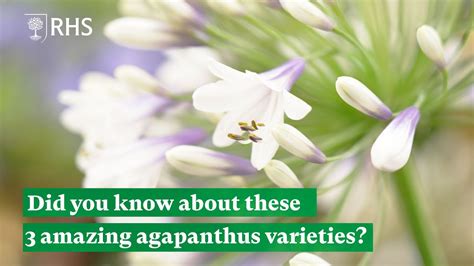
Overall, Agapanthus Lily of the Nile White combines dramatic flowering, reliable hardiness for many regions, and versatile usage in borders, containers, and mixed sunny gardens. Its clean evergreen or semi-evergreen foliage provides year-round structure, while the white flower clusters offer an elegant, bright accent in summer landscapes.