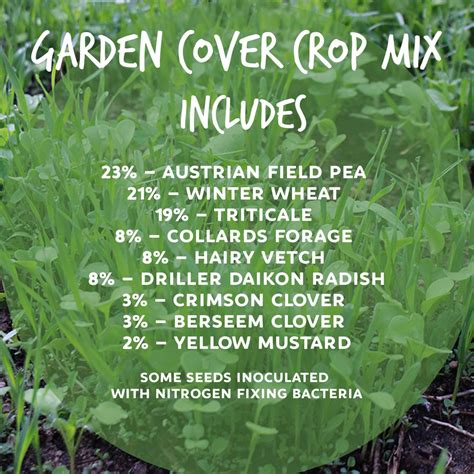
Austrian winter peas are a cool-season legume prized for nitrogen fixation, soil structure improvement, and versatile uses in cover crop mixes, forage, or wildlife plots. These cold-hardy seeds thrive in loamy, well-drained soil and grow quickly, forming dense, low-growing vines with lush green foliage and pink-purple blooms that attract pollinators.
Why Austrian winter peas are valuable as a cover crop
Known for their nitrogen-fixing ability, these field peas pair well with oat seeds or other small grains in cover crop seed mixes, boosting soil fertility for subsequent crops. Their vines can reach 2 to 5 feet in fertile soils, creating a dense canopy that protects soil from erosion and suppresses weeds. By fixing atmospheric nitrogen through symbiosis with rhizobia bacteria, they store nitrogen in the soil which is released when the plants are terminated or incorporated as green manure.
In addition to soil health, Austrian winter peas contribute to soil structure and tilth, enhancing drainage through root channels and providing a mulch-like residue when chopped and dropped. Their growth supports beneficial pollinators with delicate pale-pink flowers, while deer and other wildlife find them highly digestible and nutritious, making them a popular choice for deer food plots.
Key agronomic and ecological traits
- Cool-season annual legume suitable for USDA zones 2-8, hardy to low temperatures and able to overwinter in milder areas.
- Excellent for cover crops in raised beds, gardens, fields, and fall-planted seed mixes.
- High nitrogen fixation (often 20-30% crude protein in the foliage) supports soil fertility and reduces the need for synthetic fertilizers.
- Can be grown alone or with oats or small grains; commonly used as part of green manure or wildlife-friendly plantings.
- Vine growth can be dense, with blossoms in bi-colored pink-purple and maroon hues; foliage is pale green.
Planting guidelines and management
Seeds are typically sown at 75-100 lbs per acre when used as a standard broadcast or drill-ready cover crop; a common seed rate for Austrian winter peas is around 75-100 lbs per acre in fields and 1 oz to 50 lb bags for smaller plots. For best establishment, inoculate seeds with a pea- and bean-specific nitrogen-fixing inoculant, coat seeds with inoculant, scatter evenly, and lightly rake to a depth of about 1/2 to 1 inch. Keep the seedbed moist until germination.
Planting windows vary by climate; in cold climates seed about 4-6 weeks before the first hard frost to establish before winter, while in milder climates sowing can extend into late October. Austrian winter peas can tolerate brief exposure to 0°F (-18°C) and will overwinter if temperatures stay above roughly 10°F (-12°C) for extended periods. In spring, they can be terminated or incorporated as green manure to release stored nitrogen into the soil for the following crop.
When growing with a small grain mix, sow two rows of winter peas spaced 10 inches apart to accelerate soil cover, leaving a blank row for the main crop such as corn. Termination timing is crucial: some growers terminate before flowering or at early flowering to prevent seed set, then chop and mulch the residue into the bed as a mulch, letting the green matter decompose into the soil over 3-6 weeks before planting the next crop. A “ Chop and drop” approach helps mulch the bed and conserve soil moisture and nutrients.
Practical cultivation tips for best results
- Coat seeds with a soil inoculant designed for peas and beans to maximize nitrogen-fixation efficiency.
- Scatter seeds evenly, lightly rake to 1/2-1 inch, and keep the bed moist until emergence.
- Use well-drained loam soils; ensure adequate moisture, especially during germination and establishment.
- Consider including oats or other small grains to improve biomass production and weed suppression.
- Monitor flowering; cut down at flowering but before pods form to maximize soil nitrogen release and prevent reseeding unless intended.
- Terminate with appropriate timing when integrating with the main crop, or leave to decompose as green manure for soil-building benefits.
Planting timing and regional considerations
In colder regions, sow in fall to establish before winter and overwinter if conditions allow; in milder regions, spring sowing is feasible to provide ground cover and early-season biomass. Alpine and northern climates may require earlier fall sowing to establish before hard frosts, while southern regions can focus on late-fall or early-spring plantings depending on frost dates and crop rotation plans. The viability of stored seed can degrade quickly, so use fresh seed if possible and consider spring plantings to avoid winter kill risk.
Potential drawbacks and considerations
Fall planting can be busy due to harvest schedules, and cover crops like Austrian winter peas consume soil moisture that might be needed by the main crop, particularly in drylands. There is a risk of poor establishment if there is insufficient soil moisture or suboptimal inoculation. In colder climates, winterkill is possible if temperatures plummet or if snow cover is insufficient to insulate plants; frost cloth or row covers can extend growth and stability through winter in some regions.
Additional context and related practices
Austrian winter peas are frequently used in combination with other cover crops such as oat, hairy vetch, or other legumes to enhance soil fertility and biomass. They are effective as a green manure crop, building humus and organic matter in the soil, improving tilth, and reducing erosion risk. Integrating them into a broader crop-rotation plan can improve soil structure and nutrient cycling across seasons.