Are you wondering what those brown spots are on your hydrangea leaves? While hydrangeas are generally resistant to many pests, there are still a few diseases that can affect them. These diseases fall under the categories of bacterial diseases, fungal diseases, or viruses. While many symptoms of these diseases look similar, they have very different causes, and some have different treatment options. So, where do you begin? The first step in treating any hydrangea disease is to properly identify the problem. It’s important to note that not all hydrangea diseases are readily treatable. With some diseases, you may end up needing to replace the plant altogether. But many common diseases can be treated and successfully eradicated. Of course, the best treatment option is disease prevention.
Bacterial diseases are quite common in hydrangeas, and unfortunately, most bacterial diseases are not treatable. Bacterial diseases can spread from plant to plant, so it’s important to prevent them before they occur. Bacterial wilt can affect most species of hydrangea. Bacterial wilt disease in hydrangea occurs mainly after heavy rains and hot weather. Typically, bacterial wilt affects the flowers and leaves, but in extreme cases, the plant itself will wilt. Bacterial wilt is easily identifiable because it is one of the few diseases that directly affects the flowers. Remove infected plant tissues to prevent any further infections.
Bacterial leaf spot is similar to fungal leaf spot which we will talk about soon. Natural wounds may be from an insect or from pruning. The initial symptoms of bacterial wilt appear as water soaked spots. These spots will slowly darken and spread. Bacterial leaf spot is easy to identify. To prevent bacterial leaf spot, keep your plants and the area around them free of leaf debris. Remove any potentially infected plant tissue as soon as you notice it, and be sure to clean your clippers after. If it is necessary to remove the entire plant due to the disease, do not plant another plant in that spot.
Fungal diseases arise when a fungus takes hold of your plant. They can be difficult to distinguish from both bacterial diseases and viral diseases. Similar to leaf spot (and most fungal diseases for that matter), anthracnose likes warm, wet weather. Anthracnose will spread from water droplets splashing onto the plant. Anthracnose begins as small brown spots and will grow quickly, affecting both leaves and flowers. The centers of the spots will turn light brown and begin to look like a bulls-eye. As this hydrangea disease progresses, the spots will grow into more angular patches. Anthracnose looks a bit like leaf spot, except the color of the infection shows up as dark brown spotting on the hydrangea’s leaves. Anthracnose can be prevented by keeping your hydrangeas free of debris. Do not water overhead, doing your best to keep flowers and leaves dry. If you have diagnosed your hydrangea as having anthracnose, remove all infected debris, bag it up and throw it away. This will keep it from spreading to nearby plants. If extra treatment is needed, a copper based fungicide will help. Spray the leaves and flowers every two weeks during the growing season.
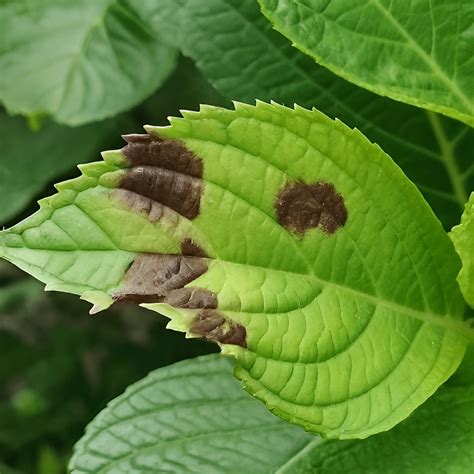
Botrytis blight is a common disease that attacks hydrangea. You will notice small wet spots on the leaves that will quickly expand into brown irregularly shaped blotches. This disease can also affect the flower buds. Botrytis blight thrives in humid and wet conditions. Also known as gray mold, this shows up as a mold on the hydrangea’s flower heads that can spread through to the leaves. The best way to prevent this fungus is by clearing plant debris from around the plant. Also, pruning away hydrangea branches that have grown too closely together will increase air flow throughout the plant. If you think your hydrangea has botrytis blight, remove any infected flower blooms or leaves. If further treatment is needed, a horticultural oil such as neem can help to keep the spread down. Fungicides are available at garden centers and can be applied as directed on the bottle.
Bud blight is a disease that can be found in areas of your garden that may receive a lot of overhead watering. Symptoms begin as water-soaked spots on petals, which turn into irregular reddish-brown blotches that may eventually cover the whole flower. Petals turn brown and fall. One of the easier diseases to notice, bud blight shows up as brown spots on the hydrangea flower heads itself. Take care when pruning or working on your hydrangea. Damaging the plants or branches can invite this disease into the plant. Avoid overhead watering by watering only around the base of the plant. Using a multi-purpose fungicide can help keep this disease under control.
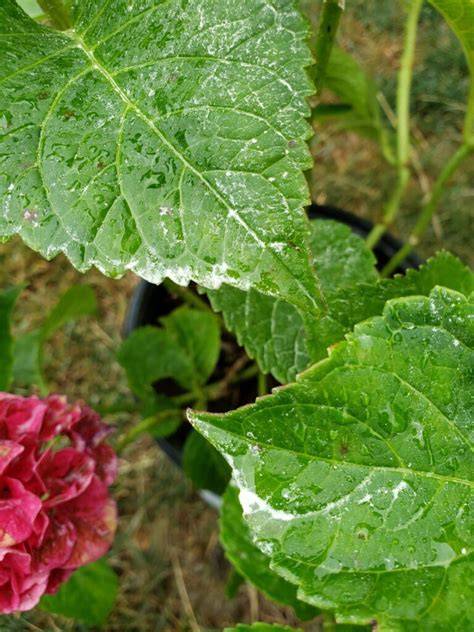
Hydrangeas are susceptible to leaf spot which can be caused by a number of different fungi. Leaf spot could present as light brown spots with a darker brown border. Fungal leaf spot looks similar to bacterial leaf spot. The difference is, this type of leaf spot can be caused by many different types of fungi. Leaf spot can be prevented by minimizing moisture on the leaves. Avoid overhead watering as much as possible. Leaf spot can be treated with pruning and applying copper based fungicides. Treat shrubs in the late spring with copper fungicides to prevent leaf spot. If you wait until leaf spot presents itself you will need to spray every two weeks. Powdery mildew can occur on all hydrangeas but is most common on bigleaf hydrangea. You will see a white fungus that resembles powder on the surface of the leaf. Powdery mildew typically does not hurt the plant, but can be aesthetically unpleasant. Prevent powdery mildew by not planting hydrangeas too closely together. Avoid overhead watering. Treatment with a fungicide may be necessary. Fungicides for powdery mildew can be found at your local garden center and should be applied when the disease is most active.
If you are paying close attention to your garden, it will be hard to miss the signs of this hydrangea disease: root rot. You will notice root rot by one or more shoots drooping and not responding to a heavy watering. Plants that are drought-stressed are most susceptible to root rot. The fungus will produce white mats under the bark or near the soil line. Root rot is a little harder to identify at initial glance, even though the symptoms are fairly straightforward. You’ll notice your plant’s leaves yellowing, and the plant showing other signs of struggle. Good growing conditions are the best way to keep your hydrangea protected from root rot. Grow your hydrangea in well-draining soil. Continue your good plant maintenance practices to help keep your hydrangea strong. There are no chemical treatments for root rot. You can try to repot your plant if there are masses of healthy roots still attached to the plant.
Rust is a leaf disease that affects Hydrangea arborescens, or smooth hydrangea. Rust is an interesting hydrangea disease as it needs two hosts to carry out its life cycle. The first thing you might notice on a plant that is infected with rust disease are brownish-orange bumps on the bottom of the leaves. Rust is easy to identify, with rusty spots on your hydrangea’s leaves. Keep your pruning shears cleaned while you are pruning a rust infected plant. Avoid overhead watering. Keep the hydrangeas clear from leaves and other plant debris around the base of the plant. Rust can be difficult to control. Remove damaged foliage.
Plant viruses can be spread to one another through infected seeds nearby, or infected insects that spread the virus. You may notice yellowing veins and interesting yellow patterns overtaking your leaves. Hydrangeas infected with this virus will have a pattern of yellow mosaics on their leaves. You may also notice the veins of the leaves are yellow as well. This virus can be spread through many different ways. It can be spread through garden tools, insects, or transmission from other infected plants, including weeds. There is no chemical treatment for hydrangea mosaic virus. If your plant has become infected with this virus you should remove it from your garden and dispose of the plant. Do not compost the plant! These are two different viruses that are very similar in appearance, as well as in how they are transmitted. Hydrangea ringspot virus can be first identified by the yellowing of leaves. You may notice that the plant slowly begins to decline. This disease is spread by the pollen of infected plants, as well as by nematodes. Nematodes are microscopic insects that dwell in the soil. They spread diseases by eating plant tissue, and inject the diseases into the wounds they have made on the plant. Using sterile soil free of nematodes is one way to prevent this disease. Removal of infected plants will also help the rest of your garden be safe.

This is a nasty virus that affects many garden plants. Thrips are responsible for the spread of this disease. They spread diseases from one diseased plant to the next through their mouthparts. If you do not have an infected plant in your garden it is unlikely that the thrips will spread the disease. The best way to prevent this virus is to treat your garden for pests as they crop up using an insecticidal soap. Many of the above hydrangea diseases have similar prevention methods. It is always a good idea to clean up your gardens in the fall and again in the spring. Sometimes this can feel like a big undertaking, and I get it, sometimes the leaves just never stop falling. In the fall or the spring when your hydrangeas just look like sticks, take the time to pull the dried leaves out from the crown of the plant. This will give your plant room to breathe. When watering your hydrangea by hand, aim for the base of the plant and the soil surrounding it. If you have a large plant, and are watering from above, there is a good chance that a lot of that water won’t actually make it to the ground. This will cause the plant to suffer from drought stress. Proper tool maintenance will keep your garden tools working the way they are supposed to for as long as possible!
To sanitize your clippers you can purchase a specific cleaner for garden tools. To use bleach, dilute to a 1 to 9 ratio of bleach and water. Allow the clippers to soak for about 30 minutes. To use isopropyl alcohol there is no need to mix with water. While caring for your hydrangeas, do your best to keep their growing conditions optimum. This will be your key to prevention, and to keeping their bright blooms going all season.
Photo by: B.J. Several fungal diseases cause spotting of leaves on hydrangeas. Symptoms may include brown, black, or gray spots or angular blotches. Spotting may range from mild to severe and severely affected leaves may turn yellow and drop from the plant. Anthracnose may cause large, round or angular blotches which can appear all over the plant, including the flower heads. Use good sanitation. Remove and destroy or dispose of diseased plant materials. Clean up fallen leaves and debris beneath plants. Maintain plant health with proper nutrition and irrigation. Avoid overfertilizing, which encourages lush, tender growth that is more susceptible to disease.
Hydrangeas, with their expansive blooms and mesmerizing colors, have been charming garden enthusiasts for ages. However, a frequent concern among gardeners is when they spot their beloved hydrangea leaves turning brown, especially in spring or summer. What causes this issue? Can it be fixed?
Commonly, hydrangeas naturally go dormant in the fall, leading their leaves to change to brown and drop off. Then, come early spring, you'll see new green shoots emerging from stems that might have seemed lifeless. However, if you spot brown leaves in the spring or summer, there might be different issues to consider. The exact causes vary based on the type and its environment, but commonly, brown leaves on hydrangeas indicate a lack of water and stress from high temperatures. Additionally, the sunlight and soil can also have an effect. Let’s check the details.
Transplant Shock: Transplanting a hydrangea exposes the plant to stress. Fix: Timing is Crucial: Avoid transplanting in the peak of summer or during extremely warm days. Water Before Transplanting: Ensure the plant is well-hydrated before the move to reduce the shock. Post-Transplant Care: If you forgot to water it before planting, water the plant in moderation frequently after planting. This helps in establishing the roots. Overwatering can lead to root rot, so ensure proper drainage.
Fertilizer Burn: Excessive or untimely fertilization can lead to brown, crunchy leaf edges, a phenomenon known as fertilizer burn. Fix: Limit Fertilization: Restrict to two or three applications a year. Slow-release formulas are beneficial as they release nutrients over time. Flush Out Excess Fertilizer: Water the plant daily to wash away residual fertilizer. For granular fertilizers, consider raking the soil's surface. Leaf Care: Browned leaves can be snipped off to maintain the plant's aesthetics.
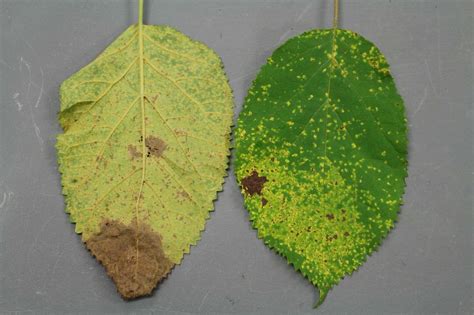
Fungal Diseases: Hydrangeas can be vulnerable to various fungal infections, leading to white spots on plant leaves, brown spots, rust-colored stains, or other noticeable symptoms on their leaves. Fix: Garden Hygiene: Regularly remove and discard fallen leaves and debris. These could harbor fungal spores. Use Fungicides: Apply general fungicides, following the label instructions. Overuse of some fungicides like those containing copper can be detrimental. Leaf Removal: Cut off and dispose of infected leaves properly. Relocation: Consider moving the plant to a more shaded location or using a pot for flexibility. Alternative Varieties: If relocation isn’t feasible, opt for sun-loving varieties like panicle hydrangeas.
Wind Exposure: Excessive wind can quickly draw moisture out of hydrangea leaves, leading to desiccation and browning. Fix: Natural Barriers: Use other plants, like ornamental grass or shrubs, to buffer against wind. Physical Barriers: Employ fencing or other protective structures. Relocation: Consider moving the plant to a less windy spot, preferably in the fall or spring for best transplant success.
Frequent Wilting: Wilting is a sign of moisture deficiency. If hydrangeas are left to wilt repeatedly in hot weather, their leaves can turn brown. Fix: Water the plants thoroughly every few days during high temperatures. Improve soil moisture retention with mulch around the base of each plant.
FAQs about Brown Leaves on Hydrangeas: Can brown hydrangea leaves recover? Unfortunately, browned parts of the hydrangea leaves can't turn green again. You can only take proper care to prevent further browning and encourage the growth of new healthy leaves. How often should I water my hydrangea to prevent leaf browning? Hydrangeas prefer consistently moist soil. However, the exact frequency depends on your climate and soil type. Always check the soil's moisture level before watering. Do I need to protect my hydrangea from direct sunlight? While hydrangeas can tolerate sunlight, excessive direct sunlight can cause leaf burn, especially during the hottest parts of the day.