Marigolds are one of the most popular ornamental annual bedding plants, native to Mexico and Central America, that love full sun and fertile, well-draining soil. They are low maintenance and boast long-blooming flowers in warm, bright shades of red, orange and yellow.
What Are Marigolds and Why Grow Them?
Marigolds are commonly grown as inexpensive and low-maintenance annual flowers that bloom consistently right through to killing frosts. They are also used as companion plants for the vegetable or herb garden, attracting beneficial insects and sometimes repelling pests with their strong scent. There are three main types or species of marigolds: French, Signet, and African, each with distinct foliage, height, and preferred growing conditions.
French marigolds have broad, fern-like foliage with a faint polka dot pattern and medium-sized frilly round flowers, reaching up to 24 inches tall, and they handle moist conditions better than other marigolds. Signet marigolds have delicate, lacy foliage and smaller, single flowers, about 12 inches tall, tolerating dry conditions. African marigolds are the tallest, around 3 feet, with larger blooms and better suited to ornamental gardens, particularly in drier conditions.
Marigolds are annuals in a short growing season sense, blooming through spring, summer and early fall and dying over winter. Yet they are also excellent self-sowers, producing hundreds of seeds that can germinate in spring, providing new plants near the original site. If you prefer exact placement, you can dig up self-sown plants in early spring and relocate them.
Germination Time: What to Expect
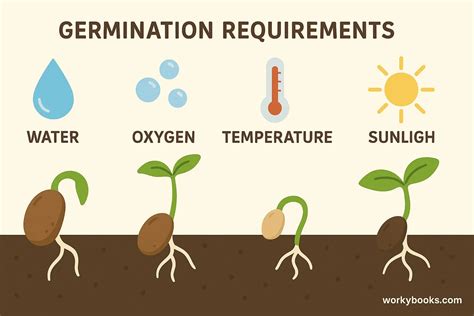
Marigold seeds require warm soil to germinate, with light being important for germination. Seed packets typically recommend indoor starting 6-8 weeks before the last frost, but germination can occur in as little as 5-14 days when soil temperatures are warm enough. Direct sowing outdoors is possible only in very warm springs and long seasons, with germination requiring soil temperatures of 18-24°C (64-75°F) and an additional 6-8 weeks before blooms appear.
If starting indoors, sow 1-2 seeds per cell in pre-moistened seed-starting mix, pressing them into the soil and covering with only a very thin layer of soil or vermiculite. Maintain warmth using a heat mat or a warm indoor spot until germination occurs, then thin to 1 plant per cell and place under grow lights 1-2 inches above the seedlings, with 12-16 hours of light daily. Seedlings should remain well-watered, and a diluted balanced fertilizer can be applied once they have 2 true leaves. Pinching tips at about 4 inches tall encourages bushier growth and more blooms.
Direct Sowing and Indoor Start: Practical Steps
Direct sow marigold seeds after all threat of frost has passed, typically waiting 1-2 weeks after the final frost date. For indoor starts, begin 6-8 weeks before transplanting when nighttime temperatures reach around 15°C (59°F) or at least 10°C (50°F) to push growth. Sow seeds on the soil surface or just barely covered, firmly press, and keep consistently moist until germination. Thin or transplant as needed to give each plant 8-12 inches of space, depending on variety.
For container gardening, choose a pot at least 12 inches in diameter with drainage holes, use well-draining potting mix, plant seeds or transplants, and water regularly since containers dry out faster. Sprouting occurs in about a week in warm weather, and blooms typically appear in around 8 weeks from germination. Fertilize every 4-6 weeks with a balanced liquid fertilizer, especially in containers.
Care and Maintenance Through Germination and Beyond
Marigolds are relatively drought-tolerant once established but appreciate even moisture during dry spells. They don’t require heavy fertilization; too much nitrogen can reduce flowering. At planting time, incorporate compost or a balanced slow-release fertilizer. Regular deadheading is optional but will encourage more blooms, while a Chelsea-style top-dress can refresh plants that have stopped flowering. Powdery mildew can appear in humid or poorly lit conditions, so ensure good air movement and sun exposure.
During germination, ensure light levels are adequate and keep the soil surface moist but not waterlogged. When transplanting outdoors, wait until nighttime temperatures are consistently above 50-59°F (10-15°C) and the soil is warm. Marigolds prefer full sun and well-drained, moderately fertile soil; they tolerate a range of soil types and are drought-tolerant once established, though they perform best with regular moisture in dry periods.
Choosing Varieties and Planting Locations
Three main varieties to consider are African, French, and Signet marigolds, varying in height, bloom size, and tolerance to moisture. African marigolds are tall and dramatic, French marigolds are compact and versatile for borders or containers, and Signet marigolds are small and often used for edging or mass planting in hot, dry sites.
When choosing a location, plant marigolds in full sun (at least 6 hours daily) with well-draining soil. They can tolerate partial shade but will not flower as prolifically. For best results, amend heavy soils with compost and select moderate fertility, as high nitrogen can hinder flowering. Interplanting with vegetables can be especially beneficial for pest deterrence and soil health.
Harvesting and Uses
Marigolds bloom for many weeks and can be used as cut flowers. For best vase life, pick blooms in the afternoon when they are partially open. Harvest by cutting stems at a leaf node with clean, sharp pruners to encourage branching and further flowering. After harvest, place flowers in water promptly to extend freshness. In edible-use discussions, calendulas are the edible “pot marigolds,” while true Tagetes marigolds may have bitter flavors or digestive concerns; calendulas are a safer edible choice in most cases.
Seed Saving, Seed Timing, and Propagation
Growing from seed offers access to unusual or newer varieties not commonly available as transplants. Start indoors 6-8 weeks before the last frost for earlier blooms, or direct sow in warm soil after frost risk has passed. Seed germination is quick under warmth, with germination typically within 5-14 days, and plants can flower about 8 weeks after germination. If saving seeds, allow some blooms to go to seed to provide next year’s plants in the same area.
Germination Time Summary and Quick Tips
- Germination generally occurs in 5-14 days under warm soil and adequate moisture.
- Indoors: start 6-8 weeks before last frost, transplant after soil warms and nighttime temperatures reach at least 10-15°C.
- Direct sow: requires soil at 18-24°C; expect blooms 6-8 weeks after germination.
- Light exposure aids germination; seeds should be planted on the surface or lightly covered.
- Keep seeds consistently moist and provide bright light for seedlings to establish bushy growth.
How to Plant and Grow Marigolds from Seed
Marigolds offer reliable season-long color, ease of care, and beneficial companion planting benefits. They are hardy, adaptable to various soil types, and excellent for edging, borders, and containers, while also serving as natural pest deterrents.
tags: #germination #time #for #marigolds