Color Full® Beauty Star pinstripe calathea. Photo by: Proven Winners. Does your green thumb turn to stone when it comes to growing plants indoors? Don’t give up hope. Anyone can master indoor gardening by choosing good indoor plants for the different microenvironments in the home, whether it’s a warm, humid room or a drafty low-light corner. From a past webinar: "Wonderful presentation! Save your seat for our next live webinar. LOW LIGHT:Plants suitable for north-facing windows or locations along interior walls. Many plants labeled for low-light conditions tolerate it and grow slower, but may do better in slightly brighter or medium light. BRIGHT/HIGH LIGHT:Plants suitable for unobstructed south- or southwest-facing windows. Water: Allow the top inch of soil to dry out between watering.
One of the easiest houseplants to grow. This tropical vine comes in a variety of foliage colors and patterns. Pothos can be trimmed and kept compact, allowed to trail from hanging baskets, or trained up vertical supports. Water: Prefers evenly moist soil, but not soggy. Water if top inch of soil is dry. Another very easy-to-grow houseplant, similar to pothos. Tolerates low light, but will grow faster in medium to bright light. Foliage comes in a variety of sizes, shapes, and colors. Philodendrons can also be grown outdoors in mild climates.
Color Full® Beauty Star pinstripe calathea. Water: Keep evenly moist. Don't allow to become overly soggy or dry out completely. Also called rattlesnake plant, peacock plant, or zebra plant, this popular houseplant is grown for its decorative foliage in an assortment of patterns, colors, and shapes. Prayer plants don't like their roots disturbed, so repot in early spring only if rootbound.
Living Lace® Victoria bird's nest fern. Water: Keep soil evenly moist, but not soggy. Water at the edge of the rosette so water doesn't pool in the center and cause rot. Yellow leaves signal overwatering. This tropical fern makes a stunning centerpiece for a table or plant stand. New fronds unfurl from the center of the plant, so the shape remains elegant and upright. An ideal plant for a steamy bathroom, bird's nest ferns like moderate humidity and temperatures around 70 degrees F. Water: ZZ plants store water in their semi-succulent stems so you may only need to water every couple weeks. The naturally shiny leaves of the ZZ plant require little effort to maintain their good looks. Simply dust them off with a damp cloth (leaf sprays may damage the foliage). ZZ plants also do well in medium/bright, indirect light. Keep in mind that all parts of the plant are toxic, so keep away from children and pets. Water: Avoid overwatering, but keep the soil evenly moist. Water when the surface of the soil feels dry.
Bring tropical flair indoors with a parlor palm. A popular choice for dimly lit foyers and offices. Typically the only pruning needed is the removal of lower fronds that naturally turn brown over time. Trimming healthy green fronds will stop growth completely. Water: Keep soil evenly moist, but not soggy. Don't allow the soil to dry out completely. Pure white spathes surrounding creamy white flower spikes bloom from mid-spring through late summer. Peace lilies love warmth and humidity. Avoid exposing them to temperatures below 55 degrees F.
Igneous Timeless Tides Chinese evergreen. Water: Keep soil evenly moist, but not soggy. Reduce water in the winter when plant growth slows. Chinese evergreens hate cold drafts and temperatures below 55 degrees F. Locate your plant away from drafty doorways, windows, and air-conditioning vents. Plants with darker green leaves can tolerate less light, while variegated varieties prefer brighter light. Water: Water moderately in spring and summer, less often in fall and winter. Cast iron plants are extremely slow growing and can take years to reach their full height. Cast iron plants are almost impervious to neglect and aptly named for their tough-as-nails constitution. Fertilize: Apply a high-nitrogen fertilizer that includes micronutrients monthly from spring through fall.
Fiddle-leaf figs instantly give any room a jungle-like vibe. They grow very slowly, but can eventually reach the ceiling. With a reputation for being finicky, this cold-sensitive rainforest native needs just the right conditions to thrive indoors. Prefers east-facing, sunny windows; unobstructed late day sun in a west- or south-facing window may burn the leaves. Chroma® Belize rubber plant. Water: Keep soil evenly moist. Rubber plants can threaten to outgrow a room, but can be kept in check by pruning off the top at the central stem. This will encourage growth of side branches. Keeping your plant in a smaller pot will also curb its growth.
Water: Tradescantias prefer moist soil, but avoid overwatering to prevent root rot. Fertilize: Use a balanced liquid houseplant fertilizer monthly. An easy-to-grow, trailing plant that is great for beginners. Perfect for use in a hanging basket or even spilling from a regular planter. If your plant becomes leggy over time, prune it back by pinching off the stems directly above a leaf node.
Thousands of cultivars give you a choice of almost any flower color, as well as single, double, and bicolored blooms. African violets will bloom repeatedly during spring and summer when given enough sunlight, with the blooms lasting up to a few weeks. Water: Run the plants under water a few times a week. Air plants put down no roots and receive nutrients and moisture through their leaves. Once an air plant blooms, it will produce offshoots that will become new plants in one to two years. Water: Water regularly during the growing season (spring through fall) to keep the soil evenly moist, but not soggy; less frequently during winter.
Given the right conditions, these lush and leafy tropical plants can thrive indoors in well-lit areas, making them a bold focal point of any sunny room. In addition to bright light, alocasias also require a humid environment, so keep plants well-hydrated by using a humidifier or misting the leaves regularly. Water: Allow the top inch of soil to dry completely before watering. Snake plants store water, so it's almost impossible to underwater them. Also called mother-in-law's tongue, this hardy houseplant is almost impossible to kill. Although it prefers bright light, it will also persevere through dim lighting, temperature fluctuations, and lapses in watering. Water: Allow the soil to dry out between waterings, and water only sparingly in the winter months.
Jade plants can live for decades and are easy to propagate from leaf or stem cuttings. Let the cuttings dry out for a few days and then stick them in a good potting mix, preferably one for cactus and succulents. One of the easiest plants to propagate. Simply cut the baby spiders from their runners and place in moist potting soil. You can also stick them in a glass of water for a week or so until roots form and then pot in fresh soil. Fertilize: Once or twice a year, in early spring and late autumn. When kalanchoes bloom, the flowers can last for several weeks. To encourage reblooming, pinch off spent flowers and give the plant a rest period with no fertilizing and minimal watering.
Ideal for narrow windowsills, the slow-growing succulent remains neat and compact. In summer, creamy white flowers bloom on long stems. Haworthias need almost no care and rarely need repotting. Aloes prefer tight quarters and keeping them slightly root bound may help promote blooming, which doesn't always happen when they are grown indoors. Grow them in a sandy, well-drained soil such as a cactus potting mix. Check here to see if The Home Depot® or your Local Garden Center is carrying leafjoy®.Order leafjoy plants online: Shop NowHouseplants add a living touch to indoor decor, helping to cleanse the air and lift the spirits. Even if you don’t have a green thumb, you can still become a good plant parent by choosing easy indoor plants for beginners and other low-maintenance house plants.
All plants need light, water and nutrients to survive. Those needs can vary widely depending on the type of plant. Houseplants will perform best when grown in conditions that closely mimic their native habitat. Some varieties are more forgiving than others, making them more suitable for beginners. By starting out with houseplants that are easy to care for, you can be well on your way to a stunning collection of lush indoor greenery. Here are some of the best low-maintenance house plants and easy indoor plants for beginners.
Popular beginner-friendly houseplants
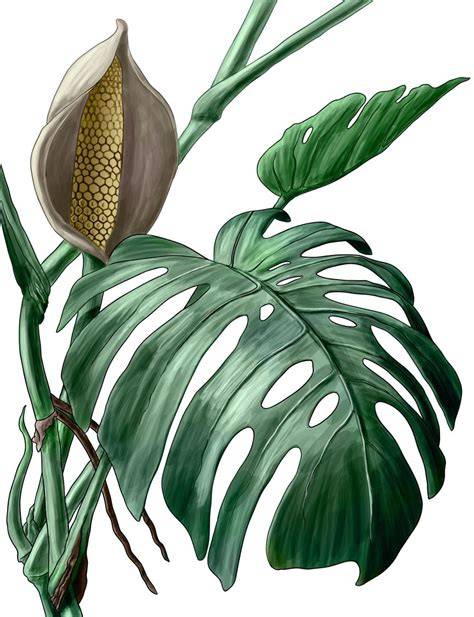
- Monsterа Monstera spp. Low to medium light; 60-85 °F. Also known as Swiss cheese plant or split-leaf philodendron, these popular indoor plants have bold heart-shaped leaves with holes and slits as they mature. They are easy to grow when provided regular water and a humid environment. Pictured: Mysteria® Deliciosa.
- Spider Plant Chlorophytum comosum. Medium to high light; 60-85 °F. Grass-like cascading foliage, white star-shaped flowers, and baby plantlets easy to propagate.
- Pothos Epipremnum spp. Low to high light; 60-85 °F. Trailing, hardy foliage in green, yellow or variegated colors; roots easily from cuttings.
- Philodendron Philodendron spp. Low to high light; 60-85 °F. Wide range of colors and forms, compact or vining; easy-care with moderate water and high humidity.
- Rubber Plant Ficus elastica. Medium to high light; 60-85 °F. Upright habit with large leaves; promises a bold indoor presence; needs regular fertilizer and moderate humidity.
- Chinese Evergreen Aglaonema commutatum. Medium to bright indirect light; 65-80 °F. Slow-growing, compact, vibrant leaves; tolerant of lower light.
- Prayer Plant Calathea spp. Low to medium light; 60-85 °F. Leaves fold at night; needs bright indirect light and high humidity.
- Begonia Begonia masoniana. Bright indirect light; 60-85 °F. Easy to care for with attractive foliage.
- Nerve Plant Fittonia albivenis. Low to high light; 60-85 °F. Notable for white, pink or red leaf veining; loves high humidity.
- Arrowhead Vine Syngonium podophyllum. Low to medium light; 60-85 °F. Arrow-shaped leaves, trailing habit; prefers high humidity and evenly moist soil.
- Dracaena Dracaena spp. Bright indirect light; 65-80 °F. Upright habit with varied leaf colors; some varieties tolerate cooler temps.
These low-maintenance choices are particularly suitable for beginners and can also satisfy more experienced growers seeking reliable indoor greenery. Pothos, also called Devil's ivy, is one of the easiest and most forgiving houseplants you can grow. It resembles philodendron, but has smooth-textured, ridged stems. Plants have a trailing or climbing habit and can be grown and trained on a trellis or allowed to cascade from the side of the container. The medium-green, heart-shaped leaves are 2 to 6 inches long and are often streaked or spotted with cream, yellow, or silver. White aerial roots form at leaf nodes. Grows in low to moderate light. Allow soil to dry moderately between waterings. Plants grow best in average temperatures. Pinch tips to promote fullness.
This popular and nearly indestructible plant is known by several names, including snake plant, mother-in-law's tongue, and sansevieria. Erect, strap-shaped leaves are produced in clumps. Leaves are green and often banded with lighter green, cream, silver, or white. Some species and cultivars are longitudinally striped with yellow or white. Low-growing rosette varieties make good plants for windowsills. Snake plant grows in almost any environment. Grow in low to direct light. Plant in well-drained potting soil and allow the soil to dry between waterings. The only way to kill this plant is to overwater it!
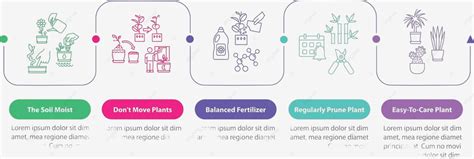
Houseplant 101 | Houseplant Care Basics
Plants prefer warm temperatures, low humidity, and moderate light levels. Propagate by division or leaf cuttings. When propagated by division, leaves will retain their pattern. Sometimes called airplane plant, spider plant is one of the easiest houseplants to grow, making it one of the most popular. It has 12-inch-long green and/or white grass-like leaves and often produces cascading stems with small plantlets. This plant is attractive in hanging baskets. Spider plant is adaptable to various environmental conditions but prefers indirect light, average moisture, and temperature levels. Named for its unique scientific name, ZZ plant is also sometimes referred to as Zanzibar gem. Glossy upright compound leaves usually have 6 to 8 pairs of leaflets along a central axis. The base of the leaf is slightly swollen and arises from an underground rhizome. ZZ plants do exceptionally well in low light. This plant is very tolerant of dry conditions and low humidity. This tolerance of low light, dry soil, and low humidity makes it nearly indestructible.
Heartleaf philodendron is a trailing plant with 3- to 5-inch-long, heart-shaped leaves. Keep plants evenly moist. Philodendrons will grow in areas with low to indirect light, warm temperatures, and low humidity levels. Wash leaves occasionally to remove dust. Ponytail palm is not a palm at all-it just resembles one. They are actually in the same family as houseplants like snake plant and dragon tree. Plants are slow-growing, with an enlarged bulb-like base and a plume of stiff, dark-green, strap-like leaves. Leaves can grow from 2 to 5 feet in length. Ponytail palm also thrives in the low humidity that many homes have. Avoid over-watering. Because the bulbous base stores water, this plant tolerates dry conditions. Dragon tree has narrow leaves edged in red. The narrow stem of this plant is often twisted and branched, creating interesting visual effects. Multiple plants can be placed in a large pot to provide a variety of plant heights. Dragon tree can be moved outdoors to a part-shade location during summer. Grow in moderate to indirect light (low light may be tolerated, but plants will bend and stretch excessively).
tags: #best #beginner #houseplants