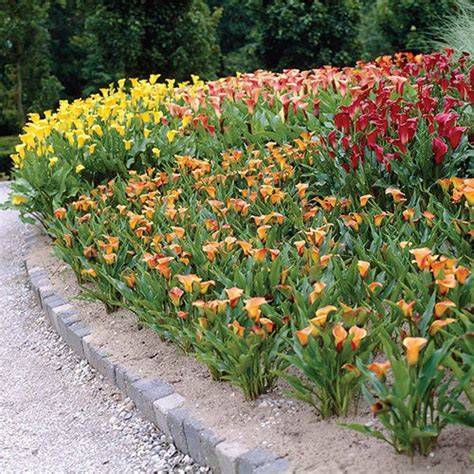
Copper calla lilies, with their warm, bronzy tones and graceful spathes, bring exotic drama to homes and gardens alike. This guide synthesizes practical care steps and common questions to help you grow healthy, vibrant plants throughout the growing season and beyond.
Understanding the plant and its needs
Calla lilies (Zantedeschia) are a South African native, grown as perennials in warm regions but often treated as annuals in cooler climates. They thrive in moist, well-drained soils and appreciate bright, indirect light. Containers and gardens alike can showcase their glossy foliage and long-lasting blooms.
Calla lilies bloom from late spring into summer on sturdy upright stems, with spathes in a spectrum of colors beyond the classic white. They prefer consistently moist soil that is not soggy, and they benefit from regular feeding during active growth. In zones where winter temperatures dip, rhizomes require overwintering either in the ground with protection or indoors in a cool, damp environment.
Light, temperature, and humidity
Light: Calla Lilies need very bright, indirect light all day long when grown indoors; outdoors, they tolerate full sun in cooler climates but appreciate some shade in hotter regions. For containers, place near a sunny window or outdoors in a bright spot with protection from harsh afternoon sun.
Temperature: They perform best at temperatures around 65-75°F (18-24°C). They are frost-tender, and foliage may die back as temperatures fall. In winter, move potted plants to a cool, frost-free place and reduce watering to encourage dormancy.
Humidity: Moderate to high humidity supports lush growth; brown leaf edges can indicate low humidity, inconsistent watering, or fertilizer salt buildup. Monitor moisture and consider light misting or a tray of water near the plant if air is particularly dry.
Soil, planting, and drainage
Soil: Use rich, well-draining soil. Containers should be filled with a high-quality potting mix that drains well, ideally amended with perlite. Ground plantings benefit from soil improvements such as well-rotted compost or soil conditioners to maintain even moisture without saturating the roots.
Planting depth: When planting outdoors, plant rhizomes 6 inches apart and about 4 inches deep with the growing tip upward. For containers, arrange no more than three plants per 12-inch pot and plant rhizomes 3 inches deep with the growing tip facing up.
Watering: Calla lilies prefer evenly moist soil; avoid letting the soil dry out completely or sit in standing water. Container plants tend to dry out faster than those in the ground, so check moisture regularly and water accordingly. After establishment, water regularly to maintain consistent moisture without waterlogging.
Feeding and care during growth
Fertilizing: Feed regularly during active growth with a balanced liquid fertilizer or a slow-release granular fertilizer. In spring and early summer, a monthly application of a balanced fertilizer supports robust blooms; avoid excessive nitrogen to prevent leafier growth at the expense of flowers. If using a fertilizer with higher potash, blooms may be more vibrant.
Pruning and cutting: Prune spent blossoms at the base after they fade to encourage new growth. Regularly remove dead or damaged foliage to improve plant appearance and reduce disease pressure.
Caring for cut flowers: To use calla lilies in bouquets, cut the flower stalks as close to the base as possible with sharp, clean pruning shears. The spathes can be long-lasting in arrangements, contributing to the overall aesthetic of bouquets and centerpieces.
Special care: overwintering and dormancy
Overwintering in warm zones (8-10): Rhizomes can remain in the ground or be brought into containers outdoors to rebloom in spring. Cut off all foliage, store in a dry place, and resume watering as growth resumes in warmer weather.
Cooler climates (Zones 7 and below): Move potted calla lilies indoors to a dark area at temperatures 40-50°F (4-10°C) to survive winter. Check moisture and water lightly to prevent complete drying. Rhizomes stored in ground can be dug up, cleaned, dried briefly, and stored in peat moss or dampened materials in a cool place until spring. Replant after the danger of frost has passed.
Practical troubleshooting
Yellowing leaves: Often a sign of overwatering or poor drainage. Ensure the pot has drainage holes and let the top inch of soil dry slightly between waterings. Avoid standing water in saucers or trays.
Brown edges: Can result from low humidity, inconsistent watering, or fertilizer salt buildup. Improve humidity and avoid buildup by flushing the soil periodically and using a balanced fertilizer according to package directions.
Lack of blooms: If the plant isn’t flowering, it may not be receiving enough light or nutrients. Move to a brighter indirect light location and feed with a balanced liquid fertilizer during the growing season. A dormant period in winter is also important to encourage spring or summer blooms.
Common varieties and usage
Calla lilies come in a wide range of colors and forms, from classic white to dramatic bronzes and beyond. They are frequently used in bouquets for weddings and celebrations due to long vase life, symbolic meanings, and striking forms. They pair well with tropical plants like coleus, elephant ears, canna lilies, and ferns in garden borders, beds, and mixed containers.
In landscapes, they can be grown outdoors in suitable climates or containerized for patios and indoor display. The dramatic foliage remains attractive even when not in bloom, making them versatile as focal points or “thriller” elements in container combinations.
Toxicity and safety
Calla lilies are toxic to pets and humans if ingested. Wear gloves when handling and keep plants out of reach of children and curious animals. Sap may irritate skin or eyes.
Frequently asked questions
- Are calla lilies perennials? Yes, in warm regions they are perennials; in cooler zones they are typically grown as annuals or overwintered indoors.
- Do calla lilies spread? Rhizomes can multiply and spread over time; careful division can help manage a crowded clump.
- How long do potted calla lilies last? Indoors they can last for several months under proper care.
- When do they bloom? In warm climates they can begin blooming in late spring and continue through summer with proper care.
- When to plant bulbs/rhizomes? Plant after the last frost or when soil warms to about 65°F (18°C).
- Can they be planted outdoors? Yes, in appropriate zones; bring indoors or protect in colder zones.
- Are they deer-resistant? Generally, yes; they are toxic to animals and often avoided by wildlife.
How to use and display
Calla lilies work beautifully in borders, mass plantings, ponds, and containers. They can be grown indoors as houseplants or used as cut flowers to brighten rooms. When arranging, the spathes and glossy leaves provide lasting color and structure, making them a versatile choice for variety and texture in landscape design and floral decor.