Sweet Potato Vine (Ipomoea batatas) is a member of the Convolvulaceae family. Originating from Tropical America and Mexico, Sweet Potato Vine is a perennial in warmer climates, but is mostly grown as an annual. Hardy in USDA zones 9-11, this plant can grow from about 10 to 16 inches high and trail or spread up to 4-plus feet. Its growth habit is mounding with trailing stems. Heart-shaped foliage comes in a range of colors from chartreuse, green, bronze, red, brown, burgundy, purple, black and variegated.
In addition to its striking foliage, the plant tolerates full sun or partial sun and typically has no flowers to deadhead. This is an excellent way to fill a container or bed with all-season color. Sweet potato vine is one of the easiest ways to add spiller color to containers and hanging baskets or cover the ground in summer in a bare area. It is a versatile indoor or outdoor plant and can be grown year-round indoors in suitable conditions.
This plant is tolerant to most soils as long as it is moist, well-drained soil. Sweet Potato vines like full sun, but will grow in partial shade. Plant in late spring after the threat of frost has passed. Considered a tropical plant, Sweet potato Vines prefer humid conditions and cannot tolerate dry air. They are drought-tolerant but will grow best with frequent watering. Water the plant enough to keep the soil evenly moist, and adding a layer of mulch will help preserve moisture in the soil. A very thirsty Sweet Potato vine will have wilted leaves.
Sweet Potato vines do not require fertilizer to grow. Feeding this plant is optional based on how much you want it to grow. They are naturally vigorous growers, so feeding them may increase the need to cut them back more often. Many gardeners like to fertilize at planting time to encourage faster growth. They can benefit from frequent trimming and pruning to remove dead and dried leaves and to encourage healthy new growth. Pruning indoor or outdoor Sweet Potato Vine helps the plant to grow bushier.
Plant a Sweet Potato Vine in a large pot as a spiller for your arrangement or on its own. Select a container that has drainage holes and plant in standard well-drained potting soil. This plant likes morning sunlight and partial shade in the afternoon. Deep watering once or twice a week is recommended. Fertilizing is not necessary and can cause a leggy plant. The great thing about Sweet Potato Vines is that they are both an indoor and outdoor plant. When winter weather arrives, just bring the container grown plant indoors and grow it as a houseplant until spring. You can also take 10-12 inch cuttings from an existing plant, rinse them with water and place them in a vase with fresh water.
Sweet potato vines grow very rapidly, reaching up to 10 feet long by 6 feet wide, in a single season. They can thrive nearly anywhere, from full shade to full sun. They very rarely flower, with Blackie by Proven Winners being an exception, and do so under only the most optimal conditions. They can definitely be brought indoors and enjoyed as houseplants. Alternatively, you can store the tubers in a cool dry place over the winter, and plant them back outside once the weather has warmed.
In USDA Hardiness Zones 9-11, sweet potato vines can be considered perennials and they'll come back in the spring. They can be grown as groundcovers, in containers, or on trellises, and are popular as a spiller in mixed planters. This plant is a bit prone to pests like aphids and the golden tortoise beetle, and root rot is a common reason for yellow or brown leaves. To prevent this, ensure soil and containers drain well and avoid wet feet. Fungal infections can also cause yellow or brown leaves.
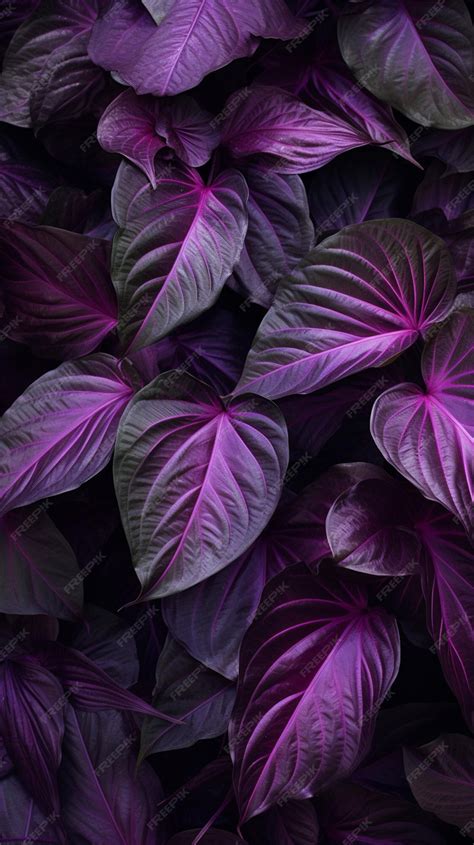
If you are looking for drama in the landscape, look no further than Blackie Sweet Potato Vine. With its stunning dark purple, almost black cascading foliage, this vine is an award winner and a sure showstopper. Growing to a mature height of 10 inches and a spread of 60 inches or more, it performs from spring to first frost. Blackie has a vigorous growth rate with a trailing habit, and is heat and drought tolerant. The foliage is heart-shaped and lobed and the vine does produce trumpet-shaped lavender to pale purple flowers, but plants are grown for their stunning foliage.
Use as a border plant, groundcover, and in mass plantings in the landscape. Blackie adds texture and foliage interest to any planting. In a mixed planting container, it can be used as a spiller, but its vigorous growth may overwhelm other plants. It is an easy-care, low-maintenance vine that performs well in full to partial sun and tolerates most soil types. An application of fertilizer or compost on garden beds and regular water-soluble liquid fertilizer on plants in pots will help ensure the best possible performance. It can be grown as indoor plants in high light areas and perform well in containers on patios and porches. Spacing in landscape beds should be about 24 inches apart for this vigorous groundcover.
Pre-ordered plants are scheduled to ship in Spring 2026, with shipping dates planned around USDA Plant Hardiness Zones to ensure optimal planting conditions. These are estimates, and some restrictions may apply to certain regions due to agricultural regulations.
How to plant and care for Sweet Potato Vine
Plant sweet potato vine in late spring to early summer after all danger of frost is past. For containers, use high-quality all-purpose potting soil and ensure containers have drainage holes. Space plants 10-36 inches apart depending on variety and use. Sweet potato vine prefers moderately rich soil but is tolerant of different pH levels and soil types as long as the soil is well-draining. At planting, apply a granular slow-release fertilizer. The plant is adaptable to sun and shade, though colors are deeper and brighter in full sun.
In landscape use, ornamental sweet potato vine works well as an annual ground cover, in combinations, and in containers. It thrives in both sun and shade, with more vibrant colors in sun. For planting and care in general, use well-draining soil, keep soil evenly moist, and provide regular trimming to maintain bushy growth.
How to use Sweet Potato Vines
- Mass at the front of a mixed border for a sea of continuous color from summer to frost.
- Alternate contrasting colors along a slope for a dynamic groundcover display.
- Lighten up shady areas with chartreuse or lime-green varieties.
- Create a welcoming display by planting rows of hanging baskets along a front porch.
- Plant along a rock wall to cascade over the side.
- Grow up an arbor or trellis in combination with other quick-growing annual vines for a vertical color screen.
Does sweet potato vine like sun or shade? Plants are adaptable from full sun to shade; foliage color is richest with at least 6 hours of sun daily. Leaves are greener in shade. Do sweet potato vines grow tubers? They can produce tubers like their edible relatives, but they are bred for foliage; tubers are not typically flavorful or prolific. Is it an annual or perennial? It is perennial in warmer climates but often grown as an annual elsewhere. How fast does it grow? They are vigorous, reaching 6 feet wide and up to 10 feet long in a season. Do deer eat them? Deer may graze on the foliage, so protection may be needed in deer-prone areas. How often to water? Keep soil evenly moist, about an inch of water per week, more in extreme heat; containerized plants need more frequent watering, every 1-2 days in hot spells.
How to Manage Your Vining Sweet Potatoes In Small Spaces | Guten Yardening
Want to learn more? Fill out the form or explore further resources for sweet potato vine care. This versatile plant is a low-maintenance choice that adds tropical flair to any landscape or indoor space.