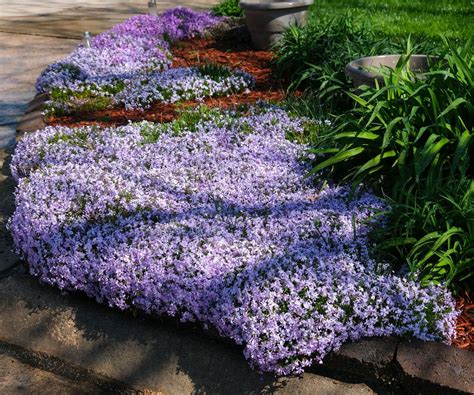
Red creeping thyme is a versatile, drought-tolerant groundcover that can double as an easy-care lawn substitute on sunny hillsides and slopes. Its ability to withstand moderate foot traffic makes it an ideal choice for pathways, borders, rock gardens, and between stepping stones, while its dense mat of foliage provides color, fragrance, and habitat for beneficial insects.
Overview and characteristics
Height/Spread: 1 to 4 inches tall, spreading up to 18 inches. Plants may be slightly taller when in bloom. Bloom time: Late spring to early summer, with the blooms lasting for 3 to 4 weeks. Plants may not flower during their first growing season because they will be focusing all their energy on root development. Flowers: Star- or bell-shaped, measuring about 1/8 inch across. Foliage: Slightly hairy and elliptical, growing to 1/4 inch in length. May be dark green, olive green, or gray-green, depending on the cultivar.
Growth habit and spread
Method of spreading: By trailing stems that sprawl out horizontally from a central root system. The stems take root where they come in contact with the soil, with new shoots forming at the point where rooting occurs. This creeping habit makes it an excellent groundcover for fast coverage and erosion control on slopes.
Edibility and culinary notes
Is creeping thyme edible? Although both the flowers and leaves are edible, they are generally not used for cooking because the fragrance and flavor are inconsistent.
Planting timeline and initial setup
When to plant: In spring, after the threat of frost has passed, or in early fall. How to plant: May be started from seeds or nursery starts. Sow seeds indoors in early spring or directly outdoors after the danger of frost has passed. It typically takes 2 to 3 weeks for thyme seeds to germinate. To transplant thyme into the garden, dig a hole a bit wider and slightly shallower than the rootball. Carefully untangle the roots and set the plant into its hole, gently filling the soil back around the roots until they are completely covered.
Soil and site requirements
Soil requirements: Creeping thyme thrives in sandy, silty, or rocky soils that provide excellent drainage. Spacing: Spacing often depends on how quickly you want the area to fill in with growth. As a general rule of thumb, space plants about 8 to 12 inches apart to accommodate their spreading habitat.
Growing in containers
Growing in containers: If planting creeping thyme in containers or window boxes, it’s essential to use a high-quality potting mix with good drainage.
Watering, care, and maintenance
Watering: Although creeping thyme is drought tolerant, you should water new plants regularly until the roots become established, keeping the soil evenly moist but not soggy. After the first year, supplemental watering should only be needed during prolonged periods without rainfall.
Amendments & fertilizer: If necessary, lightly amend the soil with compost, leaf mold, or other organic matter to help loosen the structure and improve drainage. Because creeping thyme thrives in lean soil, additional fertilization is generally not necessary.
Pruning and deadheading: Because of their woody stems, creeping thyme plants can become very spindly and woody at the base over time. Although you don’t have to deadhead thyme flowers, shearing the spent blooms in midsummer using hand or electric shears will keep your plants looking tidy.
Overwintering and climate resilience
Overwintering: In temperate climates, creeping thyme will usually remain evergreen throughout the winter. To prevent frost or freeze damage during the winter months, cover creeping thyme with several inches of a loose mulch, such as leaf mold. Diseases and pests: Has few pest or disease problems, but is vulnerable to root rot if grown in areas with poor drainage. Also be on the lookout for spider mites in hot, dry conditions.
Types and landscape uses
Magic Carpet species details: Thymus serpyllum ‘Magic Carpet’, commonly known as Magic Carpet Creeping Thyme, is a low-growing, aromatic, perennial sub-shrub in the mint family (Lamiaceae). Native to the temperate regions of Europe and Asia, this popular cultivar is prized for its vivid pink flowers and dense, carpet-forming growth. While it belongs to the same species as other creeping thymes, ‘Magic Carpet’ stands out for its lush floral display and excellent use on slopes, borders, and between stepping stones.
Magic Carpet growth: It forms a spreading mat of aromatic foliage, growing 1-2 inches (2-5 cm) tall and spreading 12-18 inches (30-45 cm). ‘Magic Carpet’ blooms from early to mid-summer, producing vibrant magenta-pink flowers in dense clusters. The tiny, evergreen leaves are gray-green and slightly aromatic. Hardy in USDA zones 4-9, Magic Carpet Creeping Thyme withstands both hot summers and cold winters.
Groundcover and garden design: Groundcover-spreads beautifully to cover bare areas with colorful foliage and flowers. Magic Carpet supports pollinators with its long-lasting flowers. Use alongside a sidewalk or garden pathway, where the flowing foliage can soften the hard edges and add wonderful color and scent. A rock garden is also an excellent site for this meandering plant. Or allow it to cascade over retaining or rock walls to create vertical interest. Use as a pretty border around a vegetable garden to create nice visual and textural contrast. As a bonus, creeping thyme attracts beneficial insects, repels cabbage worms, and deters rabbits. Combine with other drought-tolerant, sun-loving perennials to create a waterwise landscape.
Care specifics for Magic Carpet and related cultivars
Thymus serpyllum ‘Magic Carpet’ details, habitat, and care align with the broader creeping thyme guidelines: sun-loving, well-drained soil, minimal feeding, and periodic pruning to maintain a dense, tidy mat. It tolerates drought once established and provides long-lasting magenta-pink blooms that attract pollinators and add fragrance to pathways and borders.
Propagation and transplantation tips
Propagation and division: In spring or summer, take cuttings from non-flowering stems (4-6 inch cuttings) and root them in moist, well-drained mix. Perennial herbs can be dug up and divided every 2-3 years. For seeding, start seeds indoors 8 to 10 weeks before the last frost or sow directly outdoors when temperatures stay above 60°F. Do not cover the seeds with soil, as they need light to germinate. When transplanting, dig a hole up to two times larger than the root ball and deep enough that the plant will be at the same level in the ground as the soil level in the container. Gently untangle dense roots and firm the soil around the plant.
Common issues and troubleshooting
Pests and diseases: Creeping thyme is generally hardy with few problems but watch for aphids, spider mites in hot, dry conditions, thrips on flowers, root rot from poor drainage, powdery mildew in humid or shaded conditions, and Botrytis Rot in cool, damp weather. Keep good airflow and avoid overhead watering in humid climates to prevent disease.
Ready-made plantings and design ideas
Use as a groundcover alongside walkways and borders, or cascade over retaining walls to create visual interest. It’s an excellent choice for rock gardens and as a border around a vegetable garden to provide color, aroma, and texture. The dense, woolly appearance of some cultivars results from leaves heavily covered by fine hairs, which also enhances resilience to foot traffic.
Harvesting and stored uses
Herbs can be harvested throughout the growing season for fresh use, drying, or freezing. Harvest in the morning when essential oils are most potent. Do not prune more than 50% of the foliage at one time, and avoid pruning after September 1st to protect new growth from frost. Pruning stimulates tender growth that can be damaged by frost.