Row covers, frost fabric, and insect nets are essential tools in the gardener’s toolkit, offering protection from frost, pests, and sun alike. They are not truly interchangeable, as each has a specific purpose and performance characteristics. Frost cloth (often called row cover or agribon) is designed to trap heat and create a microclimate around young plants, while shade cloth reduces solar input to lower ambient temperatures under the canopy, and insect netting provides a physical barrier to pests while allowing some airflow and heat dissipation.
Lightweight options such as very thin frost cloth or insect netting can be used in a pinch for partial pest exclusion or light frost protection, but their short lifespan and limited heat management mean they are not a perfect substitute for dedicated materials. The lightest weights, like 0.5 ounce or 6 ounce fabrics, may be more prone to tearing and thus less durable in variable conditions. Heavier fabrics provide more warmth but reduce light transmission and can impede plant growth if not managed carefully.
In practice, the best approach is to select a cover according to the growing conditions and the specific threat you are mitigating. If your aim is to exclude insects while maintaining some heat and allowing moisture, insect netting is appropriate but its bigger holes can aid heat dissipation yet compromise warmth. If you need warmth and a bit of light exclusion, frost cloth is a solid choice, but it will not be as effective as dedicated insect netting for pest control. Shade cloth, by design, reduces light and helps cool the environment, which may be beneficial in hot climates or during heat waves but won’t provide reliable frost protection on its own.
Growers often find value in using separate solutions for different seasons: when pests are most active, insect netting helps keep insects out; during early spring or fall frosts, frost cloth provides warmth; and during heat stress, shade cloth reduces light load and helps keep temperatures down. Some gardeners even combine lightweight row covers with shade or netting to tailor microclimates, but this requires careful management to avoid overheating or moisture buildup.
At Farmers Friend, the team emphasizes choosing quality materials and brands with proven performance. A well-regarded option is Grow Guard from Atmore Industries, noted for durability and consistent material quality, which reduces tearing and wear over time. By contrast, Agribon is a familiar term in the industry, but it is one of several options, and brands vary in performance. The key is to select products designed for agricultural use, with appropriate heft and material composition to fit your climate and crops.
For practical construction, consider building a frame using 3/4-inch bends of PVC, metal hoops, or small wire hoops, then drape the chosen cover over the frame and secure the edges with soil, rocks, or binder clips to prevent wind uplift. Light covers can be laid directly on the soil with slack to accommodate plant growth, while taller crops may benefit from a raised tunnel structure with hoops spaced 2-4 feet apart. Regular inspection is important to prevent overheating in warm periods and to ensure there are no openings for pests.
In addition to row covers, other protective options include burlap wraps for insulation in winter, cloches (glass or plastic) for temporary frost protection, cold frames for durable winter and early-spring protection, and pop-up greenhouses for lightweight, temporary greenhouse effect. Mulching also helps by insulating soil, conserving moisture, and reducing weed growth, contributing to healthier plants through colder months.
When planning protection, remember that all five cover types can function as pest barriers, frost protection, and shade in some capacity, but their efficiencies differ. The correct choice depends on your crops, climate, timing, and whether you prioritize light transmission, heat retention, durability, or pest exclusion. For best results, use materials as intended and maintain regular inspections to prevent heat stress, overheating, or pest incursions.
Harvest extensions and season extension strategies are possible with these covers, enabling gardeners to harvest into fall and even winter. Always tailor the use of each cover to the crop’s growth stage and local weather patterns, and consider reusing fabrics to maximize value and minimize waste.
- Row covers and frost fabric are designed to allow good ventilation while retaining heat and moisture.
- Burlap provides insulation and protection while remaining breathable and eco-friendly.
- Cloches and cold frames offer durable winter protection with good airflow management.
- Pop-up greenhouses provide a quick, portable solution with greenhouse-like warmth.
- Mulch complements covers by conserving moisture and stabilizing soil temperatures.
When selecting materials, consider: (a) light transmission and heat retention, (b) wind resistance and durability, (c) pest exclusion efficacy, (d) ease of use and maintenance, and (e) cost-benefit for your situation. In short, while you can use lightweight options to cover a specific purpose briefly, optimal results come from using the right material for the intended job rather than improvising with substitutes.
How to Build a Raised Bed COVER Using ONLY HAND TOOLS, Protection From EVERYTHING
If you have questions for a future guide, submit your inquiry and we may address it in upcoming videos. A simple cover in the garden can make the difference between frost-damaged and healthy plants, scorched and shaded plants, and pest-free and pest-infested plants. Plant covers are an excellent way to protect plants from pests and extend the growing season, supporting healthier crops and longer harvests.
Key features and practical guidance
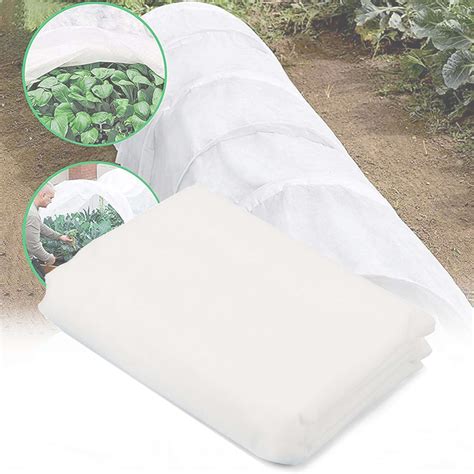
Row covers are typically white, lightweight, non-woven fabrics made from spun-bonded polyester or polypropylene. Lightweight versions (around 0.45 oz/yd2) function as insect barriers with high light transmittance (approximately 90-95%) and provide 2°F of frost protection; medium weights (0.5-1.0 oz/yd2) give 4-6°F; heavy weights (1.5-2.2 oz/yd2) offer up to 8°F but with reduced light. Some common brands include Reemay and Agribon, with Grow Guard highlighted for durability and consistency.
For installation, build a frame using wood, PVC pipes, or wire and drape the cover over it, securing edges with soil or rocks to prevent wind lifting. If laying directly on soil, leave slack for plant growth. Regularly inspect for pests and heat buildup, and remove covers for weeding, watering, or harvest as needed.
In sum, the best strategy is to use each material for its intended purpose, while understanding the trade-offs in light transmission, heat retention, durability, and cost.