When you’re considering gardening in a small space, a Greenes raised garden bed is a great product to use. Nearly four years ago, my husband and I moved into our small town country home shortly after we were married. Our 2 story home was built in the 1930s, complete with beautiful wood work in the interior, a bay window in the dinning room and a large wall of stained glass overlooking the front porch. Our little double lot had plenty of room for us to start our first garden. As beginners we wanted to start small and expand over time. Our first garden space was just a 15 foot x 11 foot plot. As time passed, we continued to increase the garden size until last year when the garden had reached its full capacity.
Before we purchased the Greenes elevated garden beds, we had to do some searching. Several hours of research went into finding just the right kind of bed to maximize our garden space. Fast forward to today, about one year after we bought the bed and gave it a go, growing all sorts of edibles in it. So how did we like the cedar gardening bed? Was it easy to build? Did it produce a high yield of crops? Yes. Yes. In this article, I review our experience with the Greenes garden bed. Mind you, I am not making any commission off of this post.
A raised garden bed can be built from dozens of things such as wood, steel, cinder blocks and more. In general, most raised beds are constructed into a boxed frame that sits on top of the ground. The raised garden bed is filled with soil and sometimes even tree stumps, mulch compost or grass clippings, depending on how deep the garden bed is. A raised garden bed can be built in all dimensions, everything from a single wooden board just one foot off the ground to a larger elevated bed that sits a couple feet in the air.
As amazing and aesthetically pleasing raised garden beds can be, there are a few downsides. The sky is the limit to what you can grow in a raised garden bed. Some favorites are bush beans, green peppers, lettuce, chives, garlic and tomatoes. Due to the fact that the Greenes elevated garden bed that we purchased sits 31 inches off the ground, we do not plant anything tall or large and bushy in them.
My husband and I currently live in a small town of about 1,100 people, on less than a half acre property. We have big dreams of owning a large property with plenty of space to grow our own food and raise livestock but for now we are enjoying life in our little country town. We have a small garden plot in our backyard full of a variety of veggies and herbs. However, we have reached maximum capacity in our garden space without turning the entire yard into a giant mulch pit. Knowing we couldn’t expand out any more, we decided to grow up (as in towards the sky, not in maturity but I am sure there is room for that as well). An elevated garden bed from Greenes was just what we needed.
Building a raised bed can get expensive. If you want a large bed, perhaps built with cedar wood and metal siding, you are looking at quite the cost, especially if you are considering building several raised beds. Initially Matt and I had thought about adding a short raised bed next to our deck but the particular spot we selected did not receive much sunlight. So we opted for a container garden but many of those containers were too small or were much more than what we wanted to pay for them. I knew I had wanted something that we could take with us when we moved. Matt wanted a planter box that he didn’t have to bend over when planting or harvesting. In the end, we selected the Greenes elevated garden bed. It checked off all our boxes - large gardening area, convenience without bending over, easy to move, built with rot resistant cedar and affordable!
We purchased the first two from Home Depot. The third reason we selected the elevated garden bed was that is was incredibly easy to build. Neither Matt or I have much carpentry experience so we wanted a project that was simple to build. Cedar wood is a popular material for planter boxes. Not only is cedar durable but it also can withstand a variety of harsh weather conditions. Cedar does not shrink, swell or warp in high heat or frigid temperatures.
When selecting a spot for your raised bed, choose a place that gets plenty of sunshine, is away from high water and is near an easy to access water source. A raised garden bed can be set up almost anywhere as long as you have quality soil, light and proper drainage. Our two planter boxes from Greenes Fence Co.
If you’re anything like us, with limited gardening space but are searching for ways to get the most out of your small acreage, try container gardening. Add pots and containers on your deck or around your patio. Not only will they add a beautiful touch to your landscaping but they will feed your family - talk about multipurpose! Because we couldn’t expand our in-ground garden any more in the small space we have, we decided to add a variety of pots and planters to our deck. We’ve got sage and lavender growing around the stairs, a deck railing planter with lettuce and our favorite, the cedar elevated garden beds by Greenes Fence Co. In these raised beds we are growing some of our most used medicinal herbs including calendula, lemon balm and yarrow. This bed allows us to grow more without needing more land. Yes! We purchased two of the 24” x 48” x 31” cedar bed. Greenes Fence Co.
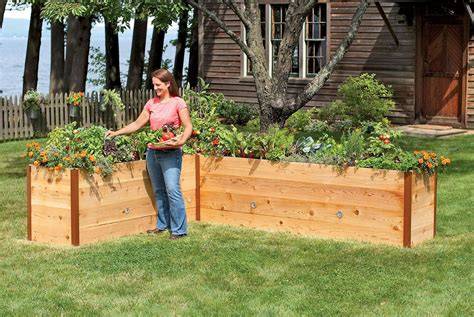
Our Cedar elevated beds provide a sturdy, rot-resistant frame that helps maximize small-space gardening while keeping maintenance manageable.
Lets construct a Greenes Fence Elevated Planter Box
The raised bed design from Greenes makes it straightforward to assemble even with limited carpentry experience, and it lets gardeners focus on what to plant rather than how to assemble the structure.
In conclusion, for gardeners with limited space, a Greenes elevated garden bed offers a combination of accessibility, durability, and yield potential. It supports a range of crops and allows you to grow more without needing more land, which is especially valuable in small-town plots or tight backyards.
| Aspect | Details |
|---|---|
| Material | Cedar wood, rot resistant |
| Height | 31 inches |
| Dimensions (example) | 24” x 48” |
| Best for | Medium to large yield of edibles, container-style expansion |