Oakleaf hydrangeas (Hydrangea quercifolia) are native to the American Southeast and stand out with four seasons of interest, offering year-round beauty in landscapes and gardens. The buds that become striking flowers form on stems in the summer before you enjoy those blooms, and the leaves provide dramatic color in fall, while exfoliating bark adds winter interest. This article compiles insights from a broad draft to present a detailed guide on whether oakleaf hydrangeas bloom on old wood, how they set buds, pruning timing, and how to maximize bloom quality across different varieties.
Blooming on old wood or new wood
Some hydrangeas bloom on old wood, meaning their flower buds for the coming season form on previous year's growth. The draft notes that some hydrangeas, such as Limelight green hydrangea, bloom on new wood grown each year, while oakleaf cultivars form buds on last season’s growth and then flower on those stems in the following season. Oakleaf hydrangeas typically set next year's flower buds in late summer and early fall after finishing this year's bloom. Always prune oakleaf hydrangeas after they finish flowering, so you do not remove the next season's buds. This practice aligns with their habit of forming buds on the prior season's growth, ensuring you preserve next year's floral display.
Growth habit and flower characteristics
Oakleaf hydrangeas are graceful, with leaves that resemble oak foliage and bark that exfoliates to reveal cinnamon-brown tones. The flowers form in cone-shaped clusters with large showy florets surrounding smaller, budlike flowers. Varieties vary in size and bloom color intensity; popular cultivars include Snowflake, Snow Queen, Ruby Slippers, Pee Wee, Alice, and others. The draft describes large clusters that crown summer landscapes and transition to pinkish tones as the season progresses. In protected locations, the leaves persist for a long period into fall before turning brilliant autumn colors and exposing the bark for winter interest.
Popular cultivars and their bloom on old wood characteristics
- Alice - One of the largest oakleaf hydrangeas, reaching up to 15 feet tall and wide; produces prolific creamy white summer flowers that age to pink and then bronze.
- Snowflake - Double-flowered clusters on a midsize plant, 4 to 6 feet tall and wide; blossoms stay abundant into summer and are highly ornamental.
- Snow Queen - Mid-size, 4 to 5 feet tall and up to 6 feet wide; summer to early fall blooms shift white to rosy pink, with fall foliage color.
- Ruby Slippers - Dwarf cultivar, 3 to 4 feet tall, 4 to 5 feet wide; white blooms shift to pink and then deep ruby red as they age.
- Pee Wee - Compact form around 4 feet tall and 3 feet wide; white blooms in late spring shift to pink and then antique tan.
Site, soil, and cultural needs
Oakleaf hydrangeas bloom best where summers are hot but with some afternoon shade; in northern regions, they can tolerate full sun. They prefer rich, well-drained, slightly acidic soil. If your soil is heavy clay, amend at planting time to improve drainage and structure. The plants strive in evenly moist soil but dislike being soggy; water deeply, then check soil moisture by hand before watering again. To prevent root rot and overwatering, ensure good drainage and consistent moisture without waterlogging.
Pruning and maintenance
Prune oakleaf hydrangeas immediately after they finish flowering to protect next year’s buds. Deadhead spent blossoms as desired and, if cutting for arrangements, you can cut longer stems before August. Pruning timing is critical because the following year’s flower buds form on late summer and early fall growth. The draft notes that pruning later can reduce flowering potential; therefore, plan pruning for a period after bloom but before new buds set. The plant is relatively pest and disease resistant, though it can be affected by spider mites; monitor leaves for signs such as webbing or speckling and treat promptly.
Fertilization
Apply a complete fertilizer at planting and then repeat in early spring each year. A fertilizer such as Pennington Rejuvenate Plant Food All-Purpose 4-4-4 at planting time provides essential nutrients and helps improve soil. For ongoing bloom and plant health, a flower-enhancing fertilizer such as Pennington Rejuvenate Plant Food Rose & Flower 4-6-3 can be used in early spring each year, following label guidelines. A well-balanced feeding regimen supports bud formation and bloom vigor in oakleaf hydrangeas.
Landscape value and additional notes
Oakleaf hydrangeas add beauty in every month of the year. The flower clusters, large textured leaves, and exfoliating cinnamon-brown bark create visual interest across seasons. In warm climates, they can be grown in full sun with adequate moisture, but in cooler regions, they appreciate some afternoon shade. The species tends to spread by suckering, so pruning runners can help maintain a desired shape and size. Their rugged beauty and reliable performance make them a staple in woodland gardens, as specimen plants, or as informal hedges in more tailored landscapes.
Common issues and pests
Spider mites are common on oakleaf hydrangeas; keep an eye out for webs on stems or holes in leaves as signs of infestation. Treatments such as appropriate miticides or insecticidal options can help, but select products that are safe for ornamentals and follow label directions. Oakleaf hydrangeas are known for being relatively pest and disease free when cultural needs are met, including proper watering, soil, and sun exposure. The bark and foliage provide additional winter and seasonal interest, making them a versatile choice for a range of garden styles.
Historical and personal notes
Garden enthusiasts often praise oakleaf hydrangeas for their four-season interest and their ability to thrive in diverse conditions. The plant’s native status to the Southeastern United States informs its adaptability to similar climates and soil characteristics elsewhere. In discussions of native and ornamental plants, the oakleaf hydrangea is frequently highlighted for its attractive foliage, blossoms, and bark, contributing to its widespread popularity.
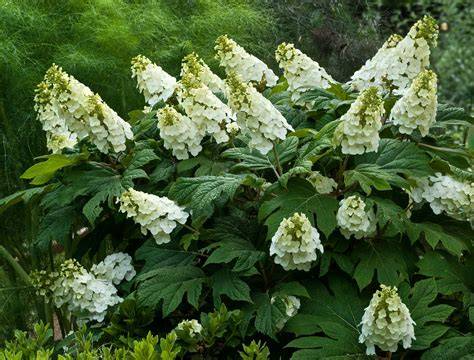
How to care for a OAKLEAF HYDRANGEA | How to Train Hydrangea into a Tree Form | Propagation Tips
Varieties for smaller spaces and specific appearances
- Pee Wee - Compact habit; ideal for small spaces and containers.
- Ruby Slippers - Dwarf form with dramatic color shift in blooms.
- Munchkin - A smaller cultivar option with appealing pink tones.
In any landscape plan, oakleaf hydrangeas provide a reliable and striking seasonal progression: white blooms in late spring to early summer, pink to rose tones through summer, and dramatic fall foliage and seasonal bark texture in winter. Their ability to perform across a broad climate range, coupled with their ornamental bark and rich foliage, makes them a versatile and resilient choice for many garden settings.