When planning a playground, schools, parks, and public agencies often face the challenge of choosing the right loose-fill surface that balances cost, safety, access, and maintenance. If you are comparing rubber mulch vs wood mulch, the best choice depends on your budget, maintenance preferences, and safety priorities. Playground rubber mulch offers longer-lasting coverage and better cushioning, while wood mulch has a lower upfront cost but needs more upkeep.
Rubber mulch is a type of loose-fill playground surfacing made from recycled tires. In playgrounds, rubber mulch serves as a protective surface, cushioning falls and reducing injuries. It provides a soft landing spot for children while playing on swings, slides, and other equipment, and can also be used in gardens and landscaping. Rubber mulch is in the lower-middle price range of playground surfacing and is chosen for durability, safety features, and sustainability, though it comes with higher initial costs and transportation considerations.
Durability and safety advantages
Playground rubber mulch provides superior shock absorption due to its unique composition. It also works with surfacing options like poured-in-place rubber. If using the right type of rubber mulch and installed in a proper manner, rubber mulch can be able to provide an adequate degree of protection to children, meeting acceptable ASTM standards. Rubber mulch lasts much longer than wood mulch because the rubber doesn’t decompose, fade, or compact easily, meaning it will retain its appearance and functionality for many years. In addition, rubber mulch is not easily degraded by moisture and weather, offering all-weather durability that wood chips can’t provide.
One of the basic and most important considerations in playground safety is how its surfacing impacts its critical fall height requirements, which have to do with shock absorbency. The regulations surrounding fall height take into account the vertical distance between the highest-designated play surface on a piece of equipment and the playground surface beneath it. If installed correctly, rubber mulch can provide adequate protection, aligning with safety standards such as ASTM F1292 and guidance from the Consumer Product Safety Commission. Rubber mulch’s dense texture also helps suppress weed growth and resists pests, contributing to a safer, cleaner play environment over time.
Maintenance: how life is kept long and simple
Maintenance is always a concern when managing playground surfaces. You want to minimize the time and effort spent on upkeep. Low maintenance is one of the most loved benefits of rubber mulch. Once installed, it requires very little attention. By contrast, wood mulch requires more regular maintenance, tends to settle over time, and needs replenishment to maintain the desired depth. Rubber mulch typically requires about 6 inches of material to protect a child from a 10-foot fall, and it lasts about 10 years before a comprehensive replacement is needed. Loose-fill materials can be dusty and may require replenishment due to weather or scattering beyond the play area.
Wood mulch, while easier on initial costs, breaks down over time, especially with moisture exposure. It may need to be replenished regularly to maintain the required depth, and it can decompose, fade, or compact, altering safety performance. Installation of any loose-fill surface is often recommended to be performed by professionals, though budget-minded districts may explore DIY installation guides. In the long run, rubber mulch’s lower ongoing maintenance can offset its higher upfront cost, making it cost-effective for many projects.
Aesthetics and color options
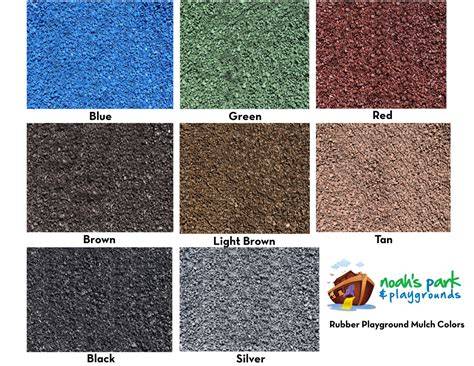
Safety and durability are paramount, but aesthetics also matter. Playground rubber mulch comes in a range of colors, allowing customization of the playground’s appearance and design flexibility. Wood mulch provides a natural, earthy look but is limited in color options and may not offer the same design versatility as synthetic options. In settings where design alignment with branding, school colors, or public aesthetic goals is important, rubber mulch can offer compelling advantages.
Cost considerations
The cost of rubber mulch and wood mulch can vary by location and product. Rubber mulch typically has a higher upfront cost compared to wood mulch, and heavier weight increases delivery costs. However, the lower maintenance and longer lifespan of rubber mulch can make it more economical over time. For those on strict budgets, wood mulch offers a lower initial price and a natural appearance, but ongoing replenishment and more frequent maintenance may add to the long-term cost.
When comparing rubber mulch vs wood mulch, the right choice comes down to what matters most for your playground. If you want a lower upfront cost and a natural look, wood mulch may fit your needs. If you are planning a playground project and want guidance you can trust, Rubber Designs can help you sort through your options, including evaluations of product availability, installation complexity, and long-term maintenance.
Safety, health, and environmental considerations
Safety is one of the most important factors to consider when selecting mulch for playgrounds. Rubber mulch is often praised for its cushioning properties and durability, reducing the risk of injuries from falls. However, some concerns have been raised about heavy metals and chemical contents in crumb rubber, though regulatory bodies such as the EPA have found many materials within acceptable limits. Rubber mulch’s environmental angle includes using recycled tires to reduce waste and conserve natural resources, though some critics point to potential environmental concerns like zinc content and possible impacts on plants if the mulch leaches. Artificial turf and engineered wood fiber (EWF) are alternative surfacing options that may be considered for larger playgrounds seeking more uniform surfaces or different maintenance profiles.
In addition, rubber mulch’s weight and potential scattering to areas outside the play zone can be a drawback for accessibility and cleanup. Regular inspections and professional installations help ensure safety standards are met, and choosing certified playground contractors can assist in ensuring proper depth, installation, and adherence to ASTM F1292 guidelines.
Practical considerations and alternatives
There are lots of playground surfacing options. For larger playgrounds, we recommend considering uniform surfaces such as poured-in-place rubber or rubber playground tiles. Loose-fill rubber mulch isn’t the only option, and while it has many benefits, it’s essential to weigh its costs and maintenance against alternatives. Sand and pea gravel are other common playground surface materials, each with its own safety profiles and maintenance requirements. For playgrounds with lower-height equipment, 9 inches of compressed sand or pea gravel may provide fall protection for certain heights, but care must be taken to ensure safety is maintained and materials remain well-maintained and properly installed.
Ready to start looking at the funnest, safest and highest-quality playsets on the market? Check out suitable options and consult with certified professionals to design the safest, most accessible playground surface possible. Rubber mulch is a popular choice for playground surfaces due to its durability and safety features, but its advantages and drawbacks should be weighed carefully against project-specific needs and local conditions.
If you’re ready to take the next steps to choosing the right type of playground surfacing for your situation, reach out to trusted providers to request quotes and guidance. With so many different qualities and characteristics to consider, choosing a playground surface can be bewildering.
Top features and quick facts
- Durability: rubber mulch lasts about 10-12 years and resists weather and heavy foot traffic.
- Safety: provides excellent shock absorption, helping meet fall-height requirements when properly installed.
- Maintenance: low maintenance compared to wood mulch, which settles and replenishes more often.
- Color and design: wide color range for rubber mulch; wood mulch offers natural aesthetics but limited color options.
- Cost: higher upfront costs for rubber mulch but lower ongoing maintenance; wood mulch is cheaper initially but may require frequent replenishment.
- Health and environment: made from recycled tires; EPA suggests levels are within safe limits, but concerns about chemicals and heavy metals persist for some stakeholders.
Fall Protection Basics - The ABC's of Fall Protection
In summary, rubber mulch provides durable, safe cushioning with low maintenance, while wood mulch offers a natural look and lower upfront costs but requires more ongoing upkeep. The best choice depends on safety priorities, budget, and maintenance capabilities for your specific playground project.