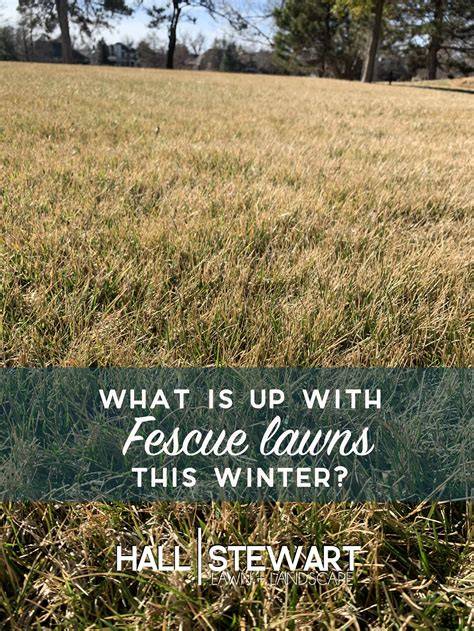
During dormancy, which typically takes place when temperatures drop below 50°F (10°C), Tall Fescue experiences a significant slowdown in growth. In essence, the grass goes into a state of rest, causing visible changes in its appearance and growth patterns. During this period, Tall Fescue ceases to grow, and its color may turn pale or straw-like, giving the lawn a less vibrant appearance.
It's essential for homeowners to be aware that dormancy doesn't imply that the grass is dead; rather, it is a natural survival mechanism to conserve energy and withstand adverse weather conditions. As temperatures gradually warm up in spring, Tall Fescue will come out of dormancy, and its growth will resume.
While dormancy itself is a natural process, other weather-related factors can also impact Tall Fescue's health. Frost, snow, and sub-freezing temperatures can be detrimental to the grass, causing damage to the leaf blades and potentially injuring the crown and root system. It is crucial to take appropriate precautions and avoid walking on or mowing frost-covered lawns, as this can exacerbate the damage. By understanding these factors and taking proper lawn care measures, homeowners can help their Tall Fescue grass better withstand dormancy and winter conditions, ensuring a healthier and more resilient lawn when spring arrives.
Implementing lawn care practices such as proper fertilization, aeration, and overseeding during the suitable seasons can aid in the recovery and overall well-being of the grass after dormancy and harsh winter weather.
Frost and Tall Fescue: What Happens and How to Treat It
Frost damage causes the tips of the blade to turn yellow, giving the lawn an overall yellow color. This is caused when the moisture in the grass blades freezes and ruptures the cells at the tip of the blades. This will grow out as Spring arrives and temperatures become more favorable for Tall Fescue growth.
As a cool-season grass, Fescue stops top growth during the cold winter months. However, the turf's roots continue growing and storing carbohydrates for the next spring and summer's growth period. Cool-season grasses do not necessarily go dormant during the winter months. This means you should water your Fescue every now and then on a mild day when there is no threat of a hard freeze overnight. If you are expecting a frosty night, water the night before. A deep watering allows the moisture to evaporate slowly overnight.
Fescue can survive some hot, dry summers if it is mowed properly throughout the year. Keeping it healthy in cool months will make it stronger in warm months. Maintain the mowing height as high as possible starting in the fall after you have overseeded. The grass should be at least 3″ high and getting it up to 4″ is even better. Mow your Fescue grass every five to seven days until the weather consistently hits 32 degrees Fahrenheit mark daily, or until it stops growing. Continue mowing as needed until the weather warms closer to the spring. It's important not to leave debris, excess leaves, or small objects on your Fescue lawn during the winter. They can get buried under frost or snowfall and smother the grass, creating conditions for disease. This also prevents further damage, so younger grass can mature.
When conditions for frost begin, it's important to stay off the grass until the frost is completely melted. It's especially important to be careful with a Fescue lawn after a frost, because the grass is still actively growing and you will still be actively mowing. Winter care for Fescue is vital for a healthy lawn year-round. If you have any questions about caring for your Fescue lawn in the winter, we're here to help.
Dormancy Compared: Fescue vs. Bermuda and Why It Matters
While it may seem like your lawn is taking a nap during winter, it still needs some care to stay in top shape. During winter, warm-season grasses go into dormancy during cold weather, like a state of hibernation. But dormant grass doesn’t mean dead grass. A dormant lawn needs late fall and winter lawn care to protect it from the cold, prevent diseases, and ensure a lush, green lawn when warmer temperatures return in early spring.
Dormancy is a natural process that occurs when the temperature drops, causing grass to slow down its growth. Compared to the active growing season in summer, dormant lawns don’t require as much lawn maintenance, but they are more vulnerable. To care for dormant grass during winter months, remove leaves and debris to prevent disease, promote air circulation, and allow sunlight to reach the lawn. During a very dry winter season, lawns may also need light watering. While the grass is dormant, it won’t recover quickly from stress. Try to avoid excessive foot traffic to prevent compaction.
Winter is also a great time for soil testing to check for any lacking nutrients. Limestone applications can be applied during winter months to help balance the pH of the soil. During early to late fall, pre-emergent weed control can be applied to prevent winter weeds from popping up during dormancy. The grass may go dormant during winter months, but weeds do not! Pesky weeds can be a bright green eyesore in dormant grass, and pre-emergent herbicides are the best way to get ahead of weed control at any time of the year. Weed prevention should be applied in each season of the year to stop weeds from germinating in the soil.
Knowing when to stop mowing is crucial for winter lawn care. As grass enters dormancy, gradually reduce mowing frequency. When the grass stops actively growing, typically in late fall, you can safely stop mowing for the season. Avoid scalping your lawn or mowing too short in the fall. Mowing too low can leave the grass exposed to harsh winter weather. When it’s time to store your lawn mower for the season, take some time to give it a good cleaning, replace the mower blades, and change the oil.
Lawns transition out of winter dormancy when spring weather rolls around. As it gets warmer, lawns will slowly green up and begin actively growing again. Spring lawn care is also important to prepare for a successful summer season. During early spring, another round of pre-emergent weed control can be applied to prevent upcoming weeds like crabgrass. Once lawns have started to green up, it’ll be time for spring aeration, fertilization, and mowing to resume.
What About Dormant Bermudа in Tall Fescue?
In some regions, dormant bermuda in fescue can be an eyesore for any homeowner who desires a uniform fescue lawn, but there are options for its elimination once summer rolls around. The important thing when noticing dormant bermuda in fescue for a homeowner is to be able to identify it and speak with their turf management company about the recommended options for its control. Dormant bermuda in fescue cannot be killed during the winter because its dormancy severely limits the success of most targeted herbicides. For lawns that have a codominance situation with just a contained patch of bermuda or an incomplete dominance situation in which the invading bermuda is a low ratio compared to the fescue, selective treatments are recommended to keep the existing fescue healthy while targeting the bermuda.
- If the majority of the lawn is bermuda or other difficult grassy weeds with little to no fescue competing successfully, the most economical and quick result is to completely kill off the lawn with a product like glyphosate toward the end of summer, followed by overseeding.
- Avoiding winter herbicide success is common, so dormancy in bermuda means plans for summer treatment are essential.
However, there is usually a good chance that a very small amount of bermuda will emerge again within a couple of seasons because a stray runner didn’t die off completely. Dormant bermuda in fescue can be an eyesore for any homeowner who desires a uniform fescue lawn, but there are options for its elimination once summer rolls around. The important thing when noticing dormant bermuda in fescue for a homeowner is to be able to identify it and speak with their turf management company about the recommended options for its control.
When Bermudа comes out of dormancy in late March to early April, the brown grass left on the lawn does not green up; the plant puts on new growth coming from the roots and stolons. As fescue comes out of dormancy, the green leaves return to a rich color and the turf starts growing.
Practical Guidance for Homeowners
Should you reseed your fescue this spring? Unless the turf pulls up when you tug on it (it is dead) or you have bare areas, seeding fescue in the spring is not best. Spring-seeded fescue will come up great, but rarely will it develop enough roots to make it through the summer heat. You will need to reseed the areas next fall. If you need to fill in some areas of your lawn, consider fescue sod in March versus seeding. Whenever possible, the best approach in the spring, including this spring, is to focus on pre-emergent herbicide applications to prevent weeds, fertilizer to strengthen the turf, and wait until fall to seed.
Between mid-February and early March cut fescue a little shorter than you left it the fall to remove the freeze damaged, brown tips. And remember: the color and growth will return as soil temperatures rise and moisture is available.
Common Issues With Warm-Season Grasses During Winter Dormancy
In summary, fescue does not go dead in winter; it goes dormant, slows growth, and often changes color. With proper winter care and planned spring recovery, a fescue lawn can rebound strongly when temperatures rise.