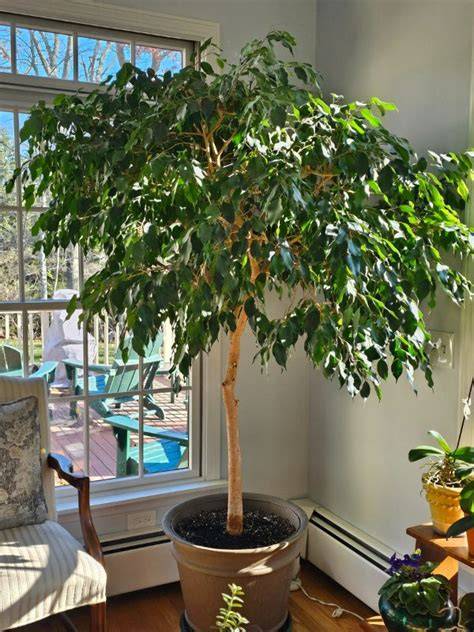
Weeping Fig-Ficus benjamina, Saber-leaf fig-Ficus maclellandii 'Alii', Fiddle-leaf fig-Ficus lyrata, and Rubber tree-Ficus elastica are among the most popular large houseplants. They are easy and low maintenance if the basic needs are met, and they can add structure, height, and lush greenery to indoor spaces. All Ficus produce a milky sap when cut or damaged that can cause skin irritation for sensitive individuals and they are mildly toxic if ingested, so keep curious children and pets in mind.
Light and position
The tropical Ficus all thrive in bright to moderate light and benefit from rotation to keep growth even. Light: bright to moderate for most varieties; rotate weekly to promote even growth. If the light is too low, ficus may drop leaves, especially on Weeping Fig, which shows a marked leaf drop when deprived of light. They generally prefer bright, indirect light indoors; an East-facing window is ideal, with diffused light from West or South windows also suitable. If you choose to move a ficus outdoors for the summer, transition gradually to avoid sunburn and leaf drop.
Watering and soil
Ficus species prefer being slightly dry between waterings but must never wilt. For watering: allow the top 1-2 inches of soil to dry before watering thoroughly. Check the bottom drainage holes to ensure the soil at the bottom does not become waterlogged, which can kill the lower roots. If waterlogging at the bottom becomes a problem, consider repotting into fresh soil. In general, the amount and frequency depend on plant size and environment: smaller pots (4"-6") may require 7-10 days between waterings, while larger pots (8"+) may need about 14 days. Rubber trees and fiddle-leaf figs can be particularly sensitive to overwatering, so ensure proper drainage and let the soil dry between waterings.
Soil, repotting, and pruning
Ficus plants require well-draining soil and a pot with drainage. Most all-purpose indoor potting mixes work well, with additional perlite or sand to improve drainage if needed. Repotting is usually only necessary when the plant becomes difficult to water or when roots are clearly bound. Figs tolerate being relatively pot-bound and should be repotted in spring when growth accelerates. When repotting, loosen coiled roots as you would for a landscape tree and use good-quality potting soil. Pruning can help maintain size and encourage bushier growth; hard pruning can be performed for faster recovery, especially in Weeping Fig. For large specimens, pruning in early spring allows summer regrowth. In general, prune to remove dead or damaged growth and to shape the plant, often guided by growth nodes to spur new branching.
Temperature and humidity
Optimal temperature for most ficus indoors is between 65-85°F (18-29°C), with a preference to avoid drafts from heating or cooling vents. Rubber trees can drop leaves if exposed to cold; keep temperatures above 55°F (13°C). Ficus benefit from moderate humidity; if humidity is low, you can increase it with a humidifier, misting, or placing pots on a pebble tray with water. Avoid letting the pot sit in water on the tray, as this can promote root rot.
Fertilizing and growth
During active growth in late spring and summer, feed with a balanced liquid fertilizer or Osmocote for the season. Fiddle-leaf figs, rubber trees, and Weeping Figs have modest fertilizer needs and may not require heavy feeding. In winter, reduce or pause fertilization as growth slows. Ficus lyrata (fiddle-leaf fig) is relatively slow-growing and can be sensitive to over-fertilizing, while Ficus elastica tolerates a variety of feeding regimens when growth is active.
Common problems and care tips
- Leaf drop is common after environmental changes (lighting, temperature, or relocation). Move gradually and provide stable light and humidity to help recovery.
- Yellowing leaves usually indicate overwatering or poor drainage; assess watering frequency and soil drainage, and repot if necessary.
- Mealybugs, scale, and spider mites can affect ficus; treat with a houseplant-safe pesticide and repeat as needed, especially in dry conditions.
- When leaves drop after repotting, normal recovery can occur; prune as needed and ensure new growth emerges with proper light and moisture.
- In case of root-bound condition, repot more gradually; do not overdo repotting, as ficus can react strongly to root disturbance.
Variety specifics
Weeping Fig, Ficus benjamina, is a classic indoor ficus with glossy, arching foliage suitable for living rooms and bright corners. Saber-leaf fig, Ficus maclellandii 'Alii', has thicker, elongated leaves and is less prone to leaf drop than some other ficus varieties. Fiddle-leaf fig, Ficus lyrata, is prized for its large violin-shaped leaves and dramatic presence, but requires careful watering and humidity management to prevent brown edges. Rubber tree, Ficus elastica, is a hardy favorite with thick, glossy leaves and has several cultivars such as Burgundy, Tineke (variegated), and Red Ruby. Other noted forms include Ficus benjamina's braided-stem varieties and the taller, elegant silhouettes of several indoor ficus species. Each variety has subtle differences in light, water, and pruning needs, but all share the same core principles: bright indirect light, well-draining soil, stable temperatures, and attentive watering.
Care in practice: quick guidelines
- Light: bright to moderate indirect light; rotate weekly.
- Water: water when the top 1-2 inches of soil dry; ensure bottom drainage is not blocked.
- Soil: well-draining potting mix; ensure drainage holes.
- Temperature: 55-85°F (13-29°C), protect from drafts.
- Humidity: moderate; raise if air is very dry.
- Fertilizer: active growth season; pause in fall and winter.
- Pruning: selective trimming to control size and encourage bushiness; handle cautiously due to sap.
Frequently asked questions
- Are ficus good indoor plants? Yes, they are popular for indoor air quality and aesthetics, but they require stable light, temperature, and moisture.
- How often should you water a ficus tree? Water when the top of the soil is dry; adjust frequency for light, size, and season.
- Should I repot my ficus? Repot no more than every other year unless roots are visibly circling the pot; spring is best for repotting.
- Are ficus poisonous? Ficus sap can irritate skin and ingestion may cause stomach upset; keep away from pets and children if sensitivity exists.
Illustrative notes for care decisions
Ficus plants are excellent for indoor spaces when given consistent conditions. If you move your ficus between spaces or outdoors and back, expect some leaf drop and allow time for acclimation. For any changes in lighting, temperature, or location, observe the plant closely and adjust gradually to minimize stress. If you notice persistent leaf drop or yellowing, reassess watering, drainage, and light exposure, and consider repotting with fresh soil if root health seems compromised.
How To Prune A Rubber Plant 🔪🌱
To summarize, ficus trees thrive indoors when provided with bright indirect light, a stable warm environment, well-draining soil, and careful watering. They can serve as striking focal points in home decor and contribute to improved indoor air quality when cared for consistently.