If you're looking for an eco-friendly and cost-effective way to keep your pond healthy, a solar pond aerator might be the solution you’ve been searching for. Traditional electric aeration systems have long been the go-to method for maintaining oxygen levels in ponds, but they come with higher energy costs and a larger environmental footprint. In contrast, a solar powered pond aerator uses the sun's natural energy to provide the same benefits while reducing your electricity consumption and environmental impact. In this article, we will dive into the advantages of upgrading to a solar pond aeration system. By harnessing solar power, you can not only improve the health and clarity of your pond but also save money on electricity bills and contribute to a more sustainable future. Let’s explore how a solar powered aerator can make a difference for your pond and the environment.
Why You Need a Solar Powered Pond Aerator
A solar pond aeration system is a powerful oxygenator consisting of solar panels, batteries, an aerator, and a diffuser. Solar panels capture sunlight and convert it into electrical energy that the pond aeration system stores in the batteries. This stored energy powers the aerator, typically a motor that pumps air into the pond. The air is pushed through a diffuser at the pond's bottom, creating fine bubbles that enhance oxygen transfer. This continuous process ensures the pond remains well-oxygenated, promoting a healthy ecosystem without relying on grid electricity. Here are the benefits of installing a solar pond aerator.
Environmental Benefits of a Solar Pond Aerator
- Reduce Your Carbon Footprint: Traditional electric aerators rely on power from fossil fuels, which contribute to air pollution and greenhouse gas emissions. In contrast, a solar pond aerator produces no direct emissions, helping to lower the carbon footprint associated with maintaining aquatic environments.
- Enhance Aquatic Health and Biodiversity: A solar pond aerator helps maintain oxygen-rich waters, preventing the buildup of harmful gases like methane and sulfur dioxide that result from anaerobic conditions. Additionally, by discouraging algae blooms, which can deplete oxygen and harm biodiversity, it promotes healthier water conditions. These improvements create a thriving environment for a variety of aquatic plants and animals, supporting greater biodiversity.
- Mitigate Eutrophication: Eutrophication is a common problem in stagnant water bodies where excessive nutrients lead to the overgrowth of plants and algae. A well-oxygenated pond promotes the breakdown of excess nutrients through natural biological processes, maintaining the balance needed for a healthy aquatic ecosystem. It benefits the immediate environment and prevents downstream effects such as hypoxic zones in rivers and lakes, which can devastate aquatic habitats.
Economic Benefits of a Solar Pond Aerator
- Reduced Operational Costs: After the initial installation, the cost to run solar pond aerator systems is minimal as they do not incur monthly electricity bills. It can lead to substantial savings, especially in regions with high energy costs or remote areas where connecting to the electrical grid is expensive or impractical.
- Low Maintenance Requirements: Solar aeration systems typically have fewer moving parts than conventional mechanical aerators. This simplicity translates to lower maintenance requirements and reduced long-term costs. Solar panels and batteries generally require only periodic cleaning and occasional replacement, which can be predicted and budgeted for.
- Increased Property Value: Maintaining a healthy, ecologically balanced pond can enhance your property's value. Installing a sustainable and energy-efficient system like a solar pond aerator shows environmental responsibility, appealing to environmentally-conscious buyers in the real estate market.
- Eligibility for Grants and Incentives: In many regions, government grants, incentives, and rebates are available for installing solar energy systems. These financial incentives can significantly reduce upfront costs, making solar pond aeration more economically viable.
Practical Benefits of Solar Powered Pond Aerators
- Operational Reliability: Solar pond aeration is highly reliable in sunny climates. Since these systems rely on sunlight, they are particularly effective during the day when oxygen levels fluctuate with photosynthesis.
- Suitability for Remote Locations: Independence from the electrical grid makes them ideal for remote or off-grid locations where running power lines could be expensive or logistically challenging.
- Scalability and Flexibility: Solar pond aeration systems are scalable, allowing you to tailor them to the size and needs of any pond. You can add panels and batteries to increase power output for larger waters or higher oxygen demands, and customize based on budget constraints.
- Quiet Operation: Unlike some mechanical aerators, solar aerators operate quietly, making them suitable for residential areas or near wildlife habitats. This preserves the natural ambiance of the setting while maintaining pond health.
Design, Operating Principles and System Components
Solar aeration systems start with a solar panel mounted on a frame or post, positioned by latitude and season to capture optimal sunlight. The solar panels convert sunlight into energy, which powers an air compressor. Past the compressor, the components are nearly identical to those of an electric-powered system: air is pumped through underwater tubing to diffusers, which release tiny bubbles that mix and oxygenate the water column. The air transfer enhances gas exchange, promoting circulation and oxygenation essential for aquatic life. The system’s performance depends on sun exposure, which can limit runtime at night or on very cloudy days.
Battery backup options can extend runtime to 20 hours per day or more under favorable conditions. When sizing a system, assess the pond volume, depth, surface area, and unique characteristics that influence aeration needs. Select appropriate solar panels, an air pump, and a diffuser system with enough capacity to run the pump even on cloudy days. Optimal placement, panel angle, and orientation maximize energy capture throughout the seasons. Panels should be mounted securely on a frame or pole, with electrical connections insulated and waterproofed to prevent damage. The air pump is typically placed near the pond edge, housed to protect it from weather. Regular maintenance-cleaning panels, checking the pump and diffuser for blockages, and ensuring secure connections-ensures longevity and efficiency.
Additional Practical Considerations
One of the benefits of solar aeration is its role in reducing foul odors and mosquito breeding by preventing stagnation. Solar technology continues to advance, expanding the capabilities and cost-effectiveness of solar aeration. The design of solar-powered aerators often includes a similar set of components to electric systems, such as an on-shore compressor and diffusion network, with the energy source switched to solar. The diffuser's micro-bubbles promote mixing and oxygen transfer efficiently, helping maintain water quality and aquatic life health even in remote locations.
In many cases, a solar aeration system is the best investment for ponds in off-grid locations or where electricity expansion is impractical. It supports cleaner water, healthier ecosystems, and reduced energy costs, while enabling pond owners to manage larger or more sensitive water bodies with flexible, scalable technology.
Notable Solar Aeration Solutions
Two specific solar aeration systems mentioned in practical guidance are the NitroAir and the TurboAir. The NitroAir features dual high-output solar panels delivering over 600 watts of power, a replaceable intake filter, and maintenance kits for long-term reliability. The TurboAir II system comes encased in a powder-coated aluminum cabinet, includes 200 feet of weighted airline and 2 single-disc diffusers with self-sinking bases, and features a self-cleaning diffuser design with a backflow valve to prevent water ingress. These designs illustrate how different ponds can be matched with aeration solutions based on depth, volume, and maintenance preferences.
Operational Realities and Maintenance
Solar aeration runtime is inherently tied to sun exposure; cloudy conditions and nighttime reduce operation unless a battery backup is present. Regular maintenance of the system-including cleaning solar panels, inspecting the pump and diffuser, and ensuring watertight electrical connections-helps sustain performance. Proper aeration supports a healthier water body, reduces algae and odor issues, and can extend the lifespan of a pond by maintaining gas exchange and circulation even in warmer months when oxygen demand increases.
Practical Takeaways
- Assess pond size, depth, and nutrient dynamics to determine appropriate aerator capacity and diffuser configuration.
- Choose solar panels and batteries sized to meet peak daytime energy needs and potential cloudy day scenarios.
- Position panels for maximum sun exposure with proper angle across seasons and secure mounting to withstand weather.
- Plan for regular maintenance and ensure robust insulation and waterproofing of electrical connections.
- Consider battery backup to extend daily runtime and maintain oxygenation during low sunlight periods.
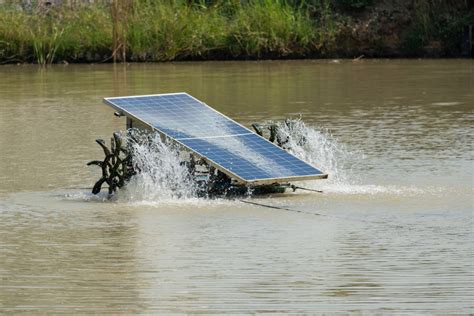
With solar pond aeration, you can keep the water clearer, oxygen-rich, and healthier for aquatic life while reducing energy costs and environmental impact. The trend toward renewable energy in pond management continues to grow, offering scalable, quiet, and reliable solutions for residential and commercial settings alike.