Fountain grasses, with their strappy foliage and showy flower plumes, add soft texture and graceful movement to the landscape. Depending on the variety, fountain grass (Pennisetum) can be a deciduous warm-season perennial or an annual grass, offering an elegant mounding habit and cascading fountain-like foliage. Feathery bottlebrush flower spikes provide late-season interest, blooming from summer into fall. Fountain grass is low maintenance and undemanding, tolerating a wide range of growing conditions. Plants quickly form a well-developed root system, making them resilient once established. With varieties in a range of colors and sizes, they can be planted in mixed borders, beds, containers, rock gardens, curbside strips and mass plantings.
Planting & Care of Fountain Grass
How to plant: Choose a site with at least 6 to 8 hours of direct sun and well-draining soil. Follow these steps and space plants 1 to 4 feet apart, depending on the variety. Loosen the soil in the planting area to improve drainage. Dig a hole twice as wide and slightly deeper than the root ball. Remove the grass from its nursery container and tease out roots if potbound. Set the plant in the hole with the top of the root ball level or slightly higher than the surrounding soil to allow for settling. Backfill the hole with soil, tamp down slightly to remove air pockets and water well. Water plants regularly until established.
Soil: Fountain grass can tolerate a wide range of soils, but prefers amended soil with good drainage. When growing in containers, use a high quality all-purpose potting mix. Make sure containers have adequate drainage holes. Watering: Fountain grass performs best with regular watering. Allow the soil to dry out a bit between waterings and water again when the top 2 inches of soil feels dry to the touch. Water more often during heat or dry spells. Plants in containers will need water more often than those in the ground. Fertilizing: Pennisetum, like most other ornamental grasses, needs little or no supplemental fertilizer. In spring, mulch around the base of plants with a layer of compost to replenish soil nutrients. Find more on caring for ornamental grasses.
TRY THESE PROVEN WINNERS® VARIETIES: Fountain grass comes in a range of sizes and colors. Annuals and perennials offer different seasonal benefits. Annuals are cold sensitive and won’t survive a freeze, while perennials are hardy in many gardens. Graceful Grasses® Purple Fountain Grass (Pennisetum setaceum ‘Rubrum’) is an annual with deep bronze-purple foliage and arching plumes. Graceful Grasses® ‘Fireworks’ Variegated Red Fountain Grass features striped leaves and pinkish plumes. Graceful Grasses® Vertigo® Purple Fountain Grass is an annual with deep foliage color. Graceful Grasses® ‘Sky Rocket’ is a compact sport with white and green leaves and pale plumes. Perennial varieties like Prairie Winds® ‘Lemon Squeeze’ and Prairie Winds® ‘Desert Plains’ are hardy in zones 5-9 and offer long-lasting textures and colors.
Fountain Grass FAQs: When to plant-for perennials, spring to early summer or late summer to early fall; ensure frost danger has passed. When to cut back-fall for tidying or late winter to early spring for winter interest. How to trim-perennials can be cut back to about 4 to 6 inches above soil after gathering foliage. Does fountain grass come back-perennials return in the next growing season if hardy in your zone; annuals die in colder zones. How big does fountain grass get-dwarf types 1-2 feet; larger varieties up to 6 feet or more. Is it a sun or shade plant-full sun, 6-8 hours daily is best. Is fountain grass invasive-varies by region; some areas list it as invasive, but breeders select low reseeders.
Landscape Uses & Focus on Little Bunny
Introducing Pennisetum alopecuroides 'Little Bunny', a charming miniature variety that brings a delightful touch of elegance and texture to any garden. This petite and graceful grass forms a compact, rounded clump typically reaching 12-18 inches in height with a similar spread. Its fine-textured foliage starts soft green and matures to warm golden hues, creating a gentle, inviting texture. In mid to late summer, 'Little Bunny' produces adorable, bottlebrush-like flower heads that rise above the foliage, creamy plumes perfect for whimsy and charm. The plumes persist well into fall, providing enduring beauty and interest.
Due to its compact size, 'Little Bunny' is an excellent choice for borders, containers, or as an accent in smaller beds. It thrives in full sun and well-drained soil, showing resilience and adaptability. This grass is low-maintenance and visually appealing, making it a practical choice for adding elegance to outdoor spaces. Imagine its presence enhancing a garden with its petite form and delightful flower heads, offering refined charm to any setting. Incorporating 'Little Bunny' promises a unique element for gardeners seeking classic charm and sophistication.
Little Bunny is the smallest of fountain grasses, staying compact enough for rock gardens, borders, containers, and small perennial beds. Its leaves are dark green year-round, turning russet gold in fall, and staying intact through winter for winter interest. In late summer, it sends forth 3-4 inch fluffy plumes-creamy white flowers that contrast with the dark foliage and provide a soft backdrop for brighter plants. It grows best in full sun, tolerates partial shade, and prefers well-drained, moist but not soggy soil. It is drought-tolerant once established and hardy in USDA zones 5-9, making it a superb choice for container gardens or mass plantings in suitable climates.
Spacing: When planted in groups or containers, space Little Bunny about 10-15 inches apart to give each clump room to develop. It is ideal for edging small borders, rock gardens, and as a spiller in mixed containers. The compact growth and graceful plumes make it a standout feature without overpowering surrounding plants. This dwarf fountain grass can also provide a quiet, evergreen texture in winter thanks to its enduring foliage and seed heads.
Care Tips for Little Bunny in Different Settings
- In containers: Use high-quality potting mix with good drainage; water consistently, especially in warm weather.
- In borders: Plant in full sun with well-drained soil; space 10-15 inches apart for a cohesive clump.
- In rock gardens: Pair with low-growing perennials and ensure soil remains moist but not soggy.
- Pruning & maintenance: Cut back before new growth in spring; remove dead foliage after winter for a tidy appearance.
- Winter interest: Leave foliage through winter if desired; fall color adds seasonal texture.
Planting & Care Snapshot
- Sun & Soil: Full sun, well-drained soil; tolerates moist conditions but not standing water.
- Water: Regular during establishment; drought-tolerant once established; reduce watering as it matures.
- Fertilizer: Minimal feeding; mulch with compost in spring to replenish nutrients.
- Pruning: Cut back in spring to encourage fresh growth; remove dead material as needed.
- Hardiness: Hardy in zones 5-9; suitable for containers and small spaces.
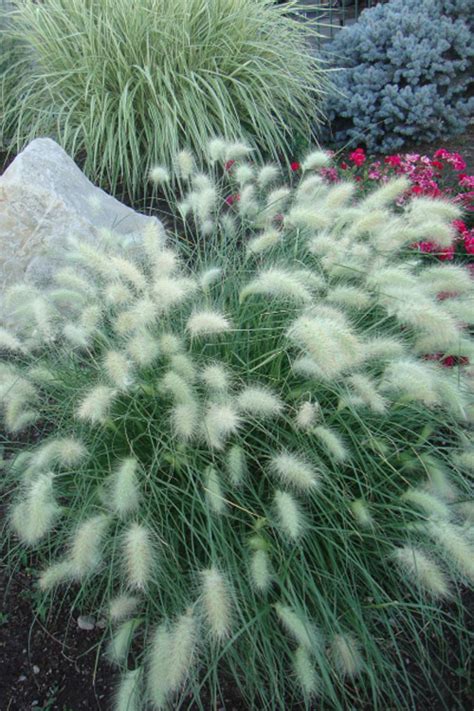
Incorporating Little Bunny into landscapes offers a compact, elegant accent that complements rock gardens, borders, and containers. Its soft texture and late-summer plumes provide year-round interest, while its size makes it adaptable to various garden plans. The plant’s resilience, low maintenance, and graceful, fountain-like habit make it a dependable choice for gardeners seeking refined charm without extensive upkeep.