Lettuces are easy to grow, and come in many colours, flavours and textures - your salads need never be boring! Choose from large, hearting lettuces to loose-leaf types and salad-leaf mixes for growing in even the smallest spaces. Lettuces are both decorative and delicious, growing well in the ground and in containers. Lettuces (Lactucasativa) are among the most popular crops to grow - quick, easy and delicious, they’re compact enough for even the smallest garden, balcony or patio container.
A single packet of seeds can give you pickings all summer if sown little and often. With their lush and often decorative leaves, lettuces are pretty enough to plant in flower borders and container displays, or as an attractive edible edging to veg beds. Lettuces are best sown regularly in small batches to provide continuous harvests and avoid gluts.
This is particularly true with hearting lettuces, which should be cut as soon as they mature, before they flower (bolt), so you only need a few ready at the same time. Loose-leaf lettuces and salad-leaf mixes are even more simple and speedy to grow than hearting types and are harvested as a cut-and-come-again crop over several weeks.
Although lettuces are easy to grow, they usually need protection from slugs and snails. Hot, dry weather can trigger premature flowering, which turns the leaves bitter, so keep them well-watered and lightly shaded in summer, and re-sow regularly so you always have replacements on hand. Home-grown lettuces beat shop-bought versions hands down for freshness, flavour and choice.
So why keep forking out for plastic-wrapped lettuces that all too often end up wilting in the fridge? It makes much more sense to grow them yourself, to enjoy whenever you want them, at their tastiest, nutritious best.
There is a huge array of lettuce varieties to choose from - ranging from crisp and crunchy to succulent and juicy, vibrant green to deep red, frilly, wrinkled or smooth, and much more. One of the joys of growing your own is the wide diversity of leaves, far greater than you can buy in supermarkets. There are hearting types, fast-growing loose-leaf varieties and lots of different salad mixes too.
Types of Lettuce and Harvesting Styles
Hearting lettuces With their dense centre, these lettuces generally take up to three months to reach harvesting size and you then cut the whole head. These are best grown in the ground, as they take up more space, but can also work in large containers. There are three main types:
- Butterhead lettuces have an open shape and soft juicy leaves with a mild flavour. They are fairly quick to mature and tolerate poorer growing conditions. Eat them fresh as they don’t store well.
- Cos lettuces (also known as romaine lettuces) have an upright, oblong head and the leaves have a crisp mid-rib. They come in various sizes, including compact ‘Little Gem’, which is ideal when space is tight or when you only want small servings.
- Crisphead lettuces produce large hearts of curled, crisp leaves with a mild flavour. They are more resistant to bolting (flowering prematurely) and store well in the fridge. This type includes the popular iceberg lettuces.
Loose-leaf lettuces and salad-leaf mixes These produce less dense foliage, ideal for picking individual leaves and for growing in small spaces and containers. They can be highly decorative, both in the garden and on the plate, with a range of leaf colours, shapes, textures and flavours. These are quicker to grow than hearting types and you can often pick your first leaves only about a month after sowing, and continue for several weeks on a cut-and-come-again basis.
More inspiration For easy, reliable and tasty varieties, look for those with an RHS Award of Garden Merit (AGM), which shows they performed well in trials. Also, for more veg-growing inspiration, visit the RHS gardens, which all grow a range of lettuces and salad crops.
What and Where to Buy, and Sowing Windows
Most gardening retailers sell a wide choice of lettuce seeds - you can buy a single variety or a mix of varieties offering different flavours and leaf colours. Although lettuce seeds are cheap, they don’t generally store well, so it’s best to buy fresh seeds each year, for more reliable germination. Packs of seeds are also available from most garden centres and online gardening retailers through spring and early summer, although the choice of varieties is more limited.
Preparing The Ground Choose a growing site with fertile, moisture-retentive soil. A sunny spot is usually best, but if sowing/planting in the middle of summer, some light shade is preferable during the hottest part of the day, as too much heat can cause lettuces to flower prematurely. Weed the ground thoroughly and remove any large stones, then dig in plenty of garden compost, to help retain moisture. Alternatively, if you're practising no-dig, the ground ahead of sowing or planting directly into the mulch.
Sowing and Germination
Sowing indoors Prick out lettuce seedlings into individual modules, so they have more space to grow. Sow lettuce seeds thinly in small pots, seed trays or modular trays filled with moist, peat-free compost, then keep in a warm, bright location such as on a windowsill or in a greenhouse. Sowing indoors gives plants a head start when conditions outside are still too cold, and keeps them safe from slugs and snails until they’re larger and more resilient.
When sowing in outdoor beds, sow outdoors from late March to late July for summer and autumn harvests. For an even earlier crop, sow indoors in early February and plant out in early March under cloches. For early winter harvests: sow outdoors in early August and cover plants with cloches from late September onwards. Alternatively, grow in a greenhouse border or container.
In summer, high temperatures can prevent some varieties from germinating. So during hot spells, sow in the evening, water with cold water and provide some shade to keep temperatures down. Thin out lettuce gradually to 15-30 cm apart - this is particularly important with hearting lettuces to ensure a firm head forms. The seedlings you remove can be added to salads.
Care After Sowing
Water young and newly planted lettuces regularly in warm, dry weather. Aim to keep the soil consistently moist, as a lack of water can cause bolting, which ruins the crop. Plants in containers are particularly vulnerable, so keep them out of the midday sun and check them regularly - they may need watering daily in summer. Mulching helps retain moisture in the soil and stop it drying out in hot weather.
Lettuce plants don’t usually need feeding, but if you grow them in a container, you can apply a general-purpose organic liquid feed fortnightly through the summer. Keep and young lettuce plants free of weeds, so they don’t have to compete for water or sunlight, which can slow their growth. Dense weeds can also offer hiding places for slugs and snails, and reduce air circulation, which can encourage fungal diseases such as grey mould.
Harvesting and Time Frames
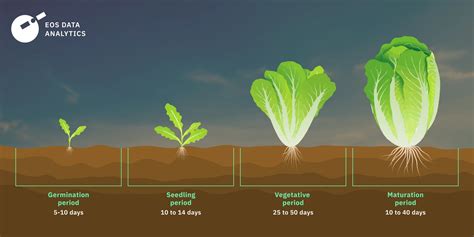
Lettuces grow fastest in warm weather, with loose-leaf varieties ready to pick in as little as four to six weeks. Hearting lettuces take longer, around 10 to 14 weeks, depending on the variety and time of year. Harvest in the morning if possible, when the leaves are fresh and juicy. In hot weather, put individual leaves straight into water to keep them from wilting.
Whole lettuces are ready to harvest when a firm heart has formed - cut through the stem leaving a stump about 2.5 cm tall. This should re-sprout leaves to give you at least one, if not two, additional smaller harvests. Loose-leaf varieties can be harvested as soon as the leaves are big enough to be worth eating, when about 10 cm long. Harvest as a cut-and-come-again crop - either snip a few leaves from each plant along the row, or let plants grow to maturity and snip all the top growth in one go, leaving a short stem that should re-sprout at least one more crop of foliage, as long as the weather isn’t too hot or dry.
Problem Solving and Germination Realities
Lettuces are attractive to various garden creatures, including slugs and snails, aphids and cutworms, while birds sometimes peck young plants in early spring. In cool, humid summers, grey mould may affect the leaves, and in hot, dry weather lettuces may start flowering (bolting), which turns the leaves bitter. Hot weather can also reduce seed germination, so in summer sow on cooler days or in the evenings, once temperatures drop.
Four weeks is possible, but in practice many growers wait six weeks, especially when starting indoors under grow lights to control light and temperature precisely. Early in spring, temperatures often dip below 10°C (50°F), and sometimes even drop below freezing. In those conditions, seeds germinate more slowly, and sprouts grow at a much slower pace. Winter sowing can slow growth, but with an artificial environment, seedlings can reach transplant-ready size in about four to six weeks.
What matters in the end is what the plant becomes, and not how fast it gets there. If you want near-perfect conditions, grow indoors under grow lights where you can fully control light and temperature. Outside, conditions vary, so be realistic about timing and patience will reward you with strong, healthy transplants.
Growing Lettuce Seed to Harvest Timelapse [69 Days]
Related RHS Guides You can also explore the Sowing Lettuce seeds indoors or outdoors, in containers or in the ground, from spring through to autumn. Lettuce plants, especially loose-leaf varieties, take up very little space, so are handy for filling any small gaps on the veg plot. They can also be sown between slower-growing crops, such as parsnips and sweetcorn, as they will be harvested before the main crop needs the space.
Harvesting Timelines at a Glance
- Loose-leaf varieties: 4-6 weeks to first harvest leaves; ongoing cut-and-come-again harvest for several weeks.
- Hearting varieties: up to 3 months to harvest a full head; final harvest when the heart is firm.
In warm climates or seasons, frequent sowing helps maintain a continuous supply. In cooler periods, choose varieties that tolerate lower temperatures and provide protection with cloches or fleece as needed.