Peaches have a long history. Sweet, white-fleshed peaches have been consumed for thousands of year in China. Even today, many cultures, including Asian and Hispanic, still generally prefer white peaches for their sweeter taste and lower acidity. Here in the United States however, many people prefer yellow peaches, which offer a hint of acidic flavor that balances the sweetness.
Home gardeners as far south as Fort Meyers may have luck growing peaches (Prunus persica). Trees planted in the spring can be expected to begin fruiting the following spring. When thinking about fruit production, keep in mind that these trees will not live and produce fruit in perpetuity.
Growth stages and fruiting timeline
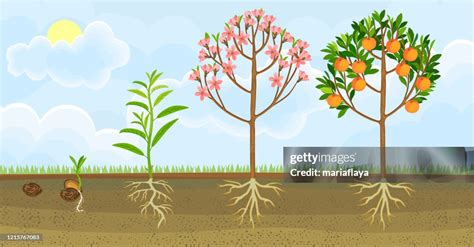
Peaches start producing flowers and fruits at around 3 years of age. A peach tree takes around 3 to 4 years after planting to start bearing fruits, and a tree can take 4 to 6 years to fully take off. This will all depend on the variety of the tree, the weather conditions, and the care taken. Depending on the age of the tree you planted, your tree may already start blooming and fruiting in these peach tree growth stages. It will spend a lot of energy growing roots and branches during this time. If your tree starts fruiting in its first two years, it may be a very light harvest. This is perfectly normal. Your tree is still getting established and growing.
For established trees, a healthy tree can continue producing fruit for 7 to 15 years. Trees will continue to grow and mature each year and require regular care and maintenance throughout their lifetime. It is generally recommended to prune your tree twice a year to maintain vigor and fruit production. Pruning helps promote new growth and better air circulation, which supports fruiting on one-year-old wood.
Choosing varieties by chill hours and fruit type
Chill hours are the winter dormancy requirement that helps a peach tree bloom in spring. The exact number depends on the variety, but it can be anywhere from a hundred to more than a thousand. For Florida, the old recommendation was 400-500 chill hours, while newer guidance often targets about 300 hours. “FloridaCrest” needs 350 chill hours and is the best melting-flesh peach currently available for North Florida. “FloridaDawn” also produces a melting-flesh, semi-clingstone fruit with an extended bloom period that can be beneficial after early spring frosts. If you are looking for non-melting varieties, you may find “UFGold” or “UF2000” varieties. “UFGold” needs 200 chill hours and ripens about 80 days after blooming. “UF2000” is another non-melting clingstone peach with heavy annual crops of moderately large fruit that ripen mid-season.
Most peach varieties are self-fertile, meaning a single peach tree can pollinate itself and produce fruit. However, some varieties may benefit from cross-pollination with another peach tree nearby. Over 300 varieties of peach can be grown in the United States, and many are grafted onto hardy rootstocks to improve vigor and fruiting reliability. When buying, many growers receive bare-root trees in late winter or early spring, while local nurseries often sell potted trees for convenience.
Site, soil, sunlight, and care essentials
One of the preparation checklist items for a peach tree is selecting the right spot for your tree. It is ideal if the tree can get sunlight for 6 hours a day. It is impossible for the tree to fully develop and yield any fruits without sunlight. Peach trees need a minimum of 8 hours of sunlight per day. The soil for your tree should stay consistently moist but never soggy. Provide enough room for your peaches to grow without direct competition from other trees. Try to avoid planting your tree over pipes, as the roots may grow around the pipes making maintenance difficult and may puncture older pipes.
Peach trees are among the most hardy and can survive a range of growing conditions including pH levels and a wide variety of soil conditions. Due to the necessity of moisture for a peach tree, the sapling should be adequately watered after planting. After moisture is retained, enough soil should be surrounding the roots to allow for unrestricted growth. For proper circulation, the trees should be spaced at least 15-20 feet apart. Peach trees should not be missing water and especially so during the dry and fruiting seasons. Small trees require around five gallons each week while grown trees are watered during the hotter summer months. Placing mulch around the tree will seal in the moisture and reduce the moisture which can be detrimental during the rest of the growing season.
Fertilization, irrigation, and pruning basics
Pepper-trees require fertilizing. The balanced types with equal parts of nitrogen, phosphorus and potassium in the lead of spring and summer will help. Pruning goes hand in hand with other tree care techniques. Since peach trees tend to produce fruit on one-year-old wood, it is essential to prune them to a certain extent, and to do it frequently, in order to promote new growth. The best way to shape a peach tree is open-center, chambered, shapely like a vase. By keeping the peach tree in an open-centered shape, it sunburns or sun settles evenly, causing the tree to ripen all at one time.
For pruning, remove anything that is thinner than a pencil in diameter or has “blind” wood, meaning there are no leaf or fruit buds on a branch. Having leaves around your fruit is important; without leaves a peach will not have a desirable flavor or size. The first rule of pruning is to avoid creating problems; never prune dead or diseased wood first. Use the right tools, balance cutting on different parts of the tree, and keep cuts to about 45 degrees to encourage growth. Prune in winter and spring when the tree is dormant.
Be sure to start preventative sprays after you harvest your fruits to manage diseases like peach rust and peach scab. Common fungicides such as sulfur, Oxidate, or Serenade, applied weekly or bi-weekly, can help keep fungal diseases at bay. Alternatively, multi-purpose stone-fruit-safe fungicides can be used less frequently. Regular irrigation is essential; during the growing season, aim for about 1 to 1.5 inches of water per week. Mulch around the tree to preserve soil moisture and deter weeds. Fertilize your peach tree each spring with a slow-release fertilizer that has a balanced nitrogen, phosphorus, and potassium ratio.
Harvest and fruit care
You can usually tell when peaches are ripe because they are fully yellow-orange with no more green. Peaches are delicate and bruise easily. When fruits are ripe, gently grasp the fruit, twist, and pull with a slight upwards tug. Peaches will continue to ripen after harvesting, so harvest all the ripe fruits promptly to avoid spoilage. Fresh peaches don’t store well and are best eaten soon after harvesting; if needed, they can be refrigerated for a few days.
How to Prune a Peach Tree | Right to the POINT!
Growing peaches in your own backyard can be a fun and rewarding experience. They are unique treasures to any garden and orchard to behold, complemented with spring blossoms and providing rich shade during summer due to their foliage. Peach trees are very easy to take care of for both novices and experienced gardeners. Prunus persica, part of the Rosaceae family, is the scientific name of the peach tree, believed to have originated from the northwestern part of China. They do well in temperate climates, turning from crimson to vibrant yellows during the summer and blossoming again in late summer.
There are dwarf varieties that can be grown in large containers and standard-size trees that make attractive landscape plants. Contender grows in many climates, self-pollinates, and produces an abundance of medium to large juicy fruit-along with pink blossoms in spring and foliage color changes in autumn. Start with a healthy young tree and provide adequate sunlight, water, and good soil. A young peach tree focuses its energy toward getting established and developing healthy roots and branches. Peach trees can be a great educational tool for families, teaching about gardening and sustainability.
Growth stages at a glance
- Seedling or grafted start - initial establishment and root growth.
- Early growth - rapid shoot and root development with occasional flowering.
- Fruit set and development - depending on variety and conditions, fruiting may begin within 3-4 years after planting.
- Mature fruiting - regular bearing for several years, typically 7-15 years of productive life.
What can you expect from each peach tree growth stage? How long does the process take? The peach tree growth timeline is influenced by variety, climate, chill hours, sunlight, watering, and pruning. For many gardeners, patience is rewarded with homegrown peaches that combine fragrance, flavor, and sunshine.