The macadamia nut tree is a fast-growing, medium-sized evergreen tree with heavy, dark green foliage that hails from Australia. Its leaves - which are blunt tipped, oblong, and generally a foot or more longer - develop in either whorls of twos, threes, or fours, but are rarely solitary. Macadamia flowers are small and whitish, hassled and growing on long spikes, while its nuts can ripen throughout the year, though they primarily ripen in the fall and the spring. The nut has a leathery case that is 1 inch in diameter, containing either a spherical nut or two hemisphere nuts.
In Hawaii, commercial macadamia nut orchards are planted with grafted seedlings. The trees require careful management for profit and good nut quality, especially during the early years when they are most vulnerable.
Choosing the right starting material
Macadamia nuts can be grown from seed, but grafted trees are often preferred to ensure the fruit type and nut quality you expect. Because they are susceptible to many pests and diseases, regular monitoring and control measures are essential. Fresh nuts in their shells are best for germination; the kernels by themselves won’t germinate, so make sure you use a nut in its shell. Soaking the nuts overnight in warm water the day before you plant them lets them know it’s time to grow.
When you’re ready to plant, start with a small pot, about the size of a one-litre ice cream container, and add a good-quality, free-draining potting mix. No fertiliser is needed, as the nut contains all the goodness a young sapling requires. To give your nut the best chance to sprout, place it 1 cm below the surface of the potting soil, with the micropyle facing to the side for best results.
Germination and early care
Macadamias are slow growing, so your nut will take a few months to sprout. When your sapling has grown a few sets of leaves and its roots fill the container, transfer to a bigger pot or out into the garden. Place the pot in a warm, sunny spot and keep the soil moist but not wet. Check moisture by inserting a finger into the soil; if moisture sticks to your finger, it’s too wet.
In the garden, dig a hole in a sunny, well-draining part of the garden, just deeper than the container. Plant the sapling with soil around its roots, gently bedding it in and watering well. Continue to provide at least two full cans of water every other day for about two weeks after transplanting. Macadamias are slow to establish, and it can take several years before you see significant growth or shade.
Environmental considerations and placement
Macadamia trees thrive in subtropical climates with mild temperatures and ample rainfall. If you are in an area with hot, dry conditions, adequate irrigation during flowering time is crucial for good yields. In many landscapes, wind protection is beneficial since strong winds can damage new growth and cause nuts to fall prematurely. If you are planting for shade, a tall, fast-growing tree can help, but temper expectations about rapid nut production.
For gardens with heat-retentive walls or reflective surfaces, select a site with well-drained soil, deep organic matter, and protection from extreme conditions. Frost-free conditions are ideal, and wrapping the trunk during frosty periods can help protect young trees in marginal climates.
Growth timeline and yield expectations
Macadamia trees take years to bear fruit. In many regions, a grafted tree may begin producing in 4-5 years, with full production typically reached around 10 years of age. When grown from seed, outcomes vary; some trees mature into good producers while others yield small nuts or few nuts. In commercial settings, grafted varieties such as Beaumont, James, or Cate are often preferred for predictable results.
As trees mature, they offer shade and can contribute to a landscape with edible nuts. In addition to nut production, macadamia trees help support local ecosystems by providing habitat and contributing to soil moisture retention and erosion control. In regions like Hawaii and parts of Africa, the nut industry has integrated grafted seedlings and careful management to optimize yields and nut quality.
Harvesting, processing, and storage
Macadamia nuts are harvested manually after falling, which can occur for eight to nine months of the year in suitable climates. On relatively even land, large-scale producers may use mechanical sweepers and pickup devices to harvest efficiently. Unhusked nuts should not be stored for long; husk the nuts promptly and air-dry them or process them the next day. Freshly fallen nuts are encased in a green husk that must be removed before processing. The inner shell is very hard, which allows cracking to occur in processing facilities or with careful equipment at home.
After de-husking, the kernels are typically dried to reduce moisture content before cracking. Macadamia nuts can be consumed raw or roasted, and their rich, buttery flavor makes them a popular ingredient in confectionery, baking, ice cream, and snack foods. The oil from macadamia nuts is valued for use in cosmetics and skincare due to its moisturizing properties and oxidative stability.
Practical tips for home germination
- Use fresh nuts in their shells for germination, as kernels alone will not sprout. Soak overnight in warm water to initiate growth.Plant the shell 1 cm below the surface with the micropyle facing sideways. Keep the soil warm and moist, but not waterlogged. Transplant when the seedling has a few leaves and a well-developed root system. Provide steady moisture and protection from extreme heat and wind during the early years. Consider grafted varieties if you want predictable fruiting in a shorter time.
- For shading purposes, do not expect rapid fruit production; plan for slow growth and long-term care. In hot, dry environments, implement drip irrigation during flowering to maximize yields and protect the trees during drought periods.
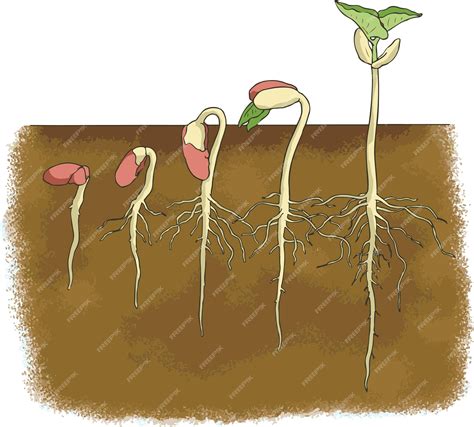
Illustration and reference image
How to Grow Macadamias From Seed With Results
In planting and maintaining macadamia trees, you may encounter questions about germination rate, environmental suitability, and optimal varieties for a specific climate. Start with fresh, in-shell nuts, soak before planting, and provide warmth and moisture for successful germination and growth. Grafted varieties offer more predictable outcomes for nut production and tree shape, but seed-grown trees can also become productive with patience and proper care.