Informed by experience, contemplation and communication with other breeders, my pollination method for breeding apples has changed a lot over 11 years. This blog post will cover what I used to do and what I do now and why. The new method is much easier and more efficient, though it has it’s potential pitfalls. I’ve been at this project for over a decade, and have now observed enough in the way of results to matter. I feel like I have a much better idea of what I want to pursue in apple breeding, and what crosses are most promising. I also have a lot more genetic material to work with, because the number of apples that I have collected and fruited is much higher than when I started. Maybe most exciting, I’m now using a lot of my own seedling apples as parents. It won’t be too long before some of those fruit and I can enter a third generation of breeding. I spent some time this spring starting to lay out this and other projects under a new webpage, PROJECTS.
From delicate emasculation to controlled bagging
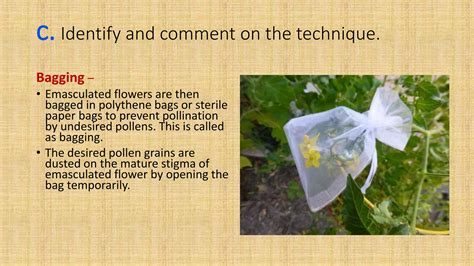
When I first started pollinating apple blossoms for breeding, I would delicately pluck the petals from a few unopened clusters, then remove the pollen bearing male parts with tiny scissors before pollinating what was left of the blossom. I could see a lot better back then, but it was still ridiculously finicky and time consuming. Early efforts involved delicate emasculation of blossoms. Then I found out that some breeders bag a whole tree or branch and pollinate any flowers that are opened once every day or two. Obviously they were not worried about self pollination. I also knew that apples were generally not self pollinating, so I stopped removing the male parts, which saved a huge amount of time. Last year, I was pollinating some Cherub blossoms and saw a bee visit the petal-less flowers I had just finished pollinating. I thought maybe it was a fluke. But, then instead of going to another open flower, she went to another petal-less cluster I had just pollinated! Okay, so I started bagging everything. That was easy, because I had bought some organza bags to experiment with for fruit protection. Organza bags are sheer nylon mesh bags commonly used for gifts, wedding favors and stuff like that. I ordered a bunch of new bag sizes up to 16 x 24 inches and determined to bag all pollinated blossoms henceforth.
Bagging as a core workflow
This year, I went around before trees were really blooming out, and bagged many branch tips and flower clusters before they opened. If a few flowers are already opened, I removed them. With good bagging, I have full control over who applies the pollen, me or the bees. I am also now relieved of the time consuming task of plucking away the flower petals. Once the flowers begin to open, I take off the bag once every couple of days and apply pollen to any open flowers. As the season progresses, it is obvious that some flowers have been open for a while and I stop pollinating those. I am not sure how long the fertile window of apple blossoms are, but some are obviously much fresher than others. With this method, it is fairly efficient to pollinate a lot of blossoms, but not without potential faults.
Practical costs and contamination concerns
For one thing, I had to buy a lot of bags. They are not really expensive, but eventually it adds up. The bags are fortunately very reusable and reasonably durable. Another issue is that since I’m leaving the pollen bearing anthers on, and I used the same pollen on a lot of different varieties, I’m getting some cross contamination from tree to tree. The flowers are insect pollinated. With no insects visiting the flowers, the pollen just sits there. So I’m collecting pollen with my brush while I’m dispensing it. This contamination issue could be rectified simply enough by using separate brushes for each variety I’m pollinating. But with varieties I use a lot, like Appleoosa or Whitwick Pippin, I would have to keep track of a lot of different brushes. I can’t afford to throw brushes away, because a lot of pollen goes with them. I just ordered some microfiber makeup applicators, which are much smaller. Maybe those will allow me to use multiple brushes for a single pollen variety.
Embracing a little chaos and wild cards
Perhaps I will come up with an elegant solution to avoiding cross contamination, but I’m not very motivated to. I actually kind of like the random factor thrown in the mix. Since I would only be contaminating the brush with other apples I use in breeding, the element of chaos that is thrown in is a focused chaos. I like having these wild card crosses. I think it is a good idea to contemplate what might cross well with what and to choose both parents, but it is not at all possible to predict exactly what the result will be. For instance, late in the season here I was just putting Wickson pollen onto Rubaiyat. But I’ve already pollinated Chestnut Crab, William’s Pride, Sunrise, Whitwick Pippin, Pink Parfait, King Wickson, Cherry Crush, Appleoosa, Golden Russet and several unnamed seedlings with the same Wickson brush. None of those accidental crosses sound so bad.
Hand-pollination basics and a broader pollination context
There are very few things in this world that match the significance of pollination and the role it plays in your life, whether you’re aware of it or not. To put into perspective how important the process of pollination is, imagine a world where no more babies were born. Need to skip ahead? Simply put, pollination is the process of sexual reproduction by which a seed or fruit is made. No pollination means no fruit, no flowers and no life. The world as we know it exists thanks to pollination, and it's well worth your time to make sure you get it right when growing your own fruit. However, pollination can be complicated and difficult to understand when you don't know the basics of the process. Pollination is the process by which pollen is transferred from one flower to another, resulting in a fruit or seed being made. The female parts of the flower are collectively called the “pistil”. The pistil is comprised of the stigma, style and ovary that work together to transfer the pollen from the top of the stigma, down the style to the ovary, which has the ovule (aka. The ovary, once fertilized, swells and grows into your fruit with a thick barrier around it to project the precious seed inside. The male parts of the flower are collectively called the “stamen”. The stamen is comprised of filaments, anthers and pollen grains. Other, but equally important parts of the flower that help pollination along are the petals and bracts. The botanical term for petals is “corolla” and is what you’re most likely already familiar with. Bracts are modified leaves that surround the flower. Some examples of showy bracts acting as flowers can be found on the poinsettia, hydrangea, and bougainvillea plants, which is why they last so long. The “petals” are actually colorful leaves. Nature has the process of pollination down to a science, from dropping its petals when a pollinator is no longer needed, to creating enough reward for pollinators to visit their flowers. Cross pollination is when pollen from a separate flower fertilizes a flower on a completely different tree. Of course, when it comes to something so diverse as plants you can’t expect them to all operate the same way. There are some plants that are only female, others that are both and some that even change! To make things even more complicated, these three types of flowers can be arranged differently depending on the tree. Most of your fruit trees will have perfect flowers on one tree, so that you have male and female parts in every flower. However, there are occasionally some like kiwis where you will need both male and female kiwi plants to see any fruit. As you can see, pollination can be quite complex, but when you break it down you really just need male parts, female parts and compatible pollen. Insects are the most well-known and common pollinators and carry out the process of fertilizing plants. Insects are not the only pollinators out there. Some plants rely on animals like birds for fertilization. The wind can be a mighty thing, and some trees use it to their advantage to get pollinated. A good example is a walnut or chestnut tree that has long, tassel-like flowers that sway in the wind and disperse pollen in the air. Water is used by the plant to grow but also reproduce. Not all flowers are attractive or even smell nice. Flowers exist for function, not beauty. By knowing what kind of flowers you have in your garden, you can match them to their pollinators! Moths: Big white flowers that open during the night will draw in moths. Flies: Dark brown and red flowers that smell like rotting meat will attract flies. Bees: Large, showy flowers with bright colors and sweet scents attract bees. Beetles: These are very primitive pollinators before bees and butterflies were around. They’re not the most graceful, so most flowers that are beetle-pollinated will be cupped or bowl-shaped with shallow pollen. Wind: Long, tassel-shaped flowers called catkins hang down and sway in the wind, dispersing their pollen to the sometimes sticky female flower close by. Butterflies: These flying friends aren’t as efficient as bees due to the shape of their bodies.
Practical tips for responsible pollinator management
There are many chemicals and sprays you can use to control pests like mosquitoes and wasps, but did you know that the same sprays might be killing off your bees, as well? To avoid this, read the label! Make sure you know what you’re putting in your environment to avoid unintentionally killing off pollinators. Also, only spray if you absolutely must - many times you can combat pests using natural alternatives. Insects like butterflies feed on milkweeds, lay eggs under the leaves, then have to survive being a caterpillar long enough to transform into a butterfly. Nature is oftentimes messy and fallen leaves, grass clippings or plants that die back may mess up your perfect lines, but learn to embrace the mess! One of the best things you can do for your backyard pollinators is letting nature take the lead. Consider dedicating part of your landscape to nature - don't rake up all the leaves and debri and let the wildflowers grow and naturally die back. Next time you’re in your garden and see a pollinator buzz by, make sure to thank them for their service! Without all of these hardworking friends, we wouldn’t be able to live life as we know it and your fruit trees wouldn’t exist.
Hand-pollination workflow for indoor and diverse fruit crops
We're guessing you have plants-but not a bee hive-in your house. In cases of indoor fruit trees or trees (like tropical plants) without their natural pollinator present, you might need to step in and hand-pollinate. Locate an open flower and look for the yellow pollen! Take your tool and gently collect the pollen and swirl it around the flowers. If you have multiple plants, go from plant to plant. Pro Tip: Think like a bee! Even your tropical fruits can grow among your more “traditional” orchard fruits like apples and peaches. The great thing about plants is that they are adaptable, but some of these tropical types may require special care to produce fruit. Bananas can be grown for fruit or ornamentally (meaning just for beauty). Before choosing make sure you have a fruit-producing banana. Bananas only produce one harvest per stock. Flowers contain both male and female parts in the same flower. Local insects will be enough to get some mango fruits. Papayas come in male and female trees (separate) and can also come on the same tree (hybrids). Check your variety to see if you need a partner for pollination. There are several hybrids that are self-fertile that can produce fruit on its own. Interestingly male and female papayas can produce fruit but the females have the tastier and larger fruits. Bats are the main pollinators here as the flowers open at night and don’t last long. When you see a flower bud be quick to act as they open and close fast. Wait till it gets dark for them to open up to get to the pollen. Tamarind flowers resemble orchid flowers but on a tree! The flowers have nectar and attract all kinds of insects like bees, wasps, butterflies and ants. Most of the pollination work will be done by bees. The flowers will turn into delicious pods in around two to three months after pollination. They are very similar and closely related to the Lychee. Once a flower is pollinated it is quick to start turning into fruit. It is very common for longans not to produce a harvest every year or the same year to year. This is not due to lack of pollination, it is just how to tree behaves and is strongly influenced by the weather. Not all the flowers will flower at the same time, meaning you might have flowers in different stages on the same tree. Bees will do most of the work pollianting your lychee. Note: yellow passion fruits need another yellow passion fruit variety to cross pollinate with. The flowers will first open as female flowers then the next day as male flowers. Because the flowers switch sexes the timing has to be right. We recommend hand pollinating your tree back-to-back days during the hours of 2-5 pm as that is when the flowers are most open. Mature pods that are full-sized are not edible, only when they are younger or around 6 inches in length can they be eaten. The flowers look like little green-white bells that hang downwards under the leaves. You need two separate cocoa trees in order to get fruit. Cacao flowers hide their pollen under their petals. Even with all this knowledge, we understand that pollination can still be tricky. Check out our new pollination checker to help you determine that you have a good pollinating pair.
Apple-specific notes for home gardeners and breeders
Apple trees are easier to grow than many gardeners think-especially if you choose self-pollinating apple trees. If you’ve ever wondered: are apples self-pollinating? Most apple tree varieties need a partner tree because apple trees require cross-pollination from compatible cultivars. However, several varieties are self fertile apple trees, meaning they can set fruit with their own pollen. If you’re gardening in a small space or planning a patio orchard, choosing the right apple tree matters. While most apple trees produce heavier crops with a pollination partner, some self pollinating apple varieties are partially self-fertile and can still set fruit when grown as a single tree. Golden Delicious is one of the best-known partially self-fertile apple varieties. It can produce fruit on its own, though harvests are usually heavier with another apple nearby. Gardeners love it for its sweet, balanced flavor and versatility for fresh eating, baking, and cooking. Granny Smith is partially self-fertile and capable of producing fruit as a single tree, though yields improve with cross-pollination. It’s a reliable choice for cooler climates and small gardens, especially on dwarf rootstock. Gala apples benefit from a pollinator for best production, but some gardeners report light fruiting when growing a single tree under ideal conditions. Known for their sweet, mild flavor and early harvest, Gala trees are popular in home orchards. Fuji apples generally require a pollinator for consistent fruiting, though occasional fruit may develop when grown alone. This variety thrives in warmer climates and is prized for its very sweet, crisp apples with excellent storage life. When grown on dwarf or semi-dwarf rootstocks and maintained with regular pruning, these apple trees typically stay under 15 feet tall, making them well suited for small spaces. Even self pollination apple trees need full sun for best results. If you’ve always wanted an apple tree but lacked the space, self pollinating apple trees are the perfect solution. Which apple tree is best for a small garden? Dwarf varieties like Dwarf Gala, Dwarf Fuji, Dwarf Granny Smith, and Dwarf Honeycrisp are ideal for small gardens, staying compact while producing fruit. What apple trees are self-pollinating? Golden Delicious is fully self-fertile, and Granny Smith can fruit on its own.
Practical table: self-fertile vs cross-pollination apple varieties
| Variety | Self-fertile | Cross-pollination recommended | Notes |
|---|---|---|---|
| Golden Delicious | Fully self-fertile | Not required but beneficial | Good for small spaces |
| Granny Smith | Partially self-fertile | Yes for higher yields | Cool climates |
| Gala | Partially self-fertile | Recommended for best production | Popular in home orchards |
| Fuji | Generally needs pollinator | Yes for consistent fruiting | Warm climates |
| Dwarf Gala | - | - | Ideal for small gardens |
If you’ve ever wondered which apple trees are self-pollinating, Golden Delicious is fully self-fertile, and Granny Smith can fruit on its own.