Limelight hydrangea (Hydrangea paniculata ‘Limelight’) usually stays around six to eight feet tall, but it can put on two to three feet of growth per season and get as tall as fourteen feet. Left on their own, hydrangeas tend to grow as rangy, unkempt, multi-stemmed shrubs. But we can do better. We have pruning shears!
Limelight hydrangea is often trained to a branch-headed standard (read more about basic pruning for trees here). A branch-headed standard is a tree or shrub pruned and trained to have a rounded “mop” head of branches atop a clear stem. This differs from a central-leader standard whose branches retain a more elongate and feather-like shape atop a clear stem. Since the panicle hydrangeas (including Limelight) bloom on new wood that develops in the current season, they can be pruned any time of the year without cutting off future flower buds. Staking and tying your tree will help maintain structure and keep it safe.
Choosing and establishing the central leader
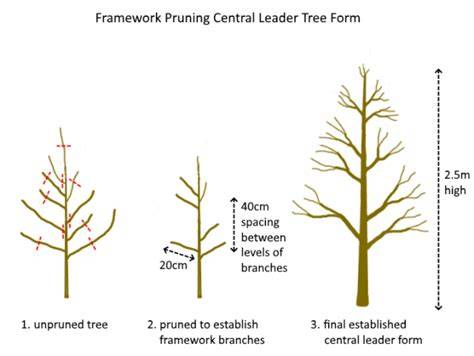
Select the strongest and straightest upright stem to be the central leader or “trunk” of your hydrangea, then remove any other wannabes. If you’re starting with a good sized plant, you may already have a suitable central leader. If not, you may need to use a stake to keep the anointed stem growing straight up. Since it has no competition, the chosen trunk-to-be will grow faster and stronger, and soon will be a genuine trunk. Constantly remove any other shoots that come up from the ground.
Developing the crown and pruning cuts
Side branches that grow from the main stem can be shortened to a few leaves and left until the main stem reaches the desired height; these leaves will provide energy to the growing main stem. Eventually we will want this central leader to be clear of any side branches for around two to four feet - your decision. It may take a year or two. Make your pruning cuts just above paired buds; these buds will become two new branches growing opposite each other. Cut back to strong paired buds that are directed sideways, rather than towards the center and outside. When the central leader is the desired height, cut the tip off to halt its growth. We want our limelight hydrangea to have a rounded crown atop a smooth, straight trunk - like a lollipop.
Maintaining the tree form
Remove side branches on the lower two-thirds of the main stem as they appear. At least once a year, shorten long branches growing on the upper third of the main stem by a third of their total length. Removing smaller internal and side shoots which tend to produce smaller flowerheads than do the larger, outward growing branches.
Practical considerations and care
Pruning a limelight hydrangea into its form of the tree is not the easiest task. It can be done though! We here at Perfect Plants already went through the motions for you and have a Limelight Hydrangea Tree for sale for those who do not want to try out this gardening endeavor. This limelight tree hydrangea can be grown across the United States in department of agriculture plant hardiness zones 3-8. Hydrangeas bloom on a single stem. Your yard will thank you after pruning this shrub into its tree form or just purchasing the already trained tree.
Don’t let naysayers call your work of art a ‘ball on a stick’! Limelight hydrangeas are panicle hydrangeas that bloom on new wood, so timing is forgiving and pruning can be done to shape and size rather than sacrificing blooms. If you’re unsure, consider attending a class or seeking guidance to refine your technique.
In practice, Limelight is forgiving: pruning back up to 30-50% of old growth before leaf-out can create a rounded shape, and pruning later in winter or early spring can reduce size while preserving next year’s blooms. For late-season stability, you may protect the plant with proper staking and support, especially as the crown forms and expands.
Related pruning guidance and broader hydrangea care
Limelight is a panicle hydrangea, which means you can safely prune back in late winter or early spring before the new flower buds form. If you prune too late in spring, you may remove this summer’s flower buds. Panicle hydrangeas bloom on new wood and are very cold tolerant. If you have other hydrangeas that bloom on old wood (such as bigleaf, lacecap, oakleaf, or some reblooming varieties), you’ll typically prune after flowering or in fall to encourage next year’s blooms. And some hydrangeas like Annabelle and certain rebloomers can bloom on both old and new wood, offering flexibility in care.
For healthy growth overall, be mindful of tool hygiene: disinfect cutting tools between plants to prevent pathogen transfer. Options include Lysol spray or a 10% rubbing alcohol solution in a spray bottle. Hydrangeas reward timely and thoughtful pruning with strong stems and vibrant flowers the following season.
How To Prune A Limelight (Panicle) Hydrangea
- Keep the strongest upright stem as the central leader; remove competing shoots.
- Shorten side branches to feed energy to the main stem until it reaches the desired height.
- Once the leader is at height, trim the tip to halt growth and form a rounded crown.
- Remove lower side branches and periodically shorten upper branches to maintain shape.
- Prune before leaf-out, but avoid removing new season’s flower buds if you want blooms this year.
Hydrangea pruning questions from gardeners
Limelight is a tall panicle hydrangea; pruning can be done to reduce size, shape the crown, and prevent flopping. If your plant is leggy or ungainly, a thoughtful pruning to within 18-24 inches above grade can restore form, though a hard restoration may take a couple of years to regain heavy bloom. If you want more flowers rather than larger blooms, prune topmost branches shorter than bottom branches to ensure light exposure for all growth. Pruning a limelight hydrangea into a tree form is an attainable goal with patience and proper technique.