Philodendron melanochrysum, also known as the Black Gold Philodendron, is a stunning species celebrated for its luxurious, velvety foliage and striking coloration. Philodendron melanochrysum boasts elongated, heart-shaped leaves that are a deep, almost black green, with vibrant gold veining. The leaves velvety texture and the contrast between the dark foliage and bright veins make it a standout addition to any indoor plant collection.
Native to the dense, humid rainforests of Colombia, Philodendron melanochrysum thrives in warm, moist environments. In its natural habitat, it often grows as an epiphyte, attaching itself to larger trees and climbing towards the canopy to access sunlight. This is a fairly slow-growing, evergreen climber requiring support to mimic its natural growth habit. Indoors, it is often maintained at approximately 3-6 ft. (about 1-2 m) with stems that may reach 8-13 ft. (2.5-4 m) long when trained on a tall support.
Light, Temperature, and Humidity
Bright, indirect light is preferred. Direct sunlight can scorch its delicate leaves, while too little light may diminish leaf vibrancy. In its natural rainforest understory, it receives filtered light, not full sun. The plant thrives in warm temperatures between 65°F (18°C) and 85°F (29°C) and should be protected from cold drafts and sudden temperature drops. High humidity is essential, ideally between 60% and 80%, to mimic its rainforest origins.
Soil, Watering, and Potting
Use a well-draining, rich, aerated soil mix. A mix that includes perlite or orchid bark for drainage and sphagnum moss or coco fiber for moisture retention works well. Water when the top inch of soil feels dry to the touch, maintaining consistent moisture but avoiding waterlogged conditions to prevent root rot. A lightweight, airy substrate supports the plant’s climbing habit and helps prevent root problems.
Repot every 2-3 years or when the plant becomes root-bound, typically in spring. When repotting, consider a moss pole or plant totem to simulate the natural climbing support the plant experiences in its native habitat. In general, this plant is an average grower and appreciates steady, balanced feeding during the growing season.
Fertilization, Pruning, and Propagation
Fertilize monthly during the growing season with a balanced, liquid fertilizer diluted to half the recommended strength. Ornamental houseplants like this one don’t require heavy feeding, but a light, regular boost supports healthy growth and leaf color. Pruning isn’t strictly necessary, but you can trim leggy growth or yellowed leaves to maintain health and aesthetics. Be mindful that bottom leaves may shed as new growth appears at the top, a natural part of its climbing lifecycle.
Propagation is straightforward and rewarding. The most common method is stem cuttings, which can be rooted in water or soil. To propagate: cut just below a node, use a clean, sharp blade, and ensure the cutting has a few nodes and leaves. Root in water or in a moss-perlite mix; optional rooting hormone can encourage faster root development. Once roots form, transfer to well-draining potting mix and maintain humidity around the cutting to promote growth.
Becoming a Climber: Support and Growth
Young plants usually start strong with sturdy stems, and as they mature, they climb upward, producing larger and narrower foliage. Providing a moss pole or sturdy totem gives the plant a structure to ascend, mirroring its natural epiphytic habit and supporting heavier leaves.
Common Pests and Problems, Diagnostics, and Solutions
- Spider Mites: Fine webs may appear; increase humidity and wash with a strong spray of water.
- Mealybugs: White, cottony clusters typically in leaf axils; remove with rubbing alcohol on a cotton swab.
- Aphids: Small, soft-bodied insects that cluster on undersides of leaves; remove manually or with insecticidal soap.
- Scale Insects: Hard or soft-bodied; peel or swab with alcohol to dislodge.
- Root Rot: Overwatering or poor drainage; reduce watering and repot into fresh, well-draining soil.
- Leaf Spot: Fungal or bacterial; improve air circulation and avoid wetting leaves during watering; remove affected leaves.
- Yellowing Leaves: Often due to overwatering or poor drainage.
- Brown Leaf Tips: Indicates low humidity; raise humidity or mist sparingly.
- Leaf Scorch: Direct sunlight can scorch the leaves; acclimate to brighter light gradually if moving closer to a window.
- Drooping Leaves: May signify underwatering or overwatering; check soil moisture and adjust watering accordingly.
- Slow Growth or Lack of Color: Insufficient light; provide a brighter indirect light position.
Care Variants and Comparisons
Melanochrysum translates to “black gold” because the mature leaves develop speckles that resemble gold. Young leaves unfurl lighter with yellow-brown undertones, and as the plant matures, the darker foliage with bright veins becomes more pronounced. It is useful to distinguish Philodendron melanochrysum from similar species like P. micans by leaf veins: melanochrysum shows brighter, more noticeable veins in a silvery-green tone, while micans tends to have a different vein coloration and thinner stems. The melanochrysum’s thick, sturdy stems support upright growth, whereas micans has longer, more jointed stems and hangs more readily without support.
Outdoor growth in spring and summer should be in dappled sunlight; avoid intense direct sun to protect leaf color. Indoors, place near a bright window but protect from direct sun exposure unless acclimated. It’s not frost-hardy and prefers warmth year-round. A well-draining aroid mix is ideal, with optional orchid bark for drainage and moss for moisture retention. If the soil is too dense, watering becomes inefficient and root rot risk increases.
Special Notes on Variegation and Availability
Some sources mention variegated specimens and pink variants; however, naturally variegated forms of this species are rare and often priced high. Variegation patterns can vary among cuttings and clonal lines, so expectations should be tempered when purchasing such plants. In general, variegation adds to the plant’s appeal but can also influence care needs, including light exposure and fertilizer considerations to maintain color intensity.
Scaling, Repotting, and Long-Term Care
Repotting is best done in spring, and it’s a good opportunity to introduce a support structure if not already in place. As the plant grows, keep trimming to manage size, while using healthy cuttings for propagation if you want to expand your collection. Regular monitoring for pests and adapting humidity and light levels will help maintain vibrant foliage and overall plant health.
Practical Quick Reference
- Light: Bright, indirect light; avoid harsh direct sun.
- Water: Water when the top inch of soil dries; ensure good drainage.
- Humidity: Aim for 60-80% humidity; use a humidifier if needed.
- Temperature: 65-85°F (18-29°C); protect from cold drafts.
- Soil: Well-draining, rich mix with perlite or bark; moss or coco fiber helps moisture retention.
- Fertilizer: Balanced liquid fertilizer monthly in growing season, diluted to half-strength.
- Propagation: Stem cuttings with nodes; root in water or moss-perlite mix; optional rooting hormone.
- Pests: Watch for spider mites, mealybugs, aphids, scale; treat accordingly and adjust humidity.
- Repotting: Every 2-3 years or when root-bound; consider trellis or moss pole for climbing habit.
Philodendron melanochrysum is a houseplant that takes a little effort, but it rewards with dramatic, velvety foliage and a tropical presence. It thrives in warm, humid conditions with bright indirect light and a steady supply of well-draining soil and stable moisture. With proper care, it can grow into a striking specimen that remains relatively easy to manage among a diverse collection of tropicals.
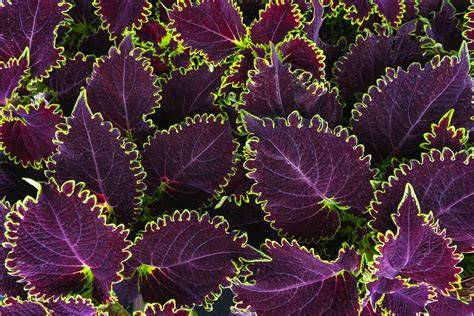
How To Propagate Philodendron Melanochrysum
tags: #philodendron #variegated #melanochrysum