Kalanchoe blossfeldiana, commonly known as Kalanchoe, Flowering Kalanchoe, Florist Kalanchoe, or Flaming Katy, is a popular indoor plant prized for long-lasting blooms and easy care. This guide compiles practical care details for growing kalanchoes both indoors and outdoors, drawing on real-world experiences and reliable tips to help you enjoy vibrant color year-round.
Overview and varieties
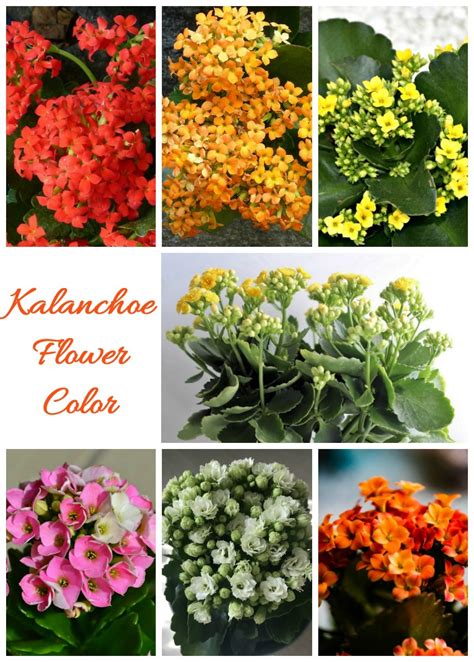
Kalanchoes bloom almost all year round in suitable indoor conditions and mild climates, bringing bright reds, oranges, pinks, whites, and bi-color varieties into homes and offices. A Calandiva, a cultivar of the Flowering Kalanchoe, is noted for its rosebud flowers and abundant blooms, sharing the same care requirements as other kalanchoes.
Light requirements
Provide bright indirect light, as much as possible without placing the plant in direct, hot sun. A south- or west-facing window is often too intense; extremely bright light can burn the leaves. In outdoor setups, a bright shade location is ideal, with only one or two hours of direct sun in summer to prevent scorch.
Water and soil
As succulents, kalanchoes prefer to dry out between waterings. Water thoroughly but infrequently, typically once a week during the growing season for outdoor specimens and every two weeks indoors in warmer months, adjusting for pot size and environment. Ensure a well-draining soil mix to avoid root rot: a half potting soil and half Succulent and Cactus Mix blend is effective, and pots should have drainage holes to let excess water escape. Remove any wrapping that can trap moisture near the soil when watering to prevent excess moisture buildup at the root zone.
Soil and potting tips
Use a soil mix formulated for houseplants with good drainage, or a 50/50 mix of ordinary potting soil and Succulent and Cactus Mix. The plant appreciates well-drained conditions, especially in pots with drainage holes. For Calandiva or other varieties, the same soil principles apply.
Temperature and environment
Kalanchoes thrive in comfortable home temperatures. They can enjoy a summer outdoor spell in warmer climates if relocated carefully. When indoors, avoid extreme temperature fluctuations and drafts that can stress plants.
Fertilizer
Fertilizing is optional but can promote growth and blooms. If used, apply a balanced liquid fertilizer sparingly-about two applications per year, once in mid-spring and once in mid-summer. For those preferring organic options, worm castings can be used at planting with additional top-dressings in spring; seaweed extract can be watered in a couple of times during warmer months.
Pests
Watch for mealybugs, aphids, and scale. Mealybugs leave behind a cottony residue and can be a common issue; inspect undersides of leaves regularly and treat promptly if detected. Healthy cultural practices often minimize pest pressure.
Pruning and shaping
Prune by removing spent flowers, cutting back to the point where the stems meet the foliage. The long-lasting flowers often keep the plant looking neat, and light pruning maintains a fuller shape and better bloom display. Dense foliage can shade blooms, so light pruning to reveal flowering stems can help.
Getting kalanchoes to rebloom indoors
- Kalanchoes are photoperiodic and require a period of long darkness to initiate reblooming.
- From winter onward, place the plant in a closet or a pitch-black room for 12-14 hours each night for about two months; maintain minimal watering during this dark period.
- After the dark period, return to brighter conditions and resume watering, reducing as needed to avoid overwatering.
Kalanchoe care as houseplants
Indoors, give a small kalanchoe ample bright indirect light-ideally near a bright window but not directly in hot sun. Water roughly every two weeks in warm months, and ensure the soil dries between waterings. Avoid prolonged moisture on the foliage to prevent mildew. Use a well-draining soil mix and a pot with drainage holes. A 4" pot is a common size for compact houseplant kalanchoes.
Flower colors and appearance
Kalanchoes offer vibrant colors such as red, orange, pink, and white, with bi-color options available. The blooms are long-lasting and the dark green, glossy leaves provide a striking contrast. The blooms can brighten both garden spaces and indoor rooms, making them a versatile decorative plant.
Practical notes from experienced growers emphasize care practices that support sustained bloom and healthy foliage, including modest watering, appropriate light, and proper soil. In outdoor settings in mild climates, kalanchoes can perform year-round with minimal intervention, while indoors they reward attentive light and water management.
Care video and guides
KALANCHOE Plant Care | How to, Tips, Tricks, and Hacks
Video guides illustrate light and watering practices, pruning, and rebloom strategies, reinforcing the hands-on tips described above. A typical guide covers Light Requirements, Watering, Soil, Temperature, Fertilizer, Pests, Pruning, and Getting Rebloom.
Practical care tips summary
- Bright indirect light; avoid hot direct sun.
- Water thoroughly when the soil is dry; do not let pots sit in water.
- Use well-draining soil and pots with drainage holes.
- Keep in a comfortable indoor temperature; consider outdoor summer placement in suitable climates.
- Fertilize lightly or not at all, depending on growth needs and preferences.
- Monitor for mealybugs, aphids, and scale; treat promptly if detected.
- Prune spent blooms to encourage a neater appearance and better rebloom potential.
- To rebloom indoors, provide 12-14 hours of darkness nightly for about two months, then resume normal care.
Tables and practical care sheet
| Aspect | Indoor care | Outdoor considerations |
|---|---|---|
| Light | Bright indirect light | Bright shade with limited direct sun |
| Water | Every two weeks in warm months | Once a week during growing season; allow soil to dry |
| Soil | Well-draining potting mix | Well-draining garden soil or container mix |
| Temperature | Comfortable home ranges | Moderate climates; avoid frost |
| Fertilizer | Optional; light with balanced fertilizer | Same as indoor, seasonal |
| Pests | Watch for mealybugs, aphids | Same; monitor after outdoor exposure |