Philodendron is one of the most popular genuses of Aroid that are currently in cultivation, with over 450 named cultivars. The name Philodendron comes from the greek words "philo" (love or affection) and "dendron" (tree). For the most part, Philodendron are easy to care for. Sizing information: Plants are living organisms, so each one is unique and may vary slightly in size, fullness, color, and maturity depending on the season, growing conditions, and current availability.
Overview of Philodendron Dean McDowell
Philodendron Dean McDowell is part of the larger Philodendron genus, which varies greatly in natural habits, but you will find a large number of them located in Latin America. Their leaves range from small to medium to large to gigantic, with some varieties showing smooth, glossy foliage and others with velvety textures. If you allow Philodendron to climb, their foliage will usually get much larger the higher up they get, though this is not true for all species.
Light and Positioning
Place Dean McDowell in bright, indirect light for best growth. Direct sun can scorch leaves, while too little light slows growth and reduces variegation or vibrancy. A west or east-facing window is often ideal, or bright filtered light indoors.
Watering and Humidity
Water when the top inch of the soil feels dry to the touch. Avoid letting the plant sit in water to prevent root rot. Dean McDowell appreciates higher humidity; regular misting or a pebble tray can help, especially in dry indoor environments.
Soil and Potting
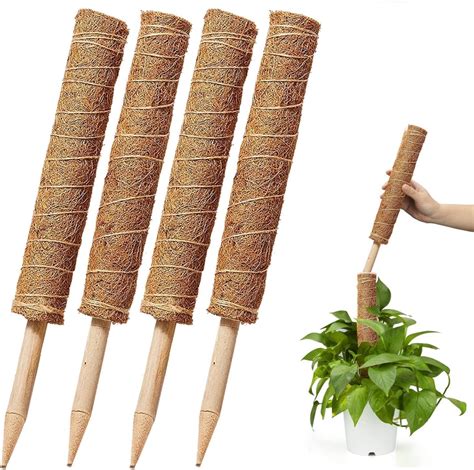
Use a well-draining aroid mix that retains some moisture but drains well. A coco pole is recommended to really get your Philodendron growing, especially if you want the plant to climb and achieve larger foliage higher up.
Support and Training
For climbing growth, provide a coco pole or trellis. Training the plant to climb encourages larger leaves and a more compact, upright habit. If kept as a trailing plant, ensure a roomy pot with adequate drainage.
Fertilization
Feed with a balanced, diluted fertilizer every 4-6 weeks during the active growing season (spring through summer). Reduce or pause feeding in fall and winter when growth naturally slows.
Pruning and Maintenance
Prune to control size or encourage bushier growth. Remove any yellowed or damaged leaves to maintain vigor and reduce the risk of pests.
Propagation
Dean McDowell can be propagated via stem cuttings. Take cuttings with at least one node and a couple of leaves, then root in clean growing medium or water until roots form. Transplant into well-draining soil once roots are established.
Common Issues and Troubleshooting
Brown tip or edge may indicate low humidity or inconsistent watering. Wilting can signal underwatering or root problems. Pest pressures like spider mites or mealybugs can occur; treat promptly with appropriate horticultural oils or insecticidal soaps.
Seasonal Care Considerations
Seasonal variations affect size, color, and maturity. Individual plants may vary in fullness and color depending on growing conditions and availability. Regular observation helps tailor care to each plant’s needs.
- Lighting: bright, indirect light
- Water: when top inch dries
- Humidity: moderate to high
- Support: coco pole for climbing
- Feeding: monthly in growing season
- Prepare a well-draining mix suitable for aroids.
- Provide a coco pole and train the plant to climb.
- Monitor moisture and humidity regularly.
In sum, Philodendron Dean McDowell thrives with bright, indirect light, consistent moisture (not soggy), and support for climbing growth. With attentive care, this cultivar can develop impressive foliage sizes and a healthy, vigorous habit.
🌱 How I Grew My Philodendron Mcdowell 😮 My Experience
tags: #philodendron #dean #mcdowell