The lemon cypress tree, also known as Cupressus macrocarpa 'Goldcrest', is a delightful houseplant that adds a fresh, citrusy fragrance and a vibrant pop of green to your home. With its delicate, feathery foliage and pyramid shape, it’s a perfect plant for decorating small spaces or adding holiday charm. While it’s low-maintenance, the lemon cypress does require specific care to thrive indoors.
Light and placement
Lemon cypress trees love bright light! Place them near a sunny window where they can soak up plenty of natural light. They need at least 6-8 hours of sunlight daily to maintain their vibrant green color and compact growth. Indoors, choose a spot close to a window that provides good sunlight for the strongest color and healthy growth. Avoid west-facing windows with excessive afternoon sun unless you gradually acclimate the plant.
Watering and soil
Unlike some houseplants, lemon cypress trees prefer consistently moist-but not soggy-soil. Water your plant thoroughly when the top inch of soil feels dry to the touch. Tip: Use room-temperature water to avoid shocking the roots. Watering is essential for lemon cypress houseplant care; water drenching once a week is often sufficient, and avoid letting the soil dry out completely. Waterlogged soil can cause root rot, so ensure good drainage.
Plant your lemon cypress in well-draining soil, such as a mix designed for houseplants or a combination of potting soil and sand. If you transplant, use a fast-draining soil mix and provide a container with drainage holes.
Temperature and humidity
Lemon cypress trees thrive in cooler indoor temperatures, ideally between 50°F and 70°F (10°C to 21°C). They don’t require high humidity, but misting the foliage occasionally helps if your home has particularly dry air, especially during winter months.
Soil, feeding, and care routine
Choose a soil that is well-draining and lean. For long-term growth, repot every 2-3 years into a slightly larger pot with drainage holes. In spring and summer, feed with a balanced liquid fertilizer diluted to half strength once a month to support steady growth.
Pruning and shaping
The lemon cypress is naturally compact and conical, so it doesn’t require much pruning. However, if you’d like to shape it or control its size, you can lightly trim the tips of the branches in early spring or late summer. Topiary care: your lemon cypress topiary is supported and kept upright by a small stake; check ties occasionally and refasten if they constrict the trunk. Light shearing can help maintain a formal cone or hedge, but avoid cutting deeply into bare interior stems.
Repotting and container suggestions
Repot your lemon cypress every 2-3 years, or when it outgrows its current container. Choose a pot that’s one size larger and ensure it has drainage holes. Space is important indoors, so select a container large enough to support planned growth while allowing for good drainage.
Propagation
To propagate, select a healthy, non-flowering stem from the plant and cut a 4-6 inch section just below a leaf node using clean, sharp scissors or pruning shears. Remove the lower leaves from the cutting, leaving a few sets of leaves at the top. Dip the cut end in rooting hormone to encourage root growth, then plant the cutting in a well-draining potting mix, such as a mixture of perlite and peat. Place the pot in a warm, bright location with indirect light, and keep the soil moist but not soggy. To maintain humidity and encourage rooting, cover the cutting with a clear plastic bag or a propagator lid.
Indoor care summary
- Light: 6-8 hours of direct sun daily; near a bright window.
- Water: Water when the top 1" of soil is dry; avoid soggy soil.
- Temperature: 50°F-70°F (10°C-21°C); cooler is better for color.
- Humidity: Not required, but mist occasionally in dry homes.
- Soil: Well-draining, houseplant mix or potting soil with sand.
- Fertilizer: Balanced liquid fertilizer half-strength, once a month in spring/summer.
- Pruning: Light trimming in spring or late summer for shaping.
- Repotting: Every 2-3 years or when rootbound.
Common issues and troubleshooting
- Brown tips: Often due to underwatering, low humidity, or heat exposure; adjust watering and humidity.
- Yellowing foliage: Usually from overwatering or poor drainage leading to root rot; ensure drainage and allow soil to dry slightly between waterings.
- Pests: Generally pest-resistant, but spider mites or aphids can occur; inspect regularly and treat accordingly.
- Toxicity: No, Lemon Cypress is not considered pet safe. The plant contains compounds that can be toxic to cats, dogs, and other pets if ingested; keep out of reach and monitor curious animals.
Indoor aesthetics and holiday use
The lemon cypress tree is a showstopper as a houseplant. Its bright green foliage and citrus scent make it perfect for year-round indoor decor. During the holidays, decorate it with mini ornaments or fairy lights for a festive touch. The cultivar Goldcrest Wilma is a dwarf form that maintains a tight, conical shape, making it ideal for small spaces and container gardens.
About the Goldcrest Wilma and growth comparison
The lemon cypress, also called Goldcrest after its cultivar, is a variety of Monterey cypress. It gets its common name from the powerful lemon scent that its branches exude if you brush against them or crush their foliage. The dwarf lemon cypress (Cupressus macrocarpa 'Goldcrest Wilma') is the better choice for a houseplant, usually not growing taller than 3 feet (91 cm), with fine-textured juvenile foliage forming a tight, tapered shape. Mature growth is yellow-green and less feathery than juvenile growth.
Outdoor considerations and hardiness
In outdoor settings, lemon cypress trees thrive in USDA zones 7-10 and cannot survive deep shade. If growing outdoors, plant in a sunny spot with well-drained soil and protect from harsh winds. They can be transplanted to the garden in warm climates, provided they have full sun and protection from severe cold. When kept in pots, they may need daily watering in hot conditions; indoors, ensure a stable light source and avoid sudden temperature fluctuations.
Combining with other plants
In sunny, well-drained beds, Wilma Goldcrest Lemon Cypress pairs well with lavender, sea thrift, yarrow, and hens & chicks. In containers, choose a large pot with good drainage and pair with complementary texture and color to emphasize the lemony scent and compact form.
Note: Sign up for expert gardening tips and seasonal guidance to optimize plant care and timing for shipping or outdoor use. Some plant availability and shipping details may vary by season and region.
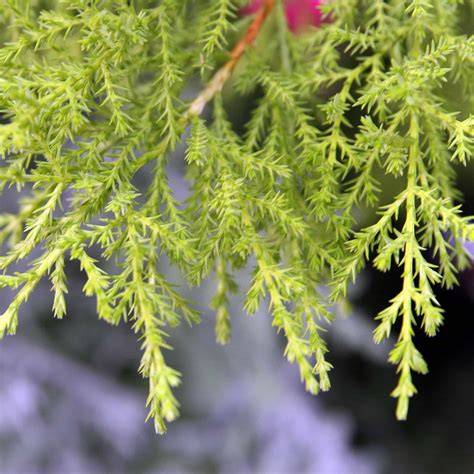
Plant Profile - Lemon Scented Goldcrest
tags: #lemon #cypress #cupressus #macrocarpa #goldcrest #wilma