Mulch for plants plays a pivotal role in whether your garden thrives. Mulch helps keep soil moist, controls weeds, and adds beauty to your garden beds. The right mulch can make a big difference in how your garden grows.
Mulch is any material spread over an outdoor surface to cover soil. Mulch is used to help retain soil moisture, suppress weeds, and improve the look of your garden. There are two main types of mulch: organic and inorganic. Organic mulches break down over time, feeding the soil, while inorganic mulches are durable but do not contribute organic matter to the soil.
What mulch does for different garden needs
Clay soil holds water but can get compacted, while sandy soil drains quickly. Permeable garden mulch reduces soil water losses, suppresses weeds, and protects against temperature extremes, especially in places where it snows. Organic mulches decompose over time and improve soil aeration, structure, and drainage, enhancing nutrient holding capacity.
For flower beds, natural hardwood mulch and hemlock mulch are popular choices that blend well with ornamental plantings. For vegetable gardens, organic mulches like shredded bark or composted mulch are often best, as they feed the soil while helping with weed suppression and moisture retention.
The best mulch should fit your plants, soil, and garden goals. Whether you want healthier vegetables, colorful flower beds, or easy weed control, the right mulch can meet those needs.
Organic vs. inorganic mulches: strengths, weaknesses, and typical uses
Organic mulches such as tree bark, leaves, pine needles, and compost break down over time, feeding the soil and improving soil biology as they decompose. They are ideal when plant health and long-term soil enrichment are priorities.
Inorganic mulches include plastic sheeting, rubber chips, rocks, gravel, shells, and landscape fabrics. They tend to last longer and can provide excellent weed control, but they do not add nutrients to the soil.
Mulch choices must consider local conditions. Different California native plants prefer different mulches; some may require decomposed granite or gravel, while others die if mulched with rock. Always tailor mulch to your specific plant community.
Mulch materials: what to choose and why
Pine needles (pine straw) are lightweight, naturally acidic as they break down, and excellent for acid-loving plants. They tend to stay put on slopes and are renewable, though they break down more slowly and age to a silver-grey color. Pine bark nuggets are long-lasting, enrich soil as they break down, but can be washed away by moving water in heavy rains. Shredded hardwood mulch breaks down more quickly than bark nuggets, may raise soil pH, and can compact over time, potentially limiting water and nutrient reach.
Colored wood mulches are common for aesthetic reasons, but ensure they come from raw lumber rather than recycled wood to avoid contaminants. Avoid piling mulch directly against trunks or stems to prevent rot; aim for a 2-3 inch layer around established plants and about 1 inch for seedlings or small vegetables.
Compost and manure can be used as mulch and improve soil structure and nutrient holding capacity, but they do not suppress weeds as effectively as wood or needle mulches. If using your own compost, avoid materials that contain herbicides. Leaf mold is excellent for moisture retention and soil nutrition but is not commonly sold, so it may require homemade production.
Leaf litter and fallen leaves can provide mulch benefits, enriching the soil as they decompose, but they should be left in place in many cases to continue feeding the soil. Straw is light and retains moisture well, making it suitable for vegetable beds and early-season protection, but it can harbor seeds and pests.
Rock or stone mulches are durable and long-lasting but do not add nutrients or significantly improve soil moisture retention. They are best used for pathways, dry creek beds, or under downspouts, and typically require landscape fabric to prevent sinking and weed growth.
Practical guidelines for choosing and applying mulch
Mulch depth is important: two to three inches is a general recommendation for established plantings, with up to four inches around larger trees if needed. Do not exceed common recommendations to avoid suffocating roots or creating a moist environment that attracts pests. When applying mulch around trees, avoid volcano mulching; keep mulch away from the trunk to prevent rot and rodent habitat.
Mulching should be done with a plan for regular replenishment: organic mulches settle and decompose over time, so top off as needed rather than completely replacing the mulch. In coastal or hot climates, mulches that conserve moisture and insulate roots are especially valuable.
Mulching twice a year is a common practice for many landscapes-early spring and late fall-though schedules should be flexible to adapt to local weather. The right mulch also depends on the garden’s design and maintenance goals; inorganic mulches can offer durability, while organic mulches support soil biology and long-term health.
Before choosing mulch, consider its impact on soil pH, particularly for acid-loving plants. Hardwood mulches can gradually raise soil pH as they decompose, which may necessitate adjustments for plants that prefer acidic soils.
Tips from gardeners and industry practitioners
Mulch is a foundation for weed control and moisture retention, but it is also a key component of landscape management for its aesthetic and practical benefits. Mulching isn’t just about appearance; it’s a practical step to reduce maintenance costs, fertilize soil over time, and create a cohesive landscape design.
When planning mulch applications for large projects, consider line-item budgeting in landscape service agreements to manage ordering, installation, and replenishment cycles. Depth, frequency, and material type should be clearly defined to optimize results and costs.
The right mulch matches your climate, soil type, plant needs, and landscape goals. For example, pine straw is great for certain residential and natural settings, while hardwood mulches are favored for more formal or heavy-traffic areas.
Finally, avoid materials that do not offer benefits to your soil, such as shredded tires or dyed chemicals that can release toxins or become a long-term environmental concern.
How to estimate mulch needs
To estimate the amount of mulch you need, calculate your area in square feet, determine the desired depth in inches, and then convert to cubic yards. A useful rule of thumb is that one cubic yard covers about 324 square feet at 1 inch deep or 108 square feet at 3 inches deep.
For plants and trees, maintain approximately a 2- to 3-inch layer around established plants and a 1-inch layer around seedlings or small vegetables and herbs. Organic mulches will settle over time, so plan to refresh rather than fully replace to avoid damaging shallow roots.
Common mistakes to avoid
Avoid piling mulch against trunks (volcano mulching) or using large, chunky bark around young trees, as these practices increase the risk of rot and pest habitat. Do not use petrochemical weed barriers on their own; they can limit soil biology and create maintenance challenges. Avoid using plastic sheeting or weed cloth as a sole mulch under organic mulches.
Beware of materials that don’t make good mulch: old tires, dyed rubber, and other non-decomposing substances can heat up the soil or release contaminants. Always select mulches appropriate for food-producing beds if you grow vegetables or herbs.
Choosing mulch for specific garden types
Flower beds benefit from natural hardwood or hemlock mulches, which keep the soil cool in summer and help maintain a stable root zone. Vegetable gardens often benefit from organic mulches like shredded bark or composted mulch that offer soil enrichment while controlling weeds.
In dry or hot climates, mulches that reduce evaporation and regulate soil temperatures are especially valuable, while in cooler climates, mulches that insulate the soil help roots stay active in colder periods.
Regardless of the type, a well-chosen mulch supports plant health, reduces maintenance, and enhances curb appeal, making it a fundamental investment for gardeners and property managers alike.
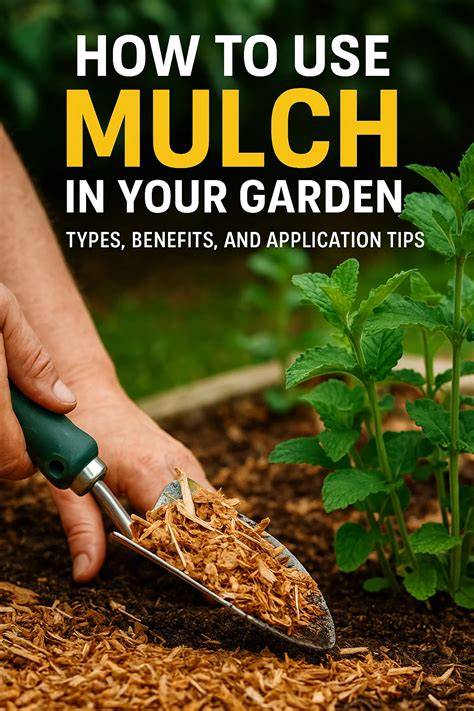
What Are The Benefits Of Using Mulch In The Garden
Okay, there are many mulches to choose from. Which is the right kind? How much? Do I need to cover all bare soil? Mulch choices are infinite. Literally anything can be packaged and labeled mulch. Wood mulches are great for pathways and under trees and shrubs. They suppress weeds, hold water in the soil and keep it cool during the heat of the day and warm during the chilly nights. They also break down slowly and add organic matter to the soil, though they are carbon heavy and can remove nitrogen from the topsoil as they decompose, which can affect shallow-rooted annuals.
In summary, mulch is Florida-Friendly, an essential tool for weed-control and moisture conservation, and a beautiful finishing touch to landscape design. The best mulch for your landscape depends on your plants, soil, climate, maintenance capacity, and aesthetic preferences.