Did you bring home an amaryllis bulb for the holidays-or receive one as a festive gift? You’re in good company. These bold winter bloomers have become a seasonal favorite, brightening windowsills long before spring arrives. But once those dazzling flowers fade, many people are left wondering what comes next.
Good news: your amaryllis is far from finished. With the right care through winter, spring, and summer, it can rebloom beautifully year after year. Whether you’re just potting up a holiday bulb or planning ahead for its post-bloom life, here’s how to keep your amaryllis healthy, happy, and ready for its next spectacular show.
About Amaryllis
Like daffodils or tulips, the amaryllis plant starts out as a bulb-often sold as part of a kit containing the bulb, a heavy pot, and some growing medium (ideally, a sterile, soilless potting mix). They are naturally spring-blooming bulbs, producing flowers at some point between late winter and mid-spring (February to April in the Northern Hemisphere). However, amaryllis are commonly forced to bloom earlier in winter, in time for the winter holidays. After the flowers die back, the plant’s large leaves soak up sunlight for the rest of spring and summer, providing them with the energy they’ll need to bloom again in the following spring. With the arrival of autumn, the leaves die back, and the bulb goes dormant until later winter when the blooming process begins anew.
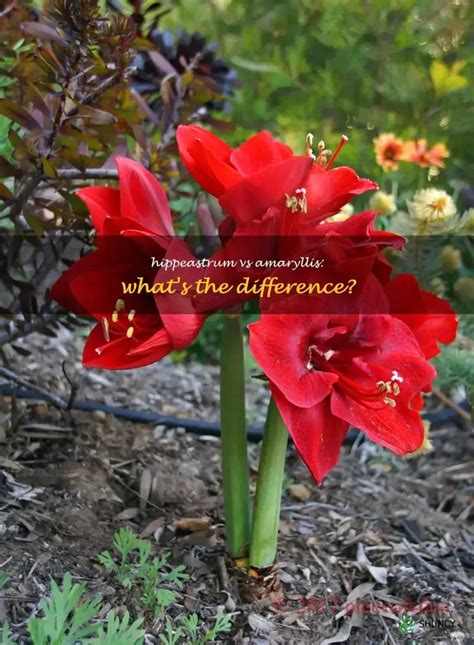
Amaryllis … or Not? Historically, there has been some confusion regarding the name of this plant. Most amaryllis varieties grown today are hybrids and are not true amaryllis; they are instead part of the genus Hippeastrum, which is native to tropical parts of South America, from the Andes to Brazil. True amaryllis-members of the genus Amaryllis-are native to South Africa and are also known as belladonna lilies (despite not being true lilies).
Buying Amaryllis Bulbs
When shopping for amaryllis bulbs, you can buy boxed kits that contain a bulb, a pot, and growing medium. These make a nice gift, though there are typically not a lot of color choices-generally you’ll find red, pink, and white. The flowers are usually on the smaller side, though should bloom beautifully if you follow directions. Some garden centers offer larger bare bulbs that give you more choices of color and larger sizes; each one usually produces two or more flower spikes. Each spike will produce two to four large, trumpet-shaped blossoms.
Amaryllis bulbs are classified by size, which is determined by measuring around the outside of the bulb at its widest point. Generally, the larger the bulb, the more flowers the plant is capable of producing. Another good reason for choosing a bare bulb is that you can see the condition of the bulb without having to rummage around in a box. Ensure it is heavy and firm-not injured, moldy, or squishy. It should have at least a few fairly long fleshy roots attached, too.
How to Plant Amaryllis Bulbs
If you can’t put the bulb in a pot right away, store it in a cool, dry, dark place until you can. Amaryllis bulbs may not bloom if they are in too large a pot. There should be no more than 1 inch of space on each side of the bulb, and 1/3 of the bulb should be above the potting mix line. They prefer to be a bit cramped (pot-bound).
Use a well-draining potting mix. Before planting, soak the bulb’s roots in lukewarm water for a few hours to rehydrate them. Put a layer of growing medium in the bottom of the pot and position the bulb so the top sticks up above the rim of the pot. Firm the media around the edge, exposing the top third of the bulb. If planted too deeply, the bulb may rot.
Place the pot in a bright spot and water, but be wary of overwatering. Allow the soil to dry a bit between waterings. Expect beautiful, lily-like blooms in 6 to 8 weeks. Tip: For a continuous display, start a few bulbs at two-week intervals.
How to Care for Amaryllis Bulbs
Display amaryllis away from drafts and in a bright room, but not in direct light. Amaryllis plants prefer temperatures in the range of 60° to 70°F (15.5° to 21°C). Keep them away from freezing windows and radiators. Water sparingly. Only water when the top inch of potting mix is dry, taking care not to get water on the neck of the bulb. To promote blooming, use a houseplant fertilizer with high phosphorus content.
When the flower stalk appears, move the amaryllis into brighter light. Turn the pot every several days for even lighting and to prevent leaning. If the stalk starts to lean, you can stake it, taking care not to disturb the bulb. Amaryllis flowers tend to be top-heavy, so stake proactively. Once your amaryllis is blooming, you can move it to a cooler location out of direct light to make the blossoms last longer.
After the flowers have faded, prune them to prevent seed formation. Cut them at the top of the bulb. Grow the amaryllis as a foliage plant through the spring and summer until the leaves turn yellow. Then, store the potted bulb on its side in a cool, dark room or basement to rest for 8 to 10 weeks. See more post-bloom tips below.
How to Care for Amaryllis After Flowering
One of the most frequently asked questions after the holidays is, “Now that my amaryllis has finished flowering, how can I get it to bloom again?” Those bulbs can take center stage again next Christmas if given proper care! After blossoming, the bulb must grow and store food for the next season’s bloom. Often, the bulbs actually shrink in size from the stress of blooming and will need time to recover lost nutrients.
Once the blossoms have faded, cut off the flower stalk, but keep the leaves growing by placing the pot in a warm, sunny spot. Water regularly and fertilize weekly with a balanced houseplant fertilizer. This is when next year’s buds are formed within the bulb. It takes a minimum of four leaves to produce one flower stalk because the buds form in the axils of every fourth bulb scale. Keep the plant growing all summer long; you can even move it outside for the summer. Bring it in at the end of August and cut off the watering. Let it dry out to induce a period of dormancy. Put the pot in a cool (around 50°F), dark place. Pull off any dried-up leaves.
To induce flowering in time for Christmas, bring the plant into a warm location with bright indirect light and resume watering in early to mid-November. We would recommend repotting at this time to give the bulb better growing medium. Or, scrape off the top 2 inches of loose growing medium on top and replace it with fresh media. In 6 to 8 weeks, the amaryllis should be in full bloom again.
What About Waxed Amaryllis Bulbs?
Waxed bulbs are intended for single use. They have all they need to bloom, and after that, they are meant to be discarded. However, you can and should remove blooms on a stalk once they have faded. Also, if a flower stalk itself is fading, often one or two more will start to grow; if desired, you can cut off the fading flower stalk to encourage more growth. (Leave any leaves, though.) Once flowering is complete, instead of discarding the bulb, you can try to gently remove the wax (avoid disturbing the brown outer layer of the bulb as best you can). Sometimes, the bulb will have plastic wrap underneath the wax, and/or a wire base inserted into the bottom of the bulb; if so, then you want to carefully remove these also. Then, plant the bulb in a pot (not too large-about 1 to 2 inches wider than the bulb, with drainage holes) filled with potting mix and set in bright indirect light in a warm area; water sparingly. Make sure that the top 1/3 of the bulb sticks above the growing medium.
Amaryllis is a bulbous plant with several distinctive traits. It is the only genus in its subtribe Amaryllidinae, and each bulb produces one or two leafless, stout, persistent and erect stems topped with a cluster of funnel-shaped flowers. The usual color is white with crimson veins, but pink or purple also occur naturally. The hybrids and related crosses have created a wide range of flower sizes, shapes, and colors, making amaryllis a versatile garden subject indoors and outdoors in suitable climates.
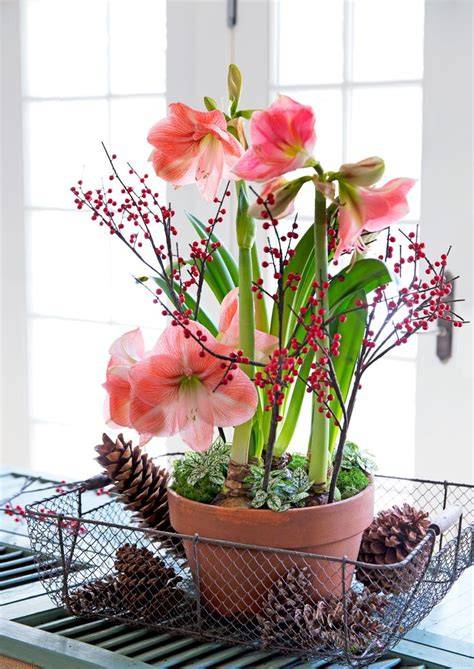
Why My Amaryllis isn't Blooming - Top 3 Reasons & ReBlooming Tips
In regions where Amaryllis belladonna is native, these plants have a long cultural history and are known by many common names such as belladonna lily, naked lady, and March lily, reflecting their flowering habits and regional traditions. Although often confused with Hippeastrum hybrids, true Amaryllis bells are distinct and native to South Africa, contributing to a rich botanical backdrop for gardeners and plant lovers alike.
Whether you grow from a boxed holiday kit or a bare bulb, the key to a perennial amaryllis display is consistent, seasonal care: bright light, balanced moisture, and a gentle schedule of feeding and rest. With attention to dormancy and re-watering cycles, your amaryllis can rebloom year after year, providing festive color once more in the next season.