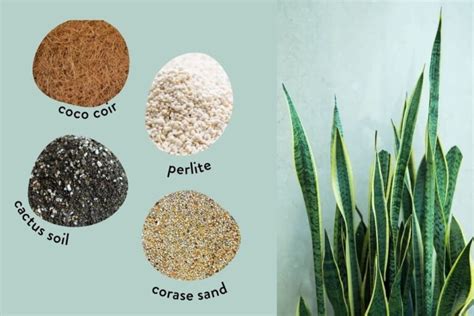
Snake plants (Dracaena trifasciata) have long been a staple for many houseplant collectors. They're easy to maintain, add impressive structure to plant displays, and have even been known to have air-cleaning qualities. When caring for your snake plant, it's imperative to grow it in the right potting mix. Likewise, it's key to use the right mix when repotting a snake plant. This consists of a growing medium that is well-draining and will prevent your plant suffering fungal diseases and rot.
While there are plenty of commercial houseplant mixes available, it's easy to make your own snake plant potting mix. Not only is it a fun DIY, but it allows you to include all the good ingredients that will help your snake plant thrive. Aside from planting up and repotting, you may also want to make your own snake plant potting mix if you notice your snake plant turning yellow. It's often a sign of improper moisture conditions, largely impacted by the soil type your plant is growing in. Try our easy and effective DIY snake plant potting mix recipe to improve your plant's growing conditions.
Key ingredients and their roles
- Coco coir - a water-retaining ingredient that helps provide your snake plant with sufficient moisture.
- Perlite - a draining agent to maintain healthy roots and prevent root rot.
- Orchid bark - a well-draining growing medium that adds porosity.
- Nutrient-rich compost - introduces nitrogen, potassium, and phosphorus for steady nutrition.
To boost essential nutrients, experts advise including compost or worm castings. Snake plants store water in their thick leaves and have large water reservoirs in their rhizomes, so the soil should drain freely and not cling to moisture. The goal is a mix that is open, airy, and a bit gritty to support quick drainage while still providing some hydration between waterings.
The basic DIY snake plant soil recipe
- Use coco coir to make up one third of the mix. It provides moisture retention without staying soggy.
- Add perlite to make up another third of the mix. This creates rapid drainage and air spaces for roots.
- Finish with a well-draining growing medium like orchid bark to complete the final third.
- Optionally mix in compost or worm castings to supply essential nutrients over time.
There are a few variations of ingredients you can use, but these are recommended by experts for a reliable, fast-draining result. For example, a succulent or cactus mix can be a good base since it emphasizes drainage and aeration, especially when supplemented with organic matter like compost.
As Lotte notes, the soil structure matters: well-draining soil means it drains excess water fast so the roots are not exposed to wet soil for long periods. A bark-rich mix supports ample drainage, while coco coir helps avoid completely drying out the roots. Compost or worm castings fill in nutrients that get depleted over time.
Variations and practical tips
- 2/3 potting soil + 1/3 perlite or pumice or clay pebbles to boost drainage.
- 2/3 potting soil + 1/3 coarse material (perlite, pumice, clay pebbles) for aeration.
- Alternate between high-quality potting soils formulated for indoor plants and add succulent/cactus mix components for texture and drainage.
A standard houseplant potting mix is a good starting point, but it’s often too dense for snake plant roots. Amending with coarser ingredients ensures water passes through quickly, preventing prolonged moisture around the roots and reducing rot risk. If you’re using bagged mix, add some coarser amendments to improve drainage and aeration.
How soil type affects watering needs
Soil type plays a decisive role in how water behaves around your plant’s roots. Loose, sandy blends drain rapidly, while peat-heavy mixes hold moisture longer. Clay soils can become waterlogged, and even loam may lack the necessary air channels. The aim is a mix with larger, coarser particles that sheds excess moisture within minutes while still offering enough hydration between waterings. The result is a light, fast-draining medium that mimics the plant’s natural dry environment.
Ready-made mixes and how to optimize them
Many ready-made blends can support healthy growth, but most benefit from a tweak to better suit snake plants. Succulent and cactus blends are often closest to ideal, combining potting mix with coarse materials like sand, perlite, or pumice. Orchid mix, when blended with standard potting soil and extra perlite, can create a chunkier, more open structure that holds a touch of moisture while letting excess water pass through.
If you prefer to buy, you can start with a cactus or succulent mix and adjust it with additional potting soil to achieve the right balance of drainage and nutrients. The key is a mix that remains open and drains quickly after watering, with plenty of air pockets to prevent rot.
How to make your own snake plant potting soil: a reliable blend
For a reliable blend, combine 1 part potting soil, ½ part compost or worm castings, 2 parts coarse sand, and ½ part perlite or pumice. This creates a loose, free-draining mix with larger particles for airflow and just enough organic matter to provide gentle nutrients.
If you prefer simpler ratios, you can try ⅔ potting soil with ⅓ clay pebbles, pumice, or perlite. Or start with a cactus or succulent mix and cut it with about 50 percent standard potting soil. The finished mix should be open and easy to distinguish its components; uniform, fine-textured soils tend to compact and slow drainage, increasing rot risk. Water should pass through quickly, leaving only a hint of moisture behind.
Repotting and aftercare
Snake plants do not require frequent repotting and often prefer to stay slightly pot-bound. When repotting, go up one pot size to give the roots space to grow, but avoid deep pots that retain more soil mass and water. Ensure the new pot has drainage holes. After repotting, place the plant in indirect light and avoid watering for 5-7 days to let the roots settle. Resume a normal watering schedule once acclimation occurs.
Root balls are resilient, and dividing snake plants is possible for larger specimens. The plant recovers quickly when provided with a fresh, well-draining mix and appropriate light conditions. If the roots become crowded, division can help spread growth and maintain plant vigor.
FAQ highlights
- What kind of soil do snake plants like? A chunky, well-draining mix that drains freely and doesn’t stay damp. Potting soil combined with succulent mix works well, with amendments like perlite or pumice to improve drainage.
- Can I use regular potting soil? Not on its own; it’s often too heavy and retains too much moisture. Add pumice, perlite, or pebbles to improve drainage.
- When should you repot? Generally every 4-6 years, or when the plant shows stress or pot-bound growth; however, some plants tolerate close roots well.
- Do snake plants like small pots? They can tolerate crowding and often prefer slightly tight pots, but larger pots are appreciated as they grow.
In essence, a well-draining, airy mix that includes components like coco coir, perlite, orchid bark, and optional compost or worm castings is ideal for snake plants. This combination supports quick drainage, adequate moisture between waterings, and steady nutrition, helping keep your snake plant healthy and vibrant.