Aphids are tiny, soft-bodied insects that suck sap from plants, and they are a common challenge for tomato growers. They can appear in various colors, including white, green, yellow, and pink, and they often cluster on the undersides of leaves or new growth. Aphids multiply quickly, and large populations can cause curling, yellowing, stunted growth, and the production of sticky honeydew that attracts sooty mold and ants.
What are aphids and how do they reproduce?
Aphids seem to find their way into every garden. They are small, soft-bodied insects that feed by sucking the nutrient-rich liquids out of plants. In large numbers, they can weaken plants significantly, harming flowers and fruit. Aphids multiply quickly, so getting them under control before reproduction starts is important. Many generations can multiply in one season.
Infestations generally result from small numbers of winged aphids that fly to the plant and find it to be a suitable host. They deposit several wingless young on the most tender tissue before moving on to find a new plant. The immature aphids or nymphs that are left behind feed on plant sap and increase gradually in size. They mature in 7 to 10 days and then are ready to produce live young. Usually, all of them are females, and each is capable of producing 40 to 60 offspring. The process is repeated several times, resulting in a tremendous population explosions. Less than a dozen aphid “colonizers” can produce hundreds to thousands of aphids on a plant in a few weeks.
Identifying aphids on tomato plants
Aphids are tiny (adults under 1/4 inch) and can be difficult to see without a close look. They come in white, black, brown, gray, yellow, light green, or pink, and some have a waxy or woolly coating. They have pear-shaped bodies with long antennae; nymphs resemble adults. Most species are wingless, but a winged form can appear when populations crowd or plant quality declines, allowing spread to new hosts.
Nymphs and adults feed on plant juices, attacking leaves, stems, buds, flowers, fruit, and roots depending on the species. They prefer succulent new growth. Look for misshapen, curling, stunted, or yellowing leaves, especially on the undersides where aphids like to hide. A sticky honeydew may indicate feeding activity, and honeydew can attract ants and promote sooty mold on leaves.
Direct and indirect damage you might notice
Aphids feed on sap and can cause leaf distortion, curling, and reduced growth. They can weaken plants and, in some cases, transmit plant viruses. The honeydew they excrete leads to sooty mold and can attract other pests. Ants are often present around aphid colonies because they feed on honeydew and protect aphids from natural enemies.
How to get rid of aphids on tomato plants
Try spraying infested plants with a strong stream of water to dislodge aphids. They often cannot re-establish on the same plant after a thorough blast. Wipe or spray leaves with a mild solution of water and a few drops of dish soap; repeat every 2-3 days for about 2 weeks. An optional variant is a dish soap solution with cayenne pepper: 1 quart water, 1 tsp dish soap, and a pinch of cayenne pepper.
Insecticidal soaps, neem oil, and horticultural oils are effective against aphids when they contact the insects. Apply according to label directions, thoroughly coating the undersides of leaves. Avoid applying to drought-stressed plants or in very hot conditions. Do not spray over the entire plant at once if you are using alcohol or soap mixes; test on a small area first and monitor for several days for adverse reactions.
Note: Alcohol-based sprays (isopropyl or ethanol) can kill aphids on contact but should be used with caution and never on a whole plant at once. Mix equal parts 70% or 95% alcohol with water, and spray only infested areas. Test first and avoid sunny, hot conditions.
Another approach is to use beneficial insects to suppress aphids, such as ladybugs, lacewings, and parasitoid wasps. However, introductions should be done with care and an understanding of local ecosystems, as released insects may leave. Encouraging natural predators through diverse flowering plants and watering can support biological control. Mist lady beetles with water before releasing them at dusk to help them settle on plants.
Companion planting can help manage aphids by drawing them away from tomatoes. For example, catnip repels aphids, while mustard and nasturtium can attract pests away from more valuable crops. Nasturtiums often act as trap crops for aphids, drawing them from tomatoes.
Other cultural controls include reducing nitrogen availability (over-fertilization can boost aphid reproduction), using reflective silver mulch to deter aphids on seedlings, and ensuring good soil health to strengthen plants against pests. Reflective mulches can also help reduce aphid-borne viruses by repelling or confusing aphids, while improving crop growth.
In cases of heavy infestation or when dealing with systemic issues, systemic insecticides like imidacloprid are available but should be used with caution due to potential negative impacts on beneficial insects and pollinators. When possible, rely on soaps and oils that act by smothering aphids and minimize the use of broad-spectrum pesticides that harm natural enemies.
For tomatoes, daily garden scouting is essential. Early detection makes control easier, and removing affected plant parts can help prevent spread. If you observe ants climbing your tomato plants, inspect nearby foliage and stems for aphids, as ants often farm honeydew-producing insects.
Integrated approach and preventive practices
Integrated Pest Management (IPM) combines biological, cultural, mechanical, and, when necessary, chemical controls to minimize environmental impact. Prevention routines include regular plant checks, removing heavily infested leaves or shoots, encouraging natural enemies, and providing habitats with flowers and water sources for beneficial insects. Introduce beneficials when aphid populations begin to rise, and avoid broad-spectrum pesticides that can disrupt ecological balances.
Healthy soil and stress-free plants are more resistant to aphid pressure. Interplanting with herbs and flowers can attract natural enemies, while birds such as hummingbirds can help suppress aphid populations. If you have indoor plants or greenhouses, biological control agents and careful monitoring are especially effective for maintaining low aphid levels.
Remember: aphids can be present on many plants, and most garden ecosystems support some level of aphid activity. Early action, careful identification, and respect for beneficial insects are key to keeping tomato plants healthy and productive throughout the season.
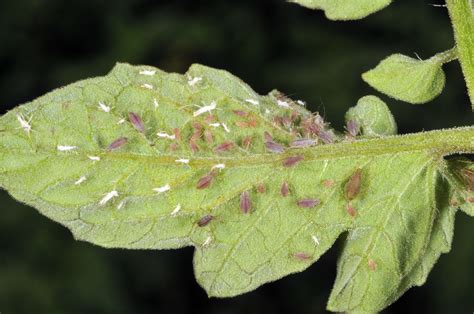
Identifying Aphids on Tomato Plants and Using Soapy Spray - The Rusted Garden 2013
To maximize clarity, consider a simple quick-reference plan: start with physical removal or water blasts, then apply soaps/oils if needed, and reserve systemic options for severe infestations on woody ornamentals or persistent problems. Maintain regular checks and refrain from unnecessary broad-spectrum pesticide use to protect beneficial species.
Sample quick-reference table: key aphid management options
| Method | When to Use | Notes |
|---|---|---|
| Water blast | Early infestations | Dislodges aphids; repeat as needed |
| Soapy water | Moderate populations | Reapply every 2-3 days for 2 weeks |
| Insecticidal soap/oil | Contact-active control | Follow label; thorough coverage; avoid heat stress |
| Neem oil | Last-resort or broad suppression | May affect pollinators; use carefully |
| Biological control | Ongoing IPM | Encourage/introduce natural enemies; avoid broad-spectrum insecticides |
| Reflective mulch | Seedlings/small plants | Repels aphids and reduces virus transmission |