Testing garden soil is the best way to determine what it needs-if anything-and how much. A variety of soil testing kits are available, but how reliable are they? Soil testers range from simple pH strips to complex kits that pinpoint deficiencies. Serious gardeners will want to reach for comprehensive tests. As Jon Traunfeld, director of the Home & Garden Information Center at University of Maryland, explains, “We recommend that gardeners have their soil tested by accredited soil testing labs, public or private. A basic test that measures soil pH, important soil nutrients, and organic matter costs $20 to $25.
For the average home gardener though, it can be easier to buy a soil test kit online, so that’s what we tested. To ensure accuracy, we compared product results to test results acquired from the Kansas State University soil testing lab. Our favorite product ended up being the MySoil Test Kit-it was easy to use and the results were simple to interpret, and most importantly of all, they were accurate. Top Choice: MySoil Test Kit.
Overview of tested kits and findings
Professional Lab Tests Recommended. Variety of Kits Tested. Importance of Soil Testing. The kits we tested had to be accurate and relatively simple to use to earn a spot on this lineup. Test kits and equipment vary by the type of test being performed, so some are better suited to home gardeners, while others appeal to commercial and agricultural growers. For professional results, check out the MySoil test kit, which allows gardeners to gather soil samples and have them professionally tested. With the MySoil kit, we registered online and followed detailed instructions, gathering a large amount of soil from various areas of the property, mixing it together well, and filling the provided testing cup with the soil blend. We were impressed with the comprehensive results. The lab listed the levels of existing nutrients, including nitrogen, potassium, sulfur, calcium, iron, and more, and then compared our soil’s levels with optimal levels, which were also listed for each nutrient.
The Soil Savvy soil test kit offers professional soil analysis and custom fertilizer recommendations. We were impressed by the accuracy of the test results-they were right in line with the K-State results, and we also received customized recommendations for amending my soil to make it healthier. Soil Savvy could have provided a better explanation of the results, however. We understand what nutrient ratios are, but a newbie gardener might benefit from further explanation of what the numbers mean. Garden Tutor’s test strips offer quick results in determining indoor or outdoor soil’s acid/alkaline content. We found the Garden Tutor soil pH test strips to accurately determine the pH levels in various parts of our flower garden. The simplest of all the kits we tested required mixing soil from a specific garden area with water and then dipping it in a pH test strip. We tested the soil in an area we knew had a lower pH, as we’ve added pH-lowering amendments for years. The Garden Tutor test strips determined that level to be 6.1, which sounded close and aligned with other pH tests we performed. One thing we wish the manufacturer would have included, however, was a moisture-absorbent pack with the strips. We used about 20 strips in our initial tests, and all were fine.
In addition to determining soil’s pH level, the Luster Leaf soil test kit pinpoints the amount of the three most common soil macronutrients: nitrogen, phosphorus, and potassium. When we first opened the Luster Leaf test kit case, we were surprised by the number of vials and bottles of solutions. It didn’t look very easy. After reading the instructions, we found it was actually pretty simple. Testing involved gathering soil, putting a tiny bit in a glass vial, adding a specific liquid and/or powder (depending on the test), and shaking the vial. The NPK results were close to the lab results. For an at-home test, we were pretty impressed. The downside? The manufacturer says the kit will perform 40 tests. We found that to be inaccurate.
The second Luster Leaf kit in the lineup tests for nitrogen, phosphorus, and potassium, but it takes some of the complexity out of testing using color-coded capsules. It also takes the guesswork out of matching the results with its easy-to-read digital display. We collected a soil sample, filled one of the four test tubes, and then added filtered water to the tube. We shook the soil and water solution, inserted a color-coded capsule in the vial, and shook again. This was the same test as the first Luster Leaf kit, but it was more user-friendly, and the color-coding made everything understandable. The digital reader gave me the results via a lit-up button. Unfortunately, the digital tester did not show how low or high a nutrient might have been, but we were able to look in the booklet and see optimal NPK levels for different plants, grasses, and flowers.
Hobby farmers and crop growers can receive an expert soil analysis with the Whitetail Institute’s Laboratory soil test kit. For testing, we once again used the same soil gathered from various spots, blended well, and sent the sample to Whitetail. When we filled out the form, they asked what we planned to grow in the soil. The nutrient test results were very close to those we obtained from the other labs and Kansas State University, but Whitetail only tested for four nutrients: phosphorus, potassium, calcium, and magnesium. We called the local extension agent and asked why. For commercial-scale growers, hydroponic growers, or gardeners who want the ultimate in precision pH testing, consider the Bluelab pH pen that provides highly accurate acid/alkaline results. The pen comes with a backlit LCD display and requires a AAA battery for operation. After calibrating the Bluelab pen, which involves putting it first in one solution and then the other and pushing the calibration button each time, we were able to test the pH and the temperature of the soil of our potted plants. We were surprised at the accuracy of this pen tester as it measured pH to a tenth of a degree and clearly displayed the number on the LED screen. The pH was close to what we had gotten in other tests, but this seemed to be the most accurate of all the tests.
What we learned about test types and accuracy
Our goal in testing the soil test kits was to determine how accurate each was, how easy they were to use, and how beneficial the results would be for our readers. The types of soil tests varied widely-from professional tests that required sending a soil sample to a lab to simple pH meters that determined a soil’s acid or alkaline level via a probe. Misti Mathis, co-owner of Harvest Gold Organics, which sells plant care products out of McKinney, Texas, offers some advice on how shoppers can decide between kits: “Ultimately, the best choice depends on your specific needs and budget. To help determine the effectiveness of individual lab tests, we also sent a soil sample to the agricultural department at Kansas State University, where they do high-end soil and plant testing.
Many gardeners and home landscapers buy fertilizer and soil amendment products that promise to produce robust plant growth, improve soil structure, or result in abundant blooms. Still, unless the products provide what the soil lacks, the results may not be what the gardener expected. In some cases-such as adding fertilizer to nutrient-dense soil-plants may even suffer from fertilizer burn. Soil quality varies from location to location. The soil in some regions might be perfect for growing vegetables and flowers, while the soil someplace else must be heavily amended with organic matter to grow anything.
Key soil types and their implications
- Silty soil-fine and soft; washes topsoil downstream; benefits from added organic matter.
- Loamy soil-optimal blend; drains well and resists compaction; ideal for most gardens.
- Clay soil-nutrient-rich but dense; roots struggle to push through when wet.
- Sandy soil-well-draining but less nutrient-dense; good for bulbs and root crops.
Several soil-testing products are available to determine the amounts of various nutrients and macronutrients in the soil. Among the most comprehensive tests are those that involve taking soil samples and sending them to a lab for analysis. Strips: A simple type of soil test, pH strips are coated bits of paper that determine the current acidity or alkalinity level of the soil. The gardener mixes soil with distilled water, using the recommended ratio on the package instructions. (Tap water can influence the pH readout.) After inserting the test strip in the solution, the resulting color of the strip lets the gardener know whether the soil in the garden is acidic or alkaline. Analog: These testers are commonly used to test soil for moisture content, pH levels, and some may even test the quantity of the light in specific locations. They feature aluminum probes to be inserted in the soil when taking readings. Digital: Like analog soil testers, digital soil testers often come with probes to insert in the ground to determine moisture content and pH levels. Chemical: At-home chemical soil tests require adding a drop or two of a specific chemical called a “reagent” to a soil sample. The reaction helps show the health of the soil. Professional: The most reliable of all soil tests, professional tests require the gardener to collect a soil sample. Testing kits and instruments commonly help pinpoint soil characteristics.
Macronutrients: The three most common macronutrients needed for healthy plant growth are nitrogen (N), phosphorus (P), and potassium (K). Every bag of fertilizer will list an NPK number that identifies the amount of each of these three nutrients. In general, all the NPK varieties perform similar functions. Acid or alkaline: The pH scale runs from 0 to 14, with 7 being neutral. Most garden plants prefer slightly acidic soil, between 6 and 7. Temperature: Testing soil temperature is much like testing human temperature; the tester has a thermometer that indicates how warm or cool the soil is. Light: Because plants need various amounts of light, a light meter can help determine whether a location will be optimal for a specific plant variety. Moisture: One of the most common soil tests is for moisture, and it’s used to determine whether the soil is draining well.
Soil test kits vary in accuracy, with professional lab tests ranking as the most accurate. The quality and composition of the soil may also vary from one end of the garden to the other based on the amount of light that a specific spot gets, whether leaves fall and decompose in one spot, or what types of plants were grown there in the past. Choosing the most accurate test or tester can prove challenging, but look for features such as large, easy-to-read gauges on analog testers and probes that are solidly attached. Chemical kits should offer multiple testing processes for double-checking results, and pH test strips will be most accurate before their expiration date. The quickest results come from tests that determine pH and moisture. At-home test kits and instruments can determine these two factors in mere seconds. Testing for other nutrients may take longer, especially if the soil has to be combined with water and then allowed to settle before performing a chemical test. Light and moisture meters can often determine results in a few minutes. The longest wait period comes when seeking professional laboratory results.
Test kits that feature pH strips and meters with probes are simple to use and self-explanatory for the most part, but the best soil test kits come with directions on how to handle the strips and the probes, in addition to offering information for understanding the relevance of the test results. Chemical test kits can be more complex, but they come with instructions on gathering soil samples, mixing them, and choosing the chemicals to use when conducting specific nutrient tests. The best soil test kit can help a gardener figure out the most beneficial fertilizers or amendments to add to a garden.
Q&A and practical guidance: Why do I need to test soil? If plants thrive, there’s no need to test. If plants wilt, die, or perform poorly, testing can reveal nutrient deficiencies or structural issues. Can I test my own soil? Absolutely. Many DIY testers exist, and sending a sample to a professional lab can yield the most accurate results. Are digital testers accurate? They are reasonably accurate, especially when multiple spots are tested. How do I adjust pH? Use pH-UP or pH-DOWN products or soil amendments like garden lime or bone meal. The big idea is to tailor amendments to what the soil lacks for the specific plants you want to grow.
Final considerations for choosing a kit
The best soil test kit depends on your needs, budget, and whether you prefer rapid at-home results or the precision of a professional lab report. For many home gardeners, a kit like MySoil offers a strong balance of usability, clear results, and accuracy, especially when compared to others that deliver reliable lab-style readings with actionable recommendations. For those who want deeper interpretation, look for kits that provide nutrient ratios, clear optimal ranges for common plants, and explicit guidance on how to amend soils to reach those targets.
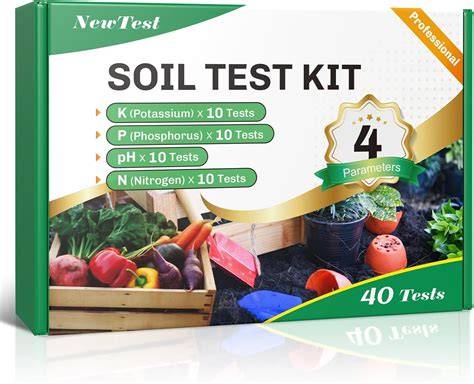
Soil Testing Explained
| Kit | What it tests | Pros | Cons |
|---|---|---|---|
| MySoil Test Kit | N, P, K, pH, organic matter | Easy to use, clear results, strong accuracy | Requires online registration |
| Soil Savvy | Professional analysis, custom fertilizer recommendations | High accuracy, personalized guidance | Explanations could be clearer for beginners |
| Garden Tutor strips | pH levels | Fast, simple | Limited to pH; moisture reader not included |
| Luster Leaf (NPK) | N, P, K | Relatively simple, good NPK readouts | Claims of 40 tests may be overstated |